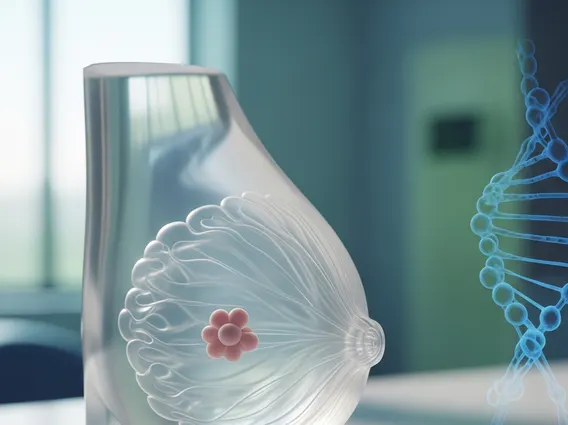
Autologous Tumor Cell
Autologous tumor cells represent a frontier in personalized cancer treatment, leveraging the body’s own immune system to fight malignancy. This approach involves utilizing a patient’s unique tumor cells to create a targeted therapeutic response.

Key Takeaways
- Autologous tumor cells are derived from a patient’s own tumor, making therapy highly personalized.
- They function by presenting specific tumor antigens to the immune system, stimulating a targeted anti-cancer response.
- Autologous tumor cell therapy aims to educate the immune system to recognize and destroy cancer cells.
- This treatment strategy holds promise for various cancers, with ongoing research continually refining its applications.
What is Autologous Tumor Cell?
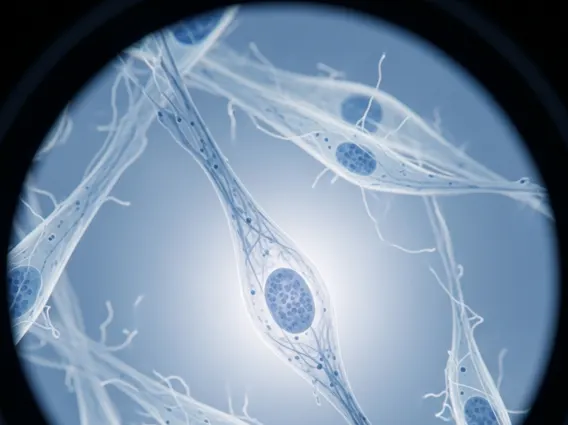
The concept of autologous tumor cells is central to personalized cancer treatment. These are cancer cells harvested directly from a patient’s own tumor, with “autologous” meaning they originate from the same individual, ensuring biological compatibility.
Definition and Origin
Autologous tumor cells are a patient’s own cancerous cells, collected during surgery or biopsy. Their unique origin means they carry specific genetic mutations and protein expressions characteristic of that individual’s cancer, crucial for precisely targeting the disease.
Key Characteristics
A primary characteristic is their ability to present unique tumor-associated antigens (TAAs), specific to the patient’s cancer. These TAAs act as molecular fingerprints, enabling the immune system to distinguish cancerous cells from healthy ones and elicit a robust, targeted immune response.
How Autologous Tumor Cells Work
Understanding how autologous tumor cells work reveals their therapeutic potential. The core principle involves using these cells to stimulate the patient’s immune system to recognize and attack their own cancer, akin to a personalized vaccination.
Mechanism of Action
The primary mechanism involves processing harvested tumor cells, often through irradiation or genetic modification, to enhance their immunogenicity. Reintroduced into the patient, these modified cells act as powerful antigen-presenting cells, displaying unique tumor antigens to immune cells like dendritic cells and T-lymphocytes, initiating a specific anti-tumor response.
Immune System Interaction
Upon encountering re-introduced autologous tumor cells, the patient’s immune system, particularly cytotoxic T-lymphocytes, becomes activated and “trained” to identify and destroy cancer cells. This interaction leads to the proliferation of tumor-specific T-cells and immunological memory, offering a potentially long-lasting defense against cancer and overcoming immune evasion.
Autologous Tumor Cell Therapy Explained
Autologous tumor cell therapy explained involves a multi-step process harnessing the body’s natural defenses against cancer, a personalized strategy offering potential for durable patient responses.
Clinical Applications
What is autologous tumor cell therapy in practice? It typically begins with surgical tumor removal. Harvested cells are processed in a laboratory, often modified to enhance immune stimulation, such as by fusing them with dendritic cells or engineering them to express immune-stimulating molecules. These prepared cells are then administered back to the patient, usually via injection. The goal is to stimulate the immune system to recognize and destroy residual cancer cells, potentially preventing recurrence. This approach has shown promise in clinical trials for various solid tumors, including melanoma and renal cell carcinoma.
Research and Future Directions
Significant autologous tumor cell research updates continually expand the understanding and application of this therapy. Current research focuses on improving tumor cell immunogenicity, optimizing delivery, and combining autologous tumor cell vaccines with other immunotherapies like checkpoint inhibitors for synergistic effects. Future directions include exploring its utility across more cancers, refining patient selection, and developing efficient manufacturing processes to enhance accessibility. The ultimate goal is to establish this therapy as a cornerstone of precision oncology.