Autoclave Resistant Factor
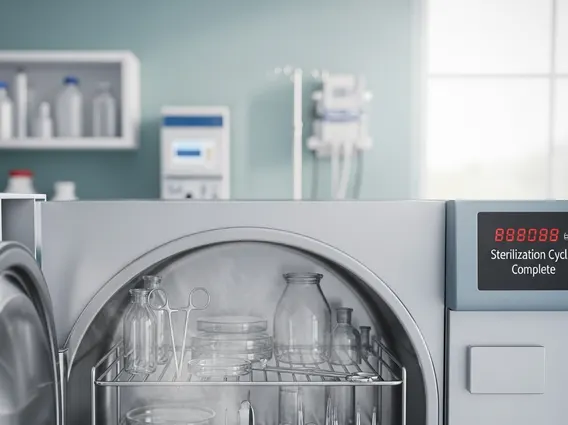
Autoclaving is a critical sterilization method in healthcare, laboratories, and various industries, relying on high-pressure steam to eliminate microorganisms. The concept of an Autoclave Resistant Factor is fundamental to ensuring that materials and equipment can withstand these harsh conditions while maintaining their integrity and functionality.
Key Takeaways
- The Autoclave Resistant Factor refers to the inherent properties and design elements that allow materials to endure high-pressure steam sterilization without degradation.
- Material composition, including polymer type, metal alloys, and glass properties, is a primary factor for autoclave resistance.
- The design and structural integrity of an item significantly impact its ability to withstand thermal and pressure stresses during autoclaving.
- Proper understanding autoclave resistant factors is crucial for selecting appropriate materials and ensuring effective, safe sterilization processes.
- Autoclave resistance meaning extends to the longevity and reliability of sterilized products, preventing premature failure or contamination.
What is Autoclave Resistant Factor?
The Autoclave Resistant Factor encompasses the collective characteristics that enable a material or device to successfully undergo sterilization in an autoclave without suffering damage, degradation, or loss of function. Essentially, it defines what is autoclave resistant factor in terms of a material’s inherent ability to withstand the extreme conditions of high temperature (typically 121°C to 134°C) and pressure (15-30 psi above atmospheric pressure) for specified durations. This resistance is vital for maintaining the sterility, integrity, and operational lifespan of instruments, glassware, and other components used in medical, scientific, and industrial settings. Without adequate resistance, items can warp, melt, corrode, or leach harmful substances, compromising both safety and efficacy.
Key Factors Influencing Autoclave Resistance
Several interconnected elements determine an item’s ability to endure the rigorous environment of an autoclave. A comprehensive understanding autoclave resistant factors involves evaluating these aspects to ensure optimal material selection and sterilization protocols.
Material Composition and Properties
The fundamental nature of the material itself is a primary factor for autoclave resistance. Different materials react distinctly to high heat and moisture.
- Polymers: Certain plastics, such as polypropylene (PP), polysulfone (PSU), and polyetherimide (PEI), are engineered for autoclave resistance due to their high melting points and chemical stability. In contrast, common plastics like polyethylene (PE) or polyvinyl chloride (PVC) would deform or melt.
- Metals: Stainless steel (e.g., 316L) is widely used for surgical instruments and lab equipment because of its corrosion resistance and ability to maintain structural integrity at high temperatures. Aluminum, while lighter, can corrode if not properly anodized or if exposed to certain chemicals during autoclaving.
- Glass: Borosilicate glass (e.g., Pyrex) exhibits excellent thermal shock resistance and chemical inertness, making it suitable for autoclaving, unlike soda-lime glass which can crack due to rapid temperature changes.
The porosity of a material also plays a role; non-porous materials are generally easier to sterilize effectively.
Design and Structural Integrity
Beyond material choice, the physical design and construction of an item significantly influence its autoclave resistance.
- Wall Thickness and Geometry: Thicker walls generally provide more structural stability but can also slow heat penetration. Complex geometries, narrow lumens, or sealed cavities can create air pockets that prevent proper steam penetration, leading to incomplete sterilization or localized stress points.
- Joints and Seals: The integrity of seals (e.g., O-rings, gaskets) and welded or bonded joints is critical. These components must withstand thermal expansion and contraction cycles without leaking or failing, which could compromise sterility or the device’s function.
- Stress Points: Areas with sharp angles, abrupt changes in thickness, or pre-existing micro-cracks are more susceptible to thermal stress and fatigue, potentially leading to material failure over repeated sterilization cycles.
Sterilization Cycle Parameters
Even with resistant materials and robust designs, the specific parameters of the autoclave cycle are paramount. The temperature, pressure, and duration of the steam exposure must be precisely controlled to achieve sterilization without damaging the items. For instance, exceeding recommended temperatures or exposure times can accelerate material degradation, particularly for plastics. Conversely, insufficient parameters will fail to sterilize effectively. The quality of steam—free from non-condensable gases and excessive moisture—is also crucial, as it ensures efficient heat transfer and prevents water spotting or corrosion.
| Parameter | Impact on Autoclave Resistance |
|---|---|
| Temperature | Higher temperatures (e.g., 134°C) sterilize faster but increase thermal stress on materials. |
| Pressure | Correlates with temperature; ensures steam saturation and penetration. |
| Exposure Time | Minimum time required for microbial kill; excessive time can degrade materials. |
| Steam Quality | Pure, saturated steam is essential for effective heat transfer and preventing material damage. |
Understanding Autoclave Resistance Meaning
The autoclave resistance meaning extends beyond mere survival of the sterilization process; it signifies a material’s ability to maintain its intended function, structural integrity, and safety profile throughout its expected lifespan, even after multiple sterilization cycles. For healthcare facilities, this means surgical instruments remain sharp and functional, and medical devices retain their calibration and biocompatibility. In laboratories, glassware must not leach contaminants or lose its volumetric accuracy. A deep understanding autoclave resistant factors is therefore essential for manufacturers in selecting appropriate raw materials and designing products that meet stringent regulatory standards for repeated use. It directly impacts patient safety, the reliability of scientific research, and the economic efficiency of operations by prolonging the life of expensive equipment. Ultimately, ensuring adequate autoclave resistance is a cornerstone of effective infection control and quality assurance in any setting requiring sterile environments.