Atypical Ductal Hyperplasia
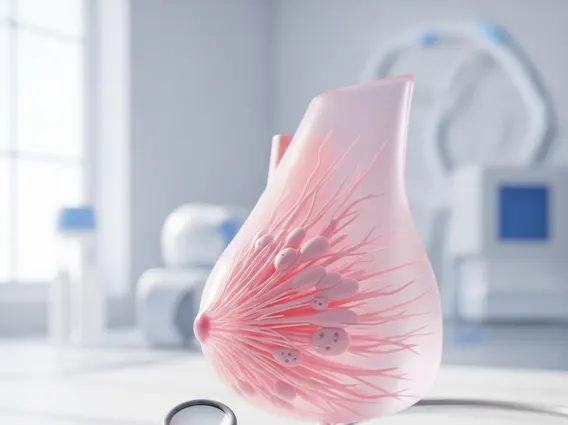
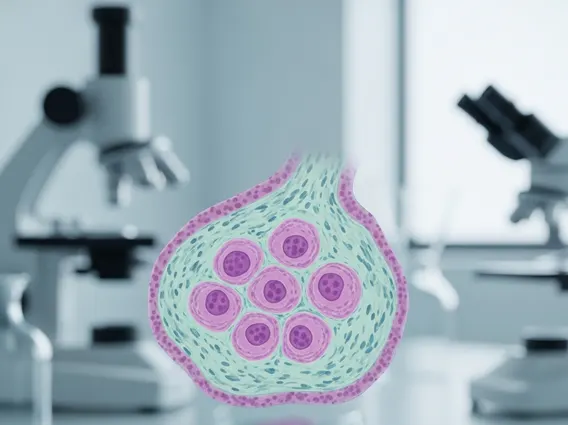
Atypical Ductal Hyperplasia (ADH) is a non-cancerous breast condition characterized by abnormal cell growth within the milk ducts. While not cancer itself, ADH is considered a significant risk factor for developing future breast cancer.
Key Takeaways
- ADH is a benign breast condition involving abnormal cell growth in milk ducts.
- It significantly increases the risk of developing invasive breast cancer.
- Diagnosis typically occurs incidentally through breast biopsy for other findings.
- Management involves close surveillance, and sometimes medication or surgical excision.
What is Atypical Ductal Hyperplasia?
What is atypical ductal hyperplasia? It is a condition where the cells lining the milk ducts of the breast grow excessively and exhibit abnormal features, but they have not yet become cancerous. This ADH breast condition explained is not cancer, but rather a marker of increased risk. It indicates that a woman has a higher chance of developing invasive breast cancer in the future compared to women without ADH. According to the American Cancer Society, women diagnosed with ADH have an approximately 4-5 times higher risk of developing breast cancer compared to women without the condition. It is often discovered incidentally during a biopsy performed for other reasons, such as an abnormal mammogram finding.
Recognizing ADH: Symptoms and Diagnosis
Understanding how ADH is identified is crucial, as atypical ductal hyperplasia symptoms are typically absent. The condition itself does not usually present with noticeable signs, making diagnostic procedures essential for its detection.
Common Signs of ADH
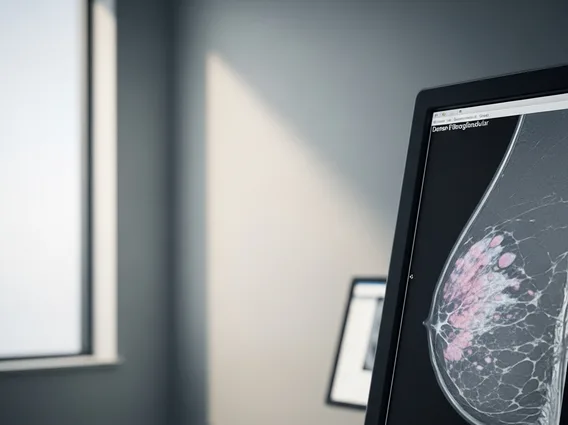
Unlike some breast conditions, ADH generally does not cause specific symptoms that a woman can feel, such as a lump or pain. Instead, it is most often discovered when a biopsy is performed due to other findings on a routine mammogram, such as microcalcifications (tiny calcium deposits) or a suspicious mass. Therefore, ADH is primarily a pathological diagnosis rather than one based on clinical symptoms.
Diagnostic Procedures for ADH
The diagnostic process for ADH typically begins with imaging studies, followed by a tissue biopsy for definitive confirmation. Key procedures include:
- Mammography: Often the initial tool that detects abnormalities like microcalcifications, leading to further investigation.
- Ultrasound or MRI: May be used to further evaluate suspicious areas identified on a mammogram.
- Biopsy: A core needle biopsy is frequently performed to obtain tissue samples from the suspicious area. If ADH is identified, an excisional biopsy (surgical removal of the entire area) is often recommended to ensure no more severe conditions, such as ductal carcinoma in situ (DCIS) or invasive cancer, are present alongside the ADH.
Atypical Ductal Hyperplasia Treatment Options
The approach to atypical ductal hyperplasia treatment focuses on careful surveillance and strategies to reduce the elevated risk of future breast cancer. Treatment plans are highly individualized, based on a woman’s overall risk profile and personal preferences.
Medical Management for ADH
For individuals diagnosed with ADH, medical management often involves a combination of close monitoring and, in some cases, risk-reducing medications:
- Enhanced Surveillance: This typically includes more frequent clinical breast exams, annual mammograms, and potentially alternating with breast MRI, especially for women with additional risk factors.
- Chemoprevention: Medications like tamoxifen or raloxifene may be recommended by healthcare providers. These drugs can help reduce the risk of developing invasive breast cancer by interfering with estrogen’s effects on breast tissue. It is important to discuss the potential benefits and side effects with a physician.
Surgical Considerations for ADH
Surgical intervention is a common part of managing ADH, particularly after an initial diagnosis via core needle biopsy:
- Excisional Biopsy: Following a core needle biopsy diagnosis of ADH, an excisional biopsy is frequently recommended. This surgical procedure removes the entire area of atypical cells to ensure that no higher-risk lesions, such as ductal carcinoma in situ (DCIS) or invasive cancer, were missed by the initial biopsy. Studies show that a significant percentage of ADH cases diagnosed by core biopsy are upgraded to DCIS or invasive cancer upon excisional biopsy.
- Prophylactic Mastectomy: In rare cases, for women with very high overall breast cancer risk factors in addition to ADH, a prophylactic mastectomy (preventive removal of the breast) may be considered. This is a significant decision and is typically discussed extensively with a multidisciplinary medical team.