Antimitotic Agent
Antimitotic agents are a crucial class of drugs primarily utilized in cancer therapy, designed to halt the uncontrolled proliferation of cancer cells. They achieve this by specifically interfering with the process of cell division, known as mitosis.
Key Takeaways
- Antimitotic agents are drugs that disrupt cell division (mitosis), primarily used in cancer treatment.
- They work by targeting components essential for chromosome separation, such as microtubules, preventing cancer cells from multiplying.
- Key classes include vinca alkaloids and taxanes, each with distinct mechanisms of action.
- Side effects are common due to their impact on rapidly dividing healthy cells, often managed with supportive care.
- Understanding their function and potential adverse effects is vital for effective cancer therapy.
What is an Antimitotic Agent?
An antimitotic agent is a type of drug that inhibits cell division, or mitosis. These agents are fundamental in oncology, where their primary role is to prevent the rapid and uncontrolled proliferation characteristic of cancer cells. By disrupting the cell cycle, particularly the M-phase (mitosis), they effectively stop cancer cells from multiplying, leading to cell death or growth arrest. This mechanism makes them a cornerstone of many chemotherapy regimens, addressing the core issue of uncontrolled cell growth in various cancers.
How Antimitotic Agents Work
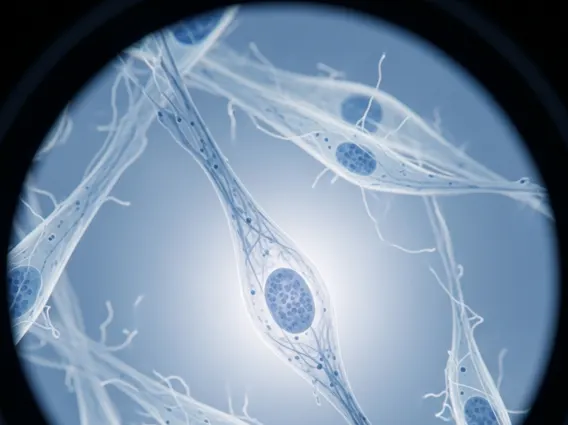
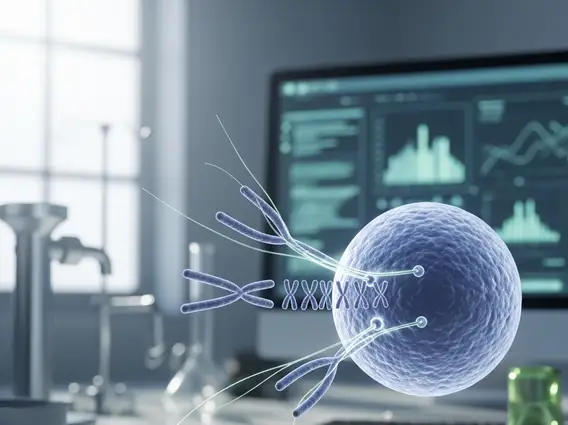
The effectiveness of antimitotic agents stems from their ability to interfere with the intricate machinery of cell division. During mitosis, cells meticulously duplicate their genetic material and then separate these copies into two new daughter cells. A critical component of this process is the mitotic spindle, a structure made of microtubules that pulls chromosomes apart. How antimitotic agents work is by targeting these microtubules, either by preventing their formation (polymerization) or by stabilizing them excessively, thereby inhibiting their breakdown (depolymerization). Both actions disrupt the proper assembly and function of the mitotic spindle, preventing chromosomes from aligning correctly and separating. This ultimately triggers cell cycle arrest and programmed cell death (apoptosis) in rapidly dividing cells, including cancer cells.
Types and Side Effects of Antimitotic Drugs
The landscape of antimitotic therapy encompasses various drug classes, each with unique mechanisms and associated adverse effects. Understanding the specific types of antimitotic drugs and their potential reactions is crucial for patient care and treatment planning.
Key Classes of Antimitotic Drugs
There are several distinct types of antimitotic drugs, categorized by their specific interaction with microtubules:
- Vinca Alkaloids: These agents, such as vincristine and vinblastine, prevent the polymerization of tubulin into microtubules. This inhibits the formation of the mitotic spindle, arresting cells in metaphase.
- Taxanes: Drugs like paclitaxel and docetaxel work by stabilizing microtubules, preventing their depolymerization. This leads to the formation of dysfunctional, overly stable microtubules, which also arrests cells in mitosis.
- Epothilones: Similar to taxanes, epothilones (e.g., ixabepilone) stabilize microtubules, but they often retain activity in cells resistant to taxanes.
- Estramustine: This agent combines a nitrogen mustard with estradiol, disrupting microtubule function and inhibiting mitosis.
Common Side Effects and Management
While highly effective against cancer cells, antimitotic agent side effects are common because these drugs can also affect rapidly dividing healthy cells in the body. The most frequently observed side effects include:
- Myelosuppression: A reduction in blood cell production, leading to anemia, neutropenia (increased infection risk), and thrombocytopenia (increased bleeding risk). This is a significant concern due to the rapid turnover of bone marrow cells.
- Neuropathy: Damage to nerves, particularly peripheral neuropathy, manifesting as numbness, tingling, or pain in the hands and feet. This is especially common with vinca alkaloids and taxanes.
- Alopecia: Hair loss, as hair follicle cells are among the fastest-dividing cells in the body.
- Gastrointestinal disturbances: Nausea, vomiting, and diarrhea, due to the impact on the rapidly renewing cells lining the digestive tract.
- Fatigue: A common and often debilitating side effect.
Management of these side effects often involves supportive care, such as antiemetics for nausea, growth factors for myelosuppression, and pain management for neuropathy. Regular monitoring by healthcare professionals is essential to mitigate risks and maintain patient quality of life during treatment.