Antidiuretic Hormone
Antidiuretic hormone, also known as vasopressin, is a crucial substance produced by the body that plays a vital role in maintaining fluid balance and blood pressure. Understanding its mechanisms is key to comprehending how our bodies regulate water.
Key Takeaways
- Antidiuretic Hormone (ADH) is a hormone primarily responsible for regulating the body’s water balance.
- It is produced in the hypothalamus and released by the posterior pituitary gland in response to dehydration or low blood pressure.
- The main function of ADH is to increase water reabsorption in the kidneys, thereby reducing urine output and conserving body water.
- ADH helps maintain stable blood volume and pressure, preventing dehydration and electrolyte imbalances.
- Dysregulation of ADH can lead to conditions like diabetes insipidus or Syndrome of Inappropriate ADH (SIADH).
What is Antidiuretic Hormone?
The question of what is Antidiuretic Hormone (ADH) can be comprehensively answered by defining it as a vital peptide hormone primarily responsible for regulating the amount of water in the body. Also known as vasopressin, this essential hormone is synthesized in specialized nerve cells within the hypothalamus of the brain and subsequently stored and released by the posterior pituitary gland. Its release is a finely tuned process, primarily triggered by changes in the body’s hydration status, such as increased osmolality (concentration of solutes in the blood) or decreased blood volume and pressure. The fundamental antidiuretic hormone definition and purpose centers on its crucial role in maintaining fluid homeostasis, ensuring that the body retains adequate water to function correctly and prevent dehydration. Without proper ADH regulation, the body would struggle to manage its fluid levels, leading to significant health issues like excessive urination or dangerous water retention.
The primary antidiuretic hormone function in body is to conserve water. When the body experiences dehydration or a drop in blood pressure, ADH acts directly on the kidneys to reduce the amount of water excreted in the urine. This mechanism is critical for preventing excessive fluid loss and maintaining stable blood volume, which in turn supports consistent blood pressure and proper electrolyte concentrations. For example, conditions like severe sweating or insufficient water intake will prompt a rapid increase in ADH secretion. This response is vital for survival, as even a small percentage change in total body water can impact cellular function. According to insights from the American Physiological Society, the precise control of water balance by ADH is a cornerstone of mammalian physiology, underscoring its indispensable role.
How Antidiuretic Hormone Works
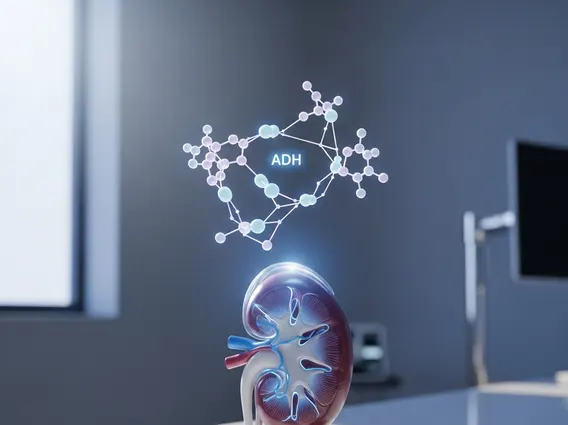
Understanding how Antidiuretic Hormone works involves examining its specific actions on the renal system. Once released into the bloodstream, ADH travels efficiently to the kidneys, where its primary targets are the collecting ducts and distal tubules. These segments of the kidney nephron are typically impermeable to water under normal conditions. However, when ADH binds to specific V2 receptors located on the cells lining these tubules, it initiates a signaling cascade. This cascade triggers the rapid insertion of specialized water channels, known as aquaporin-2 (AQP2) channels, into the apical membranes of the tubular cells.
The presence of these newly inserted aquaporins dramatically increases the permeability of the collecting ducts and distal tubules to water. This enhanced permeability allows a significantly greater amount of water to be reabsorbed from the forming urine back into the bloodstream, rather than being expelled from the body. Consequently, the urine becomes much more concentrated, and the body effectively conserves precious water. This process is absolutely crucial for preventing dehydration and maintaining adequate blood volume and pressure. For instance, if a person is dehydrated, the osmolality of their blood increases, signaling the hypothalamus to release more ADH. This increased ADH then prompts the kidneys to reabsorb more water, helping to restore the body’s fluid balance. Conversely, when the body is overhydrated, ADH release is inhibited, leading to less water reabsorption and the production of more dilute urine. This intricate feedback loop ensures precise and dynamic control over the body’s water content, adapting to various physiological demands.