Antibody Dependent Cellular Cytotoxicity
Antibody Dependent Cellular Cytotoxicity (ADCC) is a crucial immune mechanism where antibodies target and mark specific cells for destruction by immune effector cells. This process is vital for eliminating infected cells and combating cancerous growth within the body.
Key Takeaways
- ADCC is an immune defense mechanism that uses antibodies to identify target cells.
- It involves specific antibodies binding to antigens on infected or cancerous cells.
- Natural Killer (NK) cells are primary effector cells, recognizing these antibody-bound targets.
- The process leads to the destruction of the target cells through programmed cell death.
- ADCC is a significant pathway exploited by therapeutic antibodies in cancer treatment.
What is Antibody Dependent Cellular Cytotoxicity?
Antibody Dependent Cellular Cytotoxicity is a sophisticated immune response where effector cells of the immune system actively lyse, or destroy, a target cell whose surface antigens have been coated with specific antibodies. To put it simply, it’s a way for the immune system to identify and eliminate harmful cells that have been “flagged” by antibodies. This process is a critical bridge between the adaptive and innate immune systems, leveraging the specificity of antibodies with the potent killing capabilities of innate immune cells. Understanding what is Antibody Dependent Cellular Cytotoxicity reveals its fundamental role in maintaining health by clearing threats like viral infections and tumor cells. The entire process of antibody dependent cellular cytotoxicity explained involves a precise sequence of recognition and destruction, ensuring targeted elimination without harming healthy cells.
ADCC Mechanism of Action
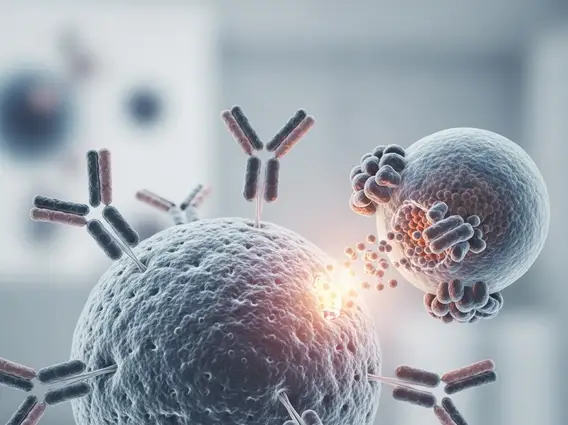
The ADCC mechanism of action begins when specific antibodies, typically immunoglobulin G (IgG), bind to antigens present on the surface of a target cell, such as a virus-infected cell or a cancer cell. These antibodies act as molecular bridges, with their antigen-binding fragments (Fab regions) attaching to the target cell. The constant region (Fc region) of the antibody then protrudes outwards, becoming accessible to immune effector cells. The primary effector cells in ADCC are Natural Killer (NK) cells, which possess Fc receptors (specifically FcγRIII, also known as CD16) on their surface. When an NK cell’s Fc receptor binds to the Fc region of an antibody attached to a target cell, it triggers the NK cell’s activation. This activation leads to the release of cytotoxic granules containing perforin and granzymes. Perforin creates pores in the target cell’s membrane, allowing granzymes to enter and initiate a cascade of events that induce apoptosis, or programmed cell death, in the target cell. While NK cells are the most prominent players, other immune cells like macrophages, neutrophils, and eosinophils can also mediate ADCC, particularly against larger parasites.
Role of ADCC in Immune Response
The role of ADCC in immune response is multifaceted and crucial for host defense. It serves as a vital mechanism for combating various pathogens, particularly viruses. In viral infections, ADCC allows antibodies to tag infected cells, which are then destroyed by NK cells, preventing the spread of the virus. Beyond infectious diseases, ADCC plays a significant role in anti-tumor immunity. Antibodies produced against cancer cell antigens can bind to tumor cells, marking them for destruction by effector cells. This mechanism is so potent that it has been harnessed in modern medicine. Many therapeutic monoclonal antibodies used in cancer treatment, such as trastuzumab for HER2-positive breast cancer or rituximab for certain lymphomas, are designed to induce ADCC, thereby enhancing the body’s ability to eliminate cancer cells. This highlights ADCC’s importance not only as a natural defense but also as a powerful tool in immunotherapy, contributing significantly to disease eradication and immune surveillance.