Antibody Dependent Cell Mediated Cytotoxicity
Antibody Dependent Cell Mediated Cytotoxicity (ADCC) is a crucial immune mechanism where antibodies act as a bridge, linking target cells to specific immune effector cells, leading to the destruction of the target cell. This process is vital for the body’s defense against various pathogens and abnormal cells.
Key Takeaways
- Antibody Dependent Cell Mediated Cytotoxicity (ADCC) is an immune response where antibodies guide immune cells to destroy infected or cancerous cells.
- The process involves antibodies binding to target cells, followed by effector cells recognizing these antibodies and initiating cell lysis.
- ADCC is a key mechanism in fighting viral infections, bacterial infections, and plays a significant role in anti-cancer therapies.
- Natural Killer (NK) cells are primary effector cells in ADCC, recognizing antibody-coated cells through their Fc receptors.
- Understanding ADCC is essential for developing new immunotherapies and vaccines.
What is Antibody Dependent Cell Mediated Cytotoxicity?
What is Antibody Dependent Cell Mediated Cytotoxicity? It is an immune defense mechanism that relies on the combined action of antibodies and immune effector cells to eliminate target cells. In this process, antibodies, specifically the Fc region of immunoglobulin G (IgG), bind to antigens on the surface of infected cells or tumor cells. This binding then signals certain immune cells, known as effector cells, to recognize and destroy the antibody-coated target cell. This coordinated attack is a powerful tool in the adaptive immune system’s arsenal, ensuring precise targeting and destruction of harmful cells.
ADCC Mechanism of Action Explained
The ADCC mechanism of action involves a precise sequence of events that culminates in the destruction of a target cell. This intricate process highlights the sophisticated interplay between humoral and cellular immunity, providing a robust defense against various threats.
Antibody Binding to Target Cells
The initial step in ADCC involves antibodies, typically IgG, recognizing and binding to specific antigens present on the surface of a target cell. These antigens could be viral proteins on an infected cell, bacterial components, or unique markers on a cancerous cell. The antibodies coat the target cell, effectively tagging it for destruction. This specificity ensures that only cells identified as foreign or abnormal are targeted, minimizing damage to healthy tissues.
Effector Cell Recognition and Activation
Once antibodies have bound to the target cell, their Fc (fragment crystallizable) regions become exposed. Effector cells, primarily Natural Killer (NK) cells, but also macrophages, neutrophils, and eosinophils, possess specific receptors on their surface called Fc receptors (FcγRs). These FcγRs recognize and bind to the Fc regions of the antibodies attached to the target cell. This binding event activates the effector cell, triggering a cascade of intracellular signaling pathways that prepare it for cytotoxic action.
Target Cell Lysis
Upon activation, the effector cell initiates the destruction of the target cell through a process known as lysis. NK cells, for instance, release cytotoxic granules containing perforin and granzymes. Perforin creates pores in the target cell membrane, allowing granzymes to enter the cell. Granzymes then activate a series of enzymes within the target cell, leading to programmed cell death, or apoptosis. This controlled destruction ensures that the cell’s contents are not released haphazardly, preventing inflammation and further tissue damage, thereby completing the ADCC process.
Function and Role of ADCC in Immune Response
The function of antibody dependent cell cytotoxicity is multifaceted and critical for maintaining immune homeostasis. ADCC plays a pivotal role in eliminating cells infected with viruses or intracellular bacteria, as well as in targeting and destroying cancer cells. The ADCC immune response explanation highlights its importance in both natural immunity and therapeutic interventions.
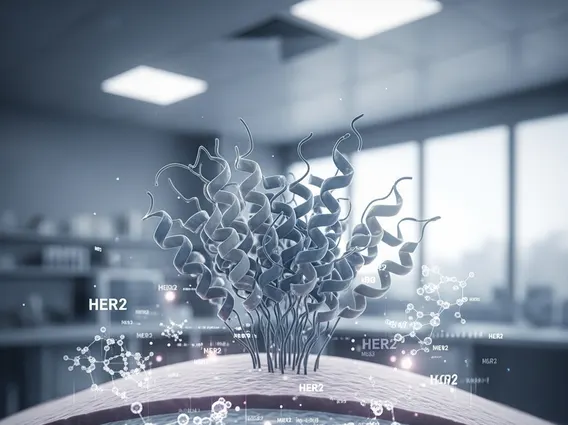
In viral infections, ADCC helps clear infected cells before the virus can replicate and spread further. For example, antibodies against viral surface proteins can tag infected cells, making them vulnerable to NK cell-mediated destruction. Similarly, in the context of cancer, ADCC is a significant mechanism by which therapeutic monoclonal antibodies, such as rituximab or trastuzumab, work. These antibodies bind to specific antigens on tumor cells, recruiting effector cells like NK cells to destroy the cancerous cells. This targeted approach has revolutionized cancer treatment, offering a potent way to harness the body’s own immune system against malignancies. Beyond direct cell killing, ADCC also contributes to the broader immune response by releasing antigens from lysed cells, which can then be processed by antigen-presenting cells to further amplify adaptive immunity.