
Hypertension
Hypertension, commonly known as high blood pressure, is a prevalent medical condition that significantly increases the risk of heart disease, stroke, and kidney disease. Understanding its causes, symptoms, and available treatments is crucial for effective management and prevention of severe health complications.
Key Takeaways
- Hypertension is defined as consistently elevated blood pressure, often without noticeable symptoms.
- It is categorized into primary (essential) hypertension, with no identifiable cause, and secondary hypertension, resulting from underlying conditions.
- Common risk factors include age, family history, obesity, unhealthy diet, and lack of physical activity.
- Treatment involves a combination of lifestyle modifications and, often, medication to manage blood pressure levels.
- Regular monitoring and adherence to medical advice are essential for preventing serious health consequences.
What is Hypertension (High Blood Pressure) and Its Causes?
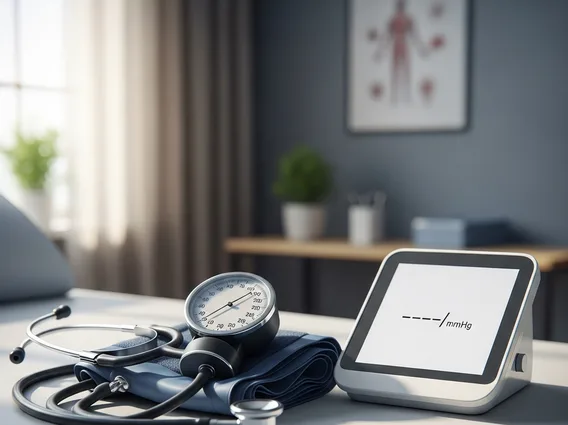
Hypertension refers to a condition where the force of blood against your artery walls is consistently too high. Blood pressure is measured in millimeters of mercury (mmHg) and recorded as two numbers: systolic pressure (the top number, indicating pressure when your heart beats) and diastolic pressure (the bottom number, indicating pressure when your heart rests between beats). According to the American Heart Association, a normal blood pressure reading is typically less than 120/80 mmHg. Readings consistently at or above 130/80 mmHg are generally considered hypertension.
The causes of hypertension can be complex and are often categorized into two main types:
- Primary (Essential) Hypertension: This is the most common type, affecting about 90-95% of individuals with high blood pressure. It develops gradually over many years and has no identifiable cause. Factors like genetics, age, obesity, high sodium intake, excessive alcohol consumption, and physical inactivity are believed to contribute to its development.
- Secondary Hypertension: This type is caused by an underlying condition, such as kidney disease, thyroid problems, obstructive sleep apnea, or certain medications. It tends to appear suddenly and often causes higher blood pressure than primary hypertension. Addressing the underlying condition can often resolve secondary hypertension.
Symptoms of High Blood Pressure in Adults
One of the most concerning aspects of hypertension is its often silent nature. Many individuals with symptoms of high blood pressure in adults experience no noticeable signs, even when their blood pressure reaches dangerously high levels. This is why it’s frequently referred to as “the silent killer.” The only way to know if you have high blood pressure is to have it measured regularly by a healthcare professional.
While most people with hypertension are asymptomatic, some may experience symptoms if their blood pressure reaches a severe or life-threatening level (hypertensive crisis). These symptoms can include:
- Severe headache
- Shortness of breath
- Nosebleeds
- Dizziness
- Chest pain
- Visual changes
- Blood in the urine
If you experience any of these symptoms, especially in combination, seek immediate medical attention. Regular blood pressure screenings are vital for early detection and management, even in the absence of symptoms.
Hypertension Treatment Options and Natural Approaches
Managing hypertension is crucial to prevent serious health complications. Hypertension treatment options explained typically involve a combination of lifestyle modifications and, when necessary, medication. The goal is to lower blood pressure to a healthy range and maintain it there.
Lifestyle changes are often the first line of defense and can significantly impact blood pressure levels. These include:
- Adopting a heart-healthy diet, such as the DASH (Dietary Approaches to Stop Hypertension) diet, which emphasizes fruits, vegetables, whole grains, and lean proteins while limiting saturated fats, cholesterol, and sodium.
- Engaging in regular physical activity, aiming for at least 150 minutes of moderate-intensity aerobic exercise or 75 minutes of vigorous-intensity exercise per week.
- Maintaining a healthy weight, as losing even a small amount of weight can help lower blood pressure.
- Limiting alcohol consumption.
- Quitting smoking.
- Managing stress through techniques like meditation, yoga, or deep breathing exercises.
For many, lifestyle changes alone are not sufficient, and medication is required. There are several classes of medications available, including diuretics, ACE inhibitors, ARBs, beta-blockers, and calcium channel blockers, each working in different ways to lower blood pressure. A healthcare provider will determine the most appropriate medication and dosage based on individual health factors and blood pressure readings.
When considering how to lower blood pressure naturally, it’s important to remember that natural approaches are generally supportive and should complement, not replace, prescribed medical treatment. These approaches often align with the lifestyle modifications mentioned above. For example, increasing potassium intake through foods like bananas and spinach, reducing caffeine, and ensuring adequate sleep can contribute to better blood pressure control. Always consult with your doctor before making significant changes to your diet or lifestyle, especially if you are already on medication for hypertension, to ensure they are safe and appropriate for your specific health needs.



















