
Hyperparathyroidism
Hyperparathyroidism is a condition characterized by the overactivity of one or more of the parathyroid glands, leading to an excess production of parathyroid hormone (PTH). This hormonal imbalance significantly impacts the body’s calcium and phosphorus levels, which are crucial for bone health, nerve function, and muscle contraction.
Key Takeaways
- Hyperparathyroidism involves overactive parathyroid glands producing too much parathyroid hormone (PTH), disrupting calcium and phosphorus balance.
- Symptoms range from asymptomatic to severe, including fatigue, bone pain, kidney stones, and mood changes, often linked to high blood calcium.
- The most common cause is a benign tumor (adenoma) in one parathyroid gland, but it can also stem from kidney disease or vitamin D deficiency.
- Diagnosis relies on blood tests showing elevated calcium and PTH levels, along with other tests to assess bone density and kidney function.
- Treatment typically involves surgery to remove overactive glands, but watchful waiting or medication may be options for some patients.
What is Hyperparathyroidism?
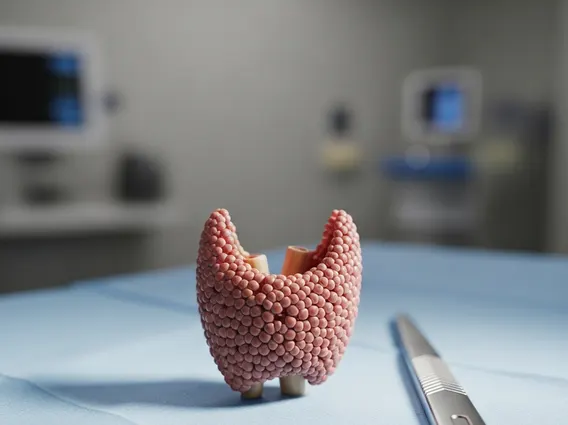
Hyperparathyroidism refers to a disorder where the parathyroid glands, four small glands located behind the thyroid in the neck, produce excessive amounts of parathyroid hormone (PTH). This hormone plays a vital role in regulating calcium, phosphorus, and vitamin D levels in the blood and bones. When PTH levels are too high, it leads to elevated calcium levels in the blood, a condition known as hypercalcemia, and can cause phosphorus levels to drop.
There are primarily three types of hyperparathyroidism. Primary hyperparathyroidism is the most common form, usually caused by a benign tumor (adenoma) on one of the parathyroid glands, which causes it to produce too much PTH independently. Secondary hyperparathyroidism develops as a response to another condition that causes low calcium levels, such as chronic kidney failure or severe vitamin D deficiency, prompting the parathyroid glands to work overtime. Tertiary hyperparathyroidism is a rare progression of long-standing secondary hyperparathyroidism, where the glands become overactive and autonomous even after the underlying cause of low calcium is resolved.
Hyperparathyroidism Symptoms and Causes
The presentation of hyperparathyroidism symptoms causes varies widely among individuals. Many people with the condition, especially in its early stages, may experience no noticeable symptoms and are often diagnosed incidentally during routine blood tests. However, when symptoms do occur, they are typically related to the effects of high calcium levels in the blood (hypercalcemia) and can be vague or mimic other conditions.
Common symptoms associated with hyperparathyroidism include:
- Fatigue and general weakness
- Bone pain or tenderness, and increased risk of fractures
- Kidney stones and frequent urination
- Nausea, vomiting, and loss of appetite
- Constipation
- Depression, anxiety, and memory problems
- Increased thirst
- Muscle weakness
The primary cause of hyperparathyroidism is most often a non-cancerous growth (adenoma) on one of the parathyroid glands, accounting for about 85% of primary cases. Less commonly, primary hyperparathyroidism can result from the enlargement of all four parathyroid glands (hyperplasia) or, very rarely, parathyroid cancer. Secondary hyperparathyroidism is typically caused by conditions that lead to persistently low blood calcium, most notably chronic kidney disease, which impairs the kidneys’ ability to convert vitamin D to its active form, and severe vitamin D deficiency.
Diagnosing and Treating Hyperparathyroidism
Diagnosing hyperparathyroidism typically begins with blood tests. The key indicators are elevated levels of calcium and parathyroid hormone (PTH) in the blood. Doctors may also check phosphorus levels, which are often low, and vitamin D levels. Once blood tests confirm the diagnosis, further evaluations may be conducted to assess the impact of the condition on the body. These can include bone density scans (DEXA scans) to check for bone loss, urine tests to measure calcium excretion, and imaging studies of the kidneys to look for kidney stones.
For primary hyperparathyroidism, imaging tests such as ultrasound, Sestamibi scan, or CT scan may be used to locate the overactive parathyroid gland(s) before treatment.
When considering hyperparathyroidism treatment options, the approach depends on the type of hyperparathyroidism, the severity of symptoms, and the patient’s overall health. For primary hyperparathyroidism, surgery (parathyroidectomy) is the most common and effective treatment. This procedure involves removing the overactive gland or glands, which often cures the condition. For individuals with mild, asymptomatic primary hyperparathyroidism, a “watchful waiting” approach with regular monitoring of blood calcium levels, bone density, and kidney function may be recommended.
Medications may also be used to manage symptoms or specific aspects of the condition. Calcimimetics, for example, can help lower PTH and calcium levels in the blood. Bisphosphonates may be prescribed to help strengthen bones and reduce the risk of fractures. For secondary hyperparathyroidism, treatment focuses on addressing the underlying cause, such as managing chronic kidney disease or correcting vitamin D deficiency with supplements. It is important to note that any information regarding supportive therapies does not replace professional medical treatment.



















