High Grade Lymphoma
High Grade Lymphoma refers to a group of aggressive cancers that originate in lymphocytes, a type of white blood cell crucial to the immune system. Unlike low-grade lymphomas, these forms grow and spread rapidly, often requiring prompt and intensive treatment.

Key Takeaways
- High Grade Lymphoma is an aggressive cancer of the lymphatic system, characterized by rapid growth and spread.
- Common types include Diffuse Large B-cell Lymphoma (DLBCL) and Burkitt Lymphoma.
- Symptoms often include rapidly growing lymph nodes, fever, night sweats, and unexplained weight loss.
- Diagnosis relies on tissue biopsies, often supplemented by imaging and blood tests.
- Treatment typically involves intensive chemotherapy, often combined with immunotherapy, with prognosis varying based on specific type and stage.
What is High Grade Lymphoma?
High Grade Lymphoma is a classification for a group of aggressive non-Hodgkin lymphomas that are characterized by rapid cell growth and proliferation. These lymphomas arise from malignant transformations of lymphocytes, which are integral components of the body’s immune system. Unlike indolent (low-grade) lymphomas that grow slowly, high-grade types can progress quickly and require immediate medical attention.
The most common type of high-grade lymphoma is Diffuse Large B-cell Lymphoma (DLBCL), accounting for approximately 30-40% of all non-Hodgkin lymphomas. Other notable high-grade lymphomas include Burkitt Lymphoma and certain types of peripheral T-cell lymphomas. According to the World Health Organization (WHO), these classifications are crucial for guiding treatment strategies due to their distinct biological behaviors and responses to therapy. The aggressive nature of these lymphomas means that early detection and intervention are critical for improving patient outcomes.
Symptoms and Diagnosis of High Grade Lymphoma
Recognizing the signs of high grade lymphoma symptoms is vital for early diagnosis. Due to the rapid growth of these cancers, symptoms often appear and worsen quickly. Common indicators include:
- Rapidly Enlarging Lymph Nodes: Swelling in the neck, armpits, or groin that is often painless but grows quickly.
- B Symptoms: Unexplained fever, drenching night sweats, and significant unintentional weight loss (more than 10% of body weight in six months).
- Fatigue: Persistent and profound tiredness that does not improve with rest.
- Other Symptoms: Depending on the location of the lymphoma, patients might experience abdominal pain, shortness of breath, or skin lesions.
Diagnosis typically begins with a physical examination and a review of symptoms. The definitive diagnosis of High Grade Lymphoma requires a biopsy, usually of an affected lymph node or other suspicious tissue. This tissue is then examined by a pathologist to identify the specific type of lymphoma and its grade. Further diagnostic tests, such as bone marrow biopsy, computed tomography (CT) scans, positron emission tomography (PET) scans, and blood tests, are used to determine the extent of the disease (staging) and assess overall health.
Treatment Options and Prognosis for High Grade Lymphoma
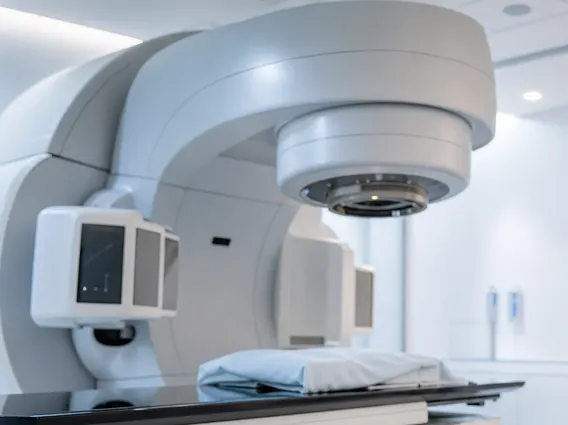
The approach to high grade lymphoma treatment is typically aggressive, reflecting the fast-growing nature of the disease. The primary treatment modality for most high-grade lymphomas is combination chemotherapy, often combined with immunotherapy. For instance, the R-CHOP regimen (rituximab, cyclophosphamide, doxorubicin, vincristine, and prednisone) is a standard treatment for DLBCL. Other treatments may include radiation therapy, particularly for localized disease, or high-dose chemotherapy followed by autologous stem cell transplantation for relapsed or refractory cases.
The high grade lymphoma prognosis varies significantly depending on several factors, including the specific subtype of lymphoma, the stage at diagnosis, the patient’s age and overall health, and how well the lymphoma responds to initial treatment. While high-grade lymphomas are aggressive, many patients achieve remission with intensive treatment. Advances in chemotherapy and the introduction of targeted therapies and immunotherapies have substantially improved outcomes over the past decades. Regular follow-up care is essential to monitor for recurrence and manage any long-term side effects of treatment. It is important to note that information on complementary therapies is supportive only and does not replace conventional medical treatment.