HER2 Low Breast Cancer
HER2 Low breast cancer represents a newly defined subtype of breast cancer, distinct from HER2-positive and HER2-negative classifications, offering new avenues for targeted therapies. This evolving understanding is crucial for personalized treatment strategies and improved patient outcomes.
Key Takeaways
- HER2 Low is a distinct breast cancer subtype characterized by low levels of HER2 protein expression, bridging the gap between HER2-positive and HER2-negative cancers.
- Diagnosis relies on standard breast biopsy and immunohistochemistry (IHC) testing, identifying tumors with an IHC score of 1+ or IHC 2+/FISH-negative.
- Symptoms are similar to other breast cancer types, including lumps, skin changes, and nipple discharge.
- Treatment options now include specific HER2-targeted therapies, particularly antibody-drug conjugates, alongside conventional treatments like chemotherapy, hormone therapy, and surgery.
- The emergence of HER2 Low classification has expanded treatment possibilities for a significant portion of breast cancer patients.
What is HER2 Low Breast Cancer?
HER2 Low Breast Cancer refers to a recently recognized subtype of breast cancer characterized by a low level of human epidermal growth factor receptor 2 (HER2) protein expression on cancer cells. This classification is significant because it bridges the gap between HER2-positive (high expression) and HER2-negative (no expression) breast cancers, affecting a substantial portion of patients previously categorized as HER2-negative. Specifically, HER2 Low tumors are identified by an immunohistochemistry (IHC) score of 1+ or an IHC score of 2+ with a negative fluorescence in situ hybridization (FISH) test. This distinction is vital for understanding HER2 low breast cancer and its unique treatment implications.
Historically, breast cancers were broadly classified as HER2-positive or HER2-negative. However, research has revealed that many tumors previously deemed HER2-negative still express some level of the HER2 protein, albeit at lower levels. This reclassification has profound implications for treatment, as it opens the door to novel targeted therapies designed to exploit even low levels of HER2 expression. According to the American Cancer Society, approximately 40-50% of all breast cancers previously classified as HER2-negative now fall into the HER2 Low category, highlighting the broad impact of this new definition.
Recognizing Symptoms and Diagnosis
The HER2 low breast cancer symptoms are generally similar to those of other types of breast cancer and do not present with unique indicators specific to its HER2 Low status. Early detection remains critical for all breast cancers. Common signs and symptoms that warrant medical evaluation include:
- A new lump or mass in the breast or armpit.
- Changes in the size or shape of the breast.
- Skin changes on the breast, such as dimpling, redness, or scaling.
- Nipple changes, including inversion, discharge other than breast milk, or peeling.
- Pain in any part of the breast.
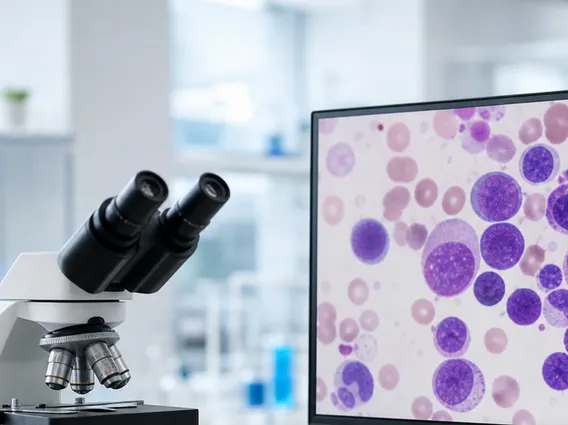
Diagnosis of HER2 Low breast cancer begins with a standard breast biopsy, where a small tissue sample is taken from the suspicious area. This sample is then analyzed in a laboratory using immunohistochemistry (IHC) to measure the amount of HER2 protein on the surface of the cancer cells. An IHC score of 0 is considered HER2-negative, while 3+ is HER2-positive. Tumors with an IHC score of 1+ or an IHC score of 2+ that test negative for HER2 gene amplification via fluorescence in situ hybridization (FISH) are classified as HER2 Low. This precise pathological assessment is crucial for guiding subsequent treatment decisions.
HER2 Low Breast Cancer Treatment Options
The emergence of the HER2 Low classification has significantly expanded HER2 low breast cancer treatment options, particularly with the advent of new targeted therapies. For patients with HER2 Low breast cancer, treatment strategies are tailored based on the tumor’s specific characteristics, including hormone receptor status, stage of cancer, and overall patient health.
Traditional treatments for breast cancer, such as surgery, radiation therapy, and chemotherapy, often form the backbone of treatment for HER2 Low cases. Hormone therapy may also be used if the cancer is hormone receptor-positive. However, a major breakthrough for HER2 Low breast cancer has been the development of antibody-drug conjugates (ADCs). These innovative therapies combine a monoclonal antibody that targets the HER2 protein with a potent chemotherapy drug. The antibody delivers the chemotherapy directly to the cancer cells expressing HER2, minimizing damage to healthy cells. An example of such a therapy is trastuzumab deruxtecan, which has shown significant efficacy in clinical trials for HER2 Low metastatic breast cancer.
The selection of the most appropriate treatment plan involves a multidisciplinary team of oncologists, surgeons, and radiation oncologists, ensuring a comprehensive and personalized approach to care. Ongoing research continues to explore new therapeutic avenues and refine existing strategies for this distinct breast cancer subtype.