
Hepatic Veno Occlusive Disease
Hepatic Veno Occlusive Disease, also known as sinusoidal obstruction syndrome (SOS), is a serious condition affecting the liver. It results from damage to the small veins within the liver, leading to their blockage and impaired blood flow.
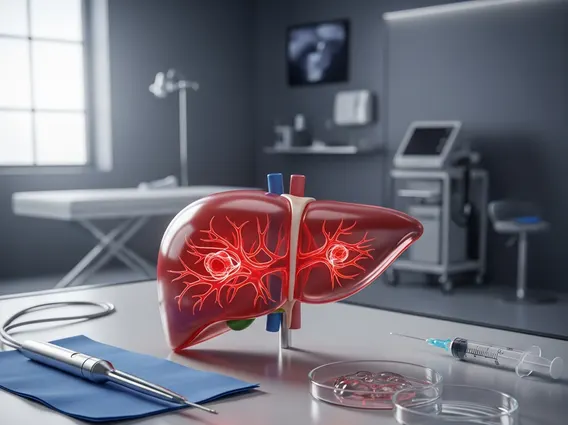
Key Takeaways
- Hepatic Veno Occlusive Disease (HVOD) is a severe liver condition caused by the blockage of small liver veins.
- It is often a complication of high-dose chemotherapy or radiation, especially before bone marrow transplantation.
- Symptoms include jaundice, fluid retention, and liver enlargement.
- Diagnosis relies on clinical signs, imaging, and sometimes liver biopsy.
- Treatment focuses on supportive care, symptom management, and specific medications to improve liver blood flow.
What is Hepatic Veno Occlusive Disease?
Hepatic Veno Occlusive Disease (HVOD), now more commonly referred to as sinusoidal obstruction syndrome (SOS), is a life-threatening complication characterized by non-thrombotic obliteration of the small intrahepatic veins and liver sinusoids. This blockage impedes blood flow through the liver, leading to liver congestion, damage to liver cells, and potentially liver failure. The condition typically arises from toxic injury to the endothelial cells lining the hepatic sinusoids and venules. Its severity can range from mild, self-resolving cases to severe forms with multi-organ failure and high mortality rates.
Causes and Symptoms of Hepatic Veno Occlusive Disease
The primary causes of hepatic veno occlusive disease are often related to certain medical treatments, particularly high-dose chemotherapy and radiation therapy administered before hematopoietic stem cell transplantation (HSCT). Other potential causes include exposure to pyrrolizidine alkaloids found in certain herbal teas, some chemotherapy drugs (e.g., gemtuzumab ozogamicin), and specific underlying medical conditions. The damage to the liver’s endothelial cells triggers a cascade of events, including inflammation, coagulation, and fibrosis, ultimately leading to the obstruction of the small veins.
The hepatic veno occlusive disease symptoms typically manifest within days to weeks following the causative event, such as a transplant. These symptoms can vary in intensity but commonly include:
- Jaundice (yellowing of the skin and eyes) due to elevated bilirubin levels.
- Hepatomegaly (enlargement of the liver), often accompanied by pain or tenderness in the upper right abdomen.
- Ascites (fluid accumulation in the abdominal cavity), leading to abdominal distension.
- Weight gain due to fluid retention.
- Dark urine and fatigue.
In severe cases, patients may develop kidney dysfunction, pulmonary hypertension, and multi-organ failure. Early recognition of these symptoms is crucial for timely intervention and improved outcomes.
Treatment for Hepatic Veno Occlusive Disease
Effective hepatic veno occlusive disease treatment primarily involves supportive care and specific pharmacological interventions aimed at reducing liver damage and improving blood flow. Supportive measures include careful fluid and electrolyte management, pain control, and nutritional support. Diuretics may be used to manage fluid retention and ascites. The most significant pharmacological advancement in treating HVOD/SOS is defibrotide. This medication works by protecting endothelial cells, enhancing fibrinolysis (the breakdown of blood clots), and reducing inflammation, thereby helping to restore blood flow through the liver. According to the European Society for Blood and Marrow Transplantation (EBMT), defibrotide has shown to significantly improve survival rates in patients with severe HVOD/SOS following HSCT. In some severe cases, liver transplantation may be considered, though it is a complex procedure with its own risks and is typically reserved for patients who do not respond to other treatments. Close monitoring of liver function and overall patient status is essential throughout the treatment course.



















