Hepatic Arterial Occlusion
Hepatic arterial occlusion is a serious medical condition characterized by the blockage of blood flow through the hepatic artery, which is a primary blood supply to the liver. This interruption can lead to significant liver damage due to ischemia, impacting the organ’s vital functions.
Key Takeaways
- Hepatic Arterial Occlusion involves a blockage in the hepatic artery, reducing blood flow to the liver.
- Causes often include blood clots (thrombosis, embolism) or complications from medical procedures.
- Symptoms range from abdominal pain and fever to signs of liver dysfunction, varying with severity.
- Early diagnosis is crucial, typically involving imaging studies like CT scans or angiography.
- Treatment focuses on restoring blood flow and managing complications, often through medication or interventional procedures.
What is Hepatic Arterial Occlusion?
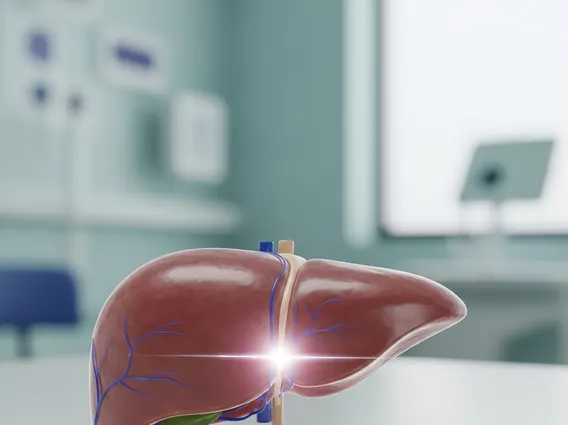
Hepatic Arterial Occlusion refers to the partial or complete blockage of the hepatic artery, a critical vessel that supplies oxygenated blood to the liver. The liver receives a dual blood supply: approximately 75% from the portal vein, rich in nutrients from the digestive tract, and about 25% from the hepatic artery, which provides oxygenated blood. While the portal vein contributes the majority of the liver’s blood volume, the hepatic artery is essential for the oxygenation of the biliary tree and certain liver cells, especially those in the periphery of the liver lobules. An occlusion in this artery can severely compromise liver function, leading to ischemia (lack of blood supply) and potential necrosis (tissue death) if collateral blood flow is insufficient. This condition is particularly critical in situations where the liver’s compensatory mechanisms are impaired, such as in liver transplant recipients or patients undergoing certain cancer therapies.
Causes and Symptoms of Hepatic Arterial Occlusion
Understanding the causes of hepatic arterial occlusion is vital for diagnosis and management. The blockage can arise from various factors, often involving the formation of a clot or external compression. Common causes include:
- Thrombosis: Formation of a blood clot within the hepatic artery itself, often due to underlying conditions that promote clotting, such as hypercoagulable states, atherosclerosis, or inflammation.
- Embolism: A clot or other material (e.g., fat, air, tumor cells) that travels from another part of the body and lodges in the hepatic artery.
- Iatrogenic Injury: Complications arising from medical procedures, such as liver transplantation (where hepatic artery thrombosis is a significant concern), angiography, or certain interventional radiology procedures.
- Vasculitis: Inflammation of blood vessels, which can lead to narrowing or occlusion.
- External Compression: Rarely, a tumor or mass near the hepatic artery can compress it, leading to reduced blood flow.
The symptoms of hepatic arterial occlusion can vary widely depending on the extent of the blockage, the presence of collateral circulation, and the patient’s overall liver health. In some cases, especially if the occlusion is partial or develops slowly, symptoms may be subtle or absent. However, acute or complete occlusion often presents with significant clinical manifestations. Common symptoms include:
- Severe abdominal pain, often localized to the upper right quadrant.
- Fever and chills, indicating inflammation or infection.
- Nausea and vomiting.
- Jaundice, characterized by yellowing of the skin and eyes, due to impaired liver function.
- Elevated liver enzymes (e.g., AST, ALT, alkaline phosphatase) on blood tests, indicating liver cell damage.
- In severe cases, signs of liver failure, such as ascites (fluid accumulation in the abdomen), encephalopathy (brain dysfunction), or sepsis.
Prompt recognition of these symptoms is crucial for early intervention and to prevent irreversible liver damage.
Treatment for Hepatic Arterial Occlusion
Effective hepatic arterial occlusion treatment aims to restore blood flow to the liver, prevent further damage, and manage any complications that arise. The specific approach depends on the underlying cause of the occlusion, its severity, and the patient’s overall health status. Early diagnosis, often confirmed through imaging techniques such as computed tomography (CT) angiography, magnetic resonance angiography (MRA), or conventional angiography, is critical for guiding treatment decisions.
Treatment options may include:
- Anticoagulation Therapy: For occlusions caused by thrombosis, anticoagulant medications (e.g., heparin, warfarin) are often prescribed to prevent the clot from enlarging and to reduce the risk of new clot formation.
- Thrombolysis: In some acute cases, thrombolytic agents (clot-dissolving drugs) may be administered directly into the occluded artery via a catheter to break down the clot and restore blood flow. This procedure carries risks and is carefully considered based on patient eligibility.
- Surgical or Endovascular Intervention: In select cases, surgical revascularization (e.g., bypass grafting) or endovascular procedures (e.g., angioplasty with stent placement) may be considered to physically remove the blockage or widen the narrowed artery. These interventions are complex and typically reserved for specific situations, such as post-transplant hepatic artery thrombosis.
- Supportive Care: Managing symptoms and complications is a key part of treatment. This includes pain management, antibiotics for infection, and supportive measures for liver dysfunction, such as fluid management and nutritional support.
- Liver Transplantation: In rare and severe cases where extensive liver damage has occurred and other treatments are unsuccessful, a liver transplant may be the only viable option, particularly if the patient develops irreversible liver failure.
The prognosis for hepatic arterial occlusion varies widely depending on the speed of diagnosis, the effectiveness of treatment, and the extent of liver damage. Close monitoring and a multidisciplinary approach involving hepatologists, interventional radiologists, and surgeons are often necessary to optimize patient outcomes.