
Hemorrhoid
Hemorrhoid refers to a common medical condition characterized by swollen veins in the rectum and anus, which can lead to discomfort, pain, and bleeding. Understanding this condition is crucial for effective management and relief.
Key Takeaways
- Hemorrhoids are swollen veins in the lower rectum and anus, affecting a significant portion of the adult population.
- They are classified as internal or external, each presenting with distinct symptoms like bleeding, itching, or pain.
- Common causes include straining during bowel movements, prolonged sitting, and pregnancy.
- Treatment options range from lifestyle changes and over-the-counter remedies to medical procedures for severe cases.
- Effective pain relief involves a combination of home care and medical interventions.
What is Hemorrhoid?
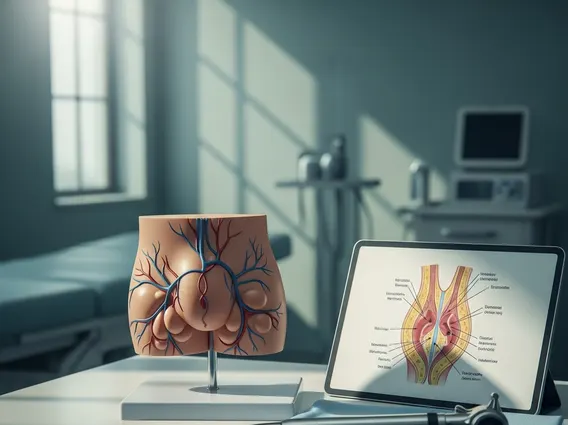
Hemorrhoid is a condition where veins in the lower rectum and anus become swollen and inflamed. These veins, also known as piles, can develop inside the rectum (internal hemorrhoids) or under the skin around the anus (external hemorrhoids). It is a very common condition, with studies indicating that approximately 1 in 20 Americans experience hemorrhoids, and about half of adults over age 50 will have them at some point, according to the National Institute of Diabetes and Digestive and Kidney Diseases (NIDDK).
While often benign, hemorrhoids can cause significant discomfort and impact quality of life. The condition results from increased pressure in the lower rectum, leading to the stretching and bulging of blood vessels. Early recognition and appropriate management are key to alleviating symptoms and preventing complications.
Types, Symptoms, and Causes of Hemorrhoids
Understanding the different types of hemorrhoids is essential for proper diagnosis and treatment. Hemorrhoids are primarily categorized by their location, which also dictates their typical presentation and symptoms.
Different Types of Hemorrhoids
- Internal Hemorrhoids: These develop inside the rectum and are usually painless because there are few pain-sensing nerves in that area. The most common sign of internal hemorrhoids is bright red blood on stool, toilet paper, or in the toilet bowl after a bowel movement. They can sometimes prolapse, meaning they push through the anal opening, which may cause pain or discomfort.
- External Hemorrhoids: These form under the skin around the anus, where there are more pain-sensing nerves. They can cause itching, pain, and swelling. If a blood clot forms inside an external hemorrhoid, it can become a thrombosed hemorrhoid, leading to severe pain, swelling, and a hard lump near the anus.
The symptoms associated with hemorrhoids can vary depending on their type and severity. Common indicators of hemorrhoid symptoms causes and treatment include:
- Painless bleeding during bowel movements, often noticed as bright red blood.
- Itching or irritation in the anal region.
- Pain or discomfort, especially with external or thrombosed hemorrhoids.
- Swelling around the anus.
- A lump or bulge near the anus, which may be sensitive or painful.
Several factors contribute to the development of hemorrhoids by increasing pressure in the lower rectum. The primary causes include:
- Straining during bowel movements, often due to constipation.
- Prolonged sitting on the toilet.
- Chronic diarrhea or constipation.
- Obesity.
- Pregnancy, due to increased pressure from the uterus and hormonal changes.
- A diet low in fiber.
Hemorrhoid Treatment and Pain Relief
Effective hemorrhoid treatment and pain relief often begins with conservative measures and lifestyle adjustments. For many individuals, these approaches are sufficient to manage symptoms and promote healing. However, more advanced medical interventions may be necessary for persistent or severe cases.
How to Relieve Hemorrhoid Pain
Relieving hemorrhoid pain typically involves a combination of home remedies and over-the-counter options. These strategies aim to reduce inflammation, soothe irritation, and ease discomfort:
- Sitz Baths: Soaking the anal area in warm water for 10-15 minutes, several times a day, can help reduce pain and swelling.
- Topical Treatments: Over-the-counter creams, ointments, or suppositories containing hydrocortisone or witch hazel can provide temporary relief from pain and itching.
- Pain Relievers: Oral pain relievers like ibuprofen or acetaminophen can help manage discomfort.
- Cold Compresses: Applying ice packs or cold compresses to the anal area can reduce swelling and numb the pain.
- Fiber-Rich Diet: Increasing dietary fiber intake through fruits, vegetables, and whole grains, along with adequate fluid intake, helps soften stools and prevent straining.
When conservative treatments are insufficient, medical procedures may be recommended. These range from minimally invasive office procedures to surgical interventions:
For internal hemorrhoids, common procedures include rubber band ligation, where a small rubber band is placed around the base of the hemorrhoid to cut off its blood supply, causing it to wither and fall off. Sclerotherapy involves injecting a solution into the hemorrhoid to shrink it. Infrared coagulation uses infrared light to coagulate the blood within the hemorrhoid, causing it to retract.
For larger or severe hemorrhoids, especially those that prolapse or are thrombosed, surgical options like hemorrhoidectomy (surgical removal of the hemorrhoid) or stapled hemorrhoidopexy (a procedure that repositions prolapsed hemorrhoids) may be considered. These procedures are typically reserved for cases that do not respond to other treatments or when complications arise.



















