
Head And Neck Cancer
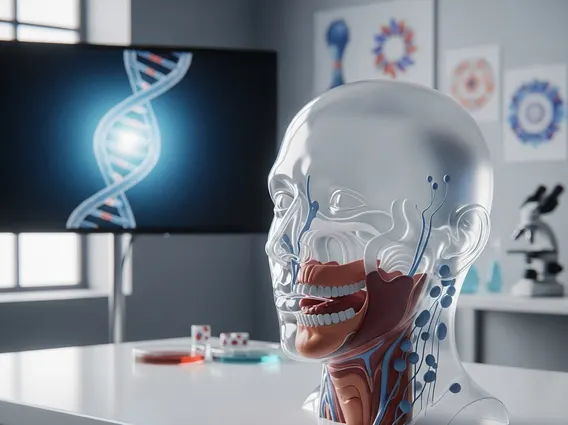
Head And Neck Cancer encompasses a group of cancers that originate in the head and neck region, excluding the brain and eyes. These cancers can affect vital functions such as breathing, eating, and speaking, making early detection and effective treatment crucial.
Key Takeaways
- Head And Neck Cancer refers to a diverse group of cancers affecting the mouth, throat, voice box, sinuses, and salivary glands.
- Common risk factors include tobacco and alcohol use, as well as Human Papillomavirus (HPV) infection.
- Symptoms can vary but often include persistent sore throat, difficulty swallowing, voice changes, or a lump in the neck.
- Early diagnosis is vital for successful outcomes, emphasizing the importance of recognizing potential signs.
- Treatment typically involves a multidisciplinary approach, combining surgery, radiation, chemotherapy, and other targeted therapies.
What is Head And Neck Cancer?
Head And Neck Cancer refers to a category of cancers that develop in the tissues and organs of the head and neck area. These cancers typically begin in the squamous cells that line the moist surfaces inside the head and neck, such as the mouth, throat, and voice box. The specific locations where these cancers can arise include the oral cavity (lips, tongue, gums), pharynx (throat), larynx (voice box), nasal cavity, paranasal sinuses, and salivary glands. According to the American Cancer Society, head and neck cancers account for approximately 4% of all cancers in the United States, with a higher incidence in men.
Understanding the specific type and location of the cancer is critical for diagnosis and treatment planning. While diverse in their exact origin, these cancers share common risk factors and often present with similar symptoms, necessitating a comprehensive approach to patient care.
Recognizing Head And Neck Cancer: Symptoms and Risk Factors
Recognizing the symptoms of head and neck cancer is crucial for early detection, which significantly improves treatment outcomes. Symptoms can vary depending on the cancer’s location but often include persistent changes that do not resolve. Common indicators may include:
- A sore in the mouth or on the tongue that does not heal.
- A persistent sore throat or difficulty swallowing (dysphagia).
- Changes in voice, such as hoarseness, that lasts for more than two weeks.
- A lump or mass in the neck or mouth.
- Persistent nasal congestion, nosebleeds, or pain in the face.
- Unexplained weight loss or fatigue.
The primary causes of head and neck cancer are strongly linked to certain lifestyle factors. Tobacco use, including cigarettes, cigars, pipes, and smokeless tobacco, is a major risk factor. Heavy alcohol consumption also significantly increases risk, especially when combined with tobacco. Another growing cause is infection with the Human Papillomavirus (HPV), particularly HPV-16, which is increasingly associated with oropharyngeal cancers (cancers of the back of the throat, including the tonsils and base of the tongue). Other risk factors include exposure to certain industrial toxins, radiation exposure, and poor oral hygiene.
Treatment Approaches for Head And Neck Cancer
The approach to head and neck cancer treatment is highly individualized, depending on the cancer’s location, stage, and the patient’s overall health. Treatment plans are typically developed by a multidisciplinary team of specialists, including surgeons, radiation oncologists, medical oncologists, and supportive care professionals. The primary treatment modalities often include:
Surgery is frequently the first line of treatment, aiming to remove the tumor and a margin of healthy tissue around it. For larger tumors or those that have spread to lymph nodes, surgery may be extensive and involve reconstruction. Radiation therapy uses high-energy rays to kill cancer cells, either as a primary treatment, after surgery to eliminate remaining cancer cells, or to alleviate symptoms. Chemotherapy, which uses drugs to kill cancer cells, may be administered before, during, or after radiation therapy, or for advanced cancers that have spread.
In recent years, targeted therapy and immunotherapy have emerged as important options. Targeted therapy drugs focus on specific molecules involved in cancer growth and progression, while immunotherapy helps the body’s immune system fight cancer. The combination of these therapies is often tailored to maximize effectiveness while minimizing side effects, aiming to achieve the best possible outcome for patients.



















