Cisplatin: Uses, Side Effects & Warnings
Cisplatin is a potent chemotherapy drug widely used in the treatment of various cancers. This platinum-based compound works by interfering with DNA replication, ultimately leading to the death of rapidly dividing cancer cells. Understanding its applications, potential side effects, and necessary precautions is crucial for patients undergoing treatment.
Key Takeaways
- Cisplatin is a platinum-based chemotherapy drug effective against a range of solid tumors.
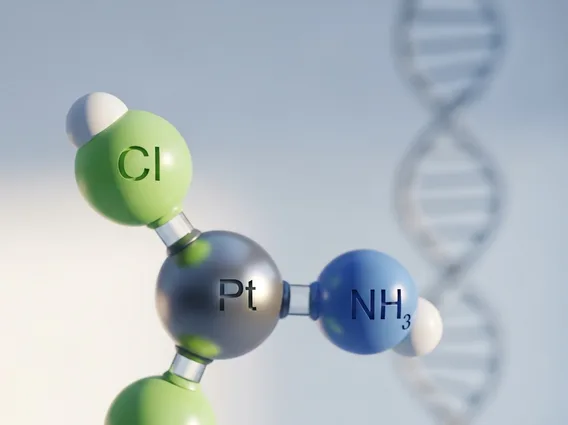
- It functions by damaging cancer cell DNA, inhibiting their growth and division.
- Significant side effects include kidney damage, hearing loss, nausea, and nerve problems.
- Close monitoring and supportive care are essential to manage adverse reactions.
- Patients must adhere to all warnings and precautions, including hydration and regular medical check-ups.
What is Cisplatin Used For?
Cisplatin is a powerful chemotherapy drug primarily utilized in the treatment of several types of cancer. It belongs to a class of compounds known as platinum-based antineoplastics, which work by cross-linking DNA in cancer cells, thereby inhibiting DNA synthesis and repair, and ultimately triggering programmed cell death (apoptosis).
The primary Cisplatin uses and indications encompass a broad spectrum of solid tumors. It is frequently employed, either alone or in combination with other chemotherapeutic agents, for cancers such as testicular cancer, ovarian cancer, bladder cancer, and head and neck cancers. Its efficacy has also been demonstrated in certain types of lung cancer, particularly non-small cell lung cancer, and cervical cancer. The specific regimen and dosage depend on the type and stage of cancer, as well as the patient’s overall health.
As a critical component of Cisplatin chemotherapy drug information, it’s important to note that its administration is typically intravenous, requiring careful monitoring by healthcare professionals. The drug’s mechanism of action targets rapidly dividing cells, which unfortunately includes both cancerous cells and some healthy cells, leading to its characteristic side effect profile. Its role in modern oncology is significant, often forming the backbone of treatment protocols for highly aggressive malignancies.
Potential Side Effects and Adverse Reactions
Like many potent chemotherapy agents, Cisplatin is associated with a range of potential side effects and adverse reactions due to its impact on healthy, rapidly dividing cells in the body. The severity and incidence of these reactions can vary significantly among individuals, depending on the dosage, duration of treatment, and individual patient factors.
A comprehensive Cisplatin side effects list includes several common and often challenging issues. Nausea and vomiting are among the most prevalent, often severe, and typically managed with antiemetic medications. Nephrotoxicity, or kidney damage, is another significant concern, necessitating aggressive hydration protocols before and after administration to minimize risk. Ototoxicity, leading to hearing loss or tinnitus, can also occur, particularly in higher doses or in pediatric patients. Myelosuppression, a decrease in bone marrow activity resulting in reduced blood cell counts (anemia, leukopenia, thrombocytopenia), can increase the risk of infection, fatigue, and bleeding.
Beyond the more common issues, other Cisplatin adverse reactions can include peripheral neuropathy, characterized by numbness, tingling, or pain in the hands and feet, which can sometimes be irreversible. Electrolyte disturbances, such as hypomagnesemia, hypokalemia, and hypocalcemia, are also frequently observed and require careful monitoring and supplementation. Less common but serious effects can involve allergic reactions, liver toxicity, and visual disturbances. Patients are closely monitored throughout their treatment course to detect and manage these adverse effects promptly.
Common and Severe Adverse Effects
The spectrum of adverse effects from Cisplatin ranges from manageable to life-threatening. Understanding these is crucial for patient care and supportive therapy. The most frequently encountered adverse effects include:
- Nausea and Vomiting: Often severe and anticipatory, requiring aggressive antiemetic prophylaxis.
- Nephrotoxicity: Damage to the kidneys, a dose-limiting toxicity that mandates pre- and post-hydration.
- Ototoxicity: Hearing impairment, including high-frequency hearing loss and tinnitus, which can be permanent.
- Myelosuppression: Suppression of bone marrow function, leading to anemia, neutropenia (low white blood cells), and thrombocytopenia (low platelets).
- Peripheral Neuropathy: Nerve damage causing numbness, tingling, and pain, predominantly in the extremities.
- Electrolyte Imbalances: Notably hypomagnesemia, hypokalemia, and hypocalcemia, requiring vigilant monitoring.
While these are some of the most common, patients may experience other effects, and it is vital to report any new or worsening symptoms to their healthcare team immediately. The management of these side effects is a critical aspect of ensuring patient safety and treatment adherence.
Managing and Monitoring Side Effects
Effective management of Cisplatin’s side effects is integral to successful treatment and maintaining patient quality of life. Proactive measures include aggressive hydration to prevent nephrotoxicity and the use of potent antiemetics to control nausea and vomiting. Regular blood tests are crucial for monitoring myelosuppression, allowing for timely interventions such as growth factor support or dose adjustments if blood counts drop too low. Audiometric tests and neurological assessments help track ototoxicity and neuropathy, respectively, enabling early detection and potential mitigation strategies. Patients are also educated on self-care strategies and encouraged to report any new or worsening symptoms immediately to their healthcare team for prompt evaluation and management.
Important Warnings and Precautions
Given the potent nature of Cisplatin, a strict adherence to important warnings and precautions is paramount to ensure patient safety and optimize therapeutic outcomes. Healthcare providers must carefully assess a patient’s baseline health status, including renal function, hearing, and neurological status, before initiating treatment. Regular monitoring throughout the treatment course is essential to detect early signs of toxicity and intervene promptly.
The primary Cisplatin warnings and precautions revolve around its significant potential for nephrotoxicity, ototoxicity, and neurotoxicity. To mitigate kidney damage, patients typically receive extensive hydration with intravenous fluids before, during, and after Cisplatin administration. Renal function tests (e.g., serum creatinine, creatinine clearance) are performed frequently. Patients with pre-existing renal impairment may require dose adjustments or alternative treatments. Similarly, audiometric testing is often recommended before and during treatment to monitor for hearing loss, especially in pediatric patients who may be more susceptible.
Other crucial precautions include monitoring for myelosuppression through regular complete blood counts, as this can increase the risk of serious infections and bleeding. Patients should be advised to report any signs of infection (fever, chills) or unusual bleeding/bruising immediately. Careful management of electrolyte imbalances, particularly magnesium, potassium, and calcium, is also critical. Women of childbearing potential and men should use effective contraception during and for a period after Cisplatin treatment due to its potential teratogenic and genotoxic effects. Pregnant or breastfeeding individuals should not receive Cisplatin due to the high risk of harm to the fetus or infant.
Patient Information for Cisplatin Treatment
Receiving Cisplatin treatment involves a comprehensive approach that extends beyond the administration of the drug itself. Patients play an active role in their care by understanding the treatment process, potential side effects, and how to manage them. A detailed Cisplatin patient guide is typically provided by healthcare teams, outlining what to expect before, during, and after each cycle of chemotherapy.
Key aspects of patient information include understanding the importance of hydration, both intravenously during treatment and orally at home, to protect kidney function. Patients should be educated on common side effects like nausea and vomiting and provided with antiemetic medications and strategies to manage them effectively. Reporting any new or worsening symptoms, such as changes in hearing, numbness or tingling, fever, or unusual bleeding, to the healthcare team without delay is crucial for timely intervention and management. Dietary advice, including avoiding certain foods that might exacerbate nausea, may also be provided.
Furthermore, patients are advised on lifestyle adjustments during treatment, such as avoiding crowded places to minimize infection risk due to a weakened immune system. The importance of maintaining good oral hygiene to prevent mouth sores and infections is also emphasized. Emotional support and resources for coping with the challenges of chemotherapy are often part of a holistic patient guide. Open communication with doctors, nurses, and pharmacists is vital for addressing concerns and ensuring the best possible treatment experience and outcomes.
Frequently Asked Questions
How does Cisplatin work to fight cancer?
Cisplatin is a platinum-based chemotherapy drug that primarily targets cancer cells by interfering with their DNA. It forms cross-links within the DNA strands, which prevents the cells from replicating and repairing themselves effectively. This DNA damage triggers a process called apoptosis, or programmed cell death, specifically in rapidly dividing cancer cells. By disrupting the genetic material essential for cell survival and proliferation, Cisplatin effectively inhibits tumor growth and helps to shrink cancerous masses.
What are the most serious side effects of Cisplatin?
The most serious side effects of Cisplatin include significant kidney damage (nephrotoxicity), which requires extensive hydration to prevent. Hearing loss (ototoxicity), sometimes permanent, and nerve damage (peripheral neuropathy) causing numbness and tingling are also major concerns. Additionally, it can cause severe nausea and vomiting, and myelosuppression, leading to a reduction in blood cell counts. This increases the risk of serious infections, anemia, and bleeding. Close monitoring and supportive care are essential to manage these severe reactions.
How is Cisplatin administered, and what is the typical treatment duration?
Cisplatin is administered intravenously (IV), meaning it is given directly into a vein, typically in a hospital or clinic setting. The administration usually involves a slow infusion over several hours. The duration of treatment varies widely depending on the type and stage of cancer, the specific treatment protocol, and the patient’s response and tolerance to the drug. It is often given in cycles, with periods of treatment followed by rest periods, over several weeks or months.