Aldara (Imiquimod): Uses, Side Effects & Warnings
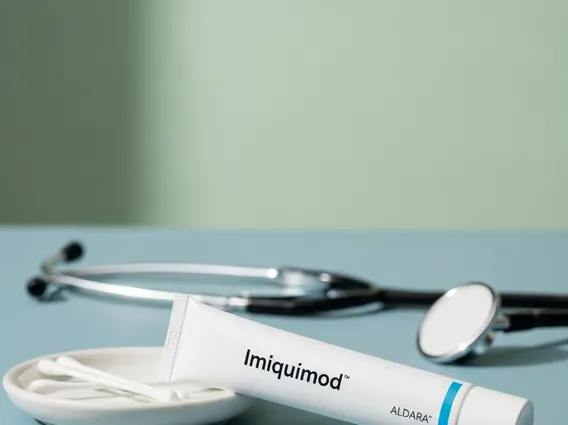
Aldara (Imiquimod) is a topical medication widely prescribed for various skin conditions. It functions as an immune response modifier, stimulating the body’s immune system to fight abnormal skin cells and viruses. This article provides comprehensive information on its uses, proper application, potential side effects, and important safety warnings to ensure informed patient care.
Key Takeaways
- Aldara (Imiquimod) is an immune response modifier cream used to treat actinic keratosis, superficial basal cell carcinoma, and external genital/perianal warts.
- Proper application involves washing hands and the treatment area, applying a thin layer, rubbing until absorbed, and washing hands again, typically before bedtime.
- Common side effects include local skin reactions like redness, itching, burning, and flaking at the application site.
- Serious warnings include avoiding contact with eyes and mucous membranes, potential for severe local reactions, and specific considerations for pregnant or breastfeeding individuals.
- Adherence to the prescribed treatment schedule and communication with a healthcare provider are crucial for managing Aldara cream benefits and risks effectively.
What is Aldara (Imiquimod) Cream Used For?
Aldara (Imiquimod) is a prescription topical cream that acts as an immune response modifier. It works by stimulating the body’s immune system to produce interferons and other cytokines, which are proteins that help fight off viruses and abnormal cell growth. This unique mechanism makes it effective for treating specific dermatological conditions where immune modulation is beneficial.
The primary Aldara cream uses include the treatment of three distinct conditions. Firstly, it is approved for external genital and perianal warts in adults, which are caused by the human papillomavirus (HPV). Secondly, it treats actinic keratosis on the face and scalp, a common precancerous skin lesion resulting from chronic sun exposure. Actinic keratosis affects over 58 million Americans annually, according to the American Academy of Dermatology, highlighting the prevalence of this condition. Thirdly, it is indicated for the treatment of superficial basal cell carcinoma, a common form of skin cancer that affects millions globally, as reported by the Skin Cancer Foundation.
Understanding what is Imiquimod cream for involves recognizing its role in addressing these specific skin issues by leveraging the body’s natural defenses. For genital warts, it helps clear the visible lesions. In actinic keratosis and superficial basal cell carcinoma, it targets and destroys the abnormal cells, preventing their progression. The effectiveness of Imiquimod cream is closely tied to consistent and correct application as prescribed by a healthcare professional.
How to Apply Imiquimod Cream: Patient Guide
Proper application of Aldara (Imiquimod) cream is crucial for its effectiveness and to minimize potential side effects. Patients should always follow their healthcare provider’s specific instructions regarding frequency and duration of treatment. Generally, the cream is applied before bedtime and left on the skin for approximately 6 to 10 hours, after which it should be washed off with mild soap and water.
For optimal results, here is a general guide on how to apply Imiquimod cream:
- Preparation: Wash your hands thoroughly with soap and water before and after applying the cream. Cleanse the treatment area with mild soap and water, and allow it to dry completely for at least 15 minutes before application.
- Application: Open a new single-use packet of Aldara cream. Squeeze a small amount onto your fingertip. Apply a thin layer of the cream only to the affected area(s) as directed by your doctor. Gently rub the cream into the skin until it is no longer visible.
- Coverage: Do not apply more cream than prescribed. Avoid applying the cream to internal surfaces, open wounds, or areas of skin that are not affected by the condition being treated.
- Post-Application: Discard any unused cream remaining in the packet. Do not save open packets for future use. Wash your hands again thoroughly after applying the cream.
- Duration: Leave the cream on for the prescribed duration (typically 6-10 hours). After this period, wash the treated area with mild soap and water to remove the cream.
This Aldara cream patient information emphasizes that consistency is key. Missing doses can reduce efficacy, while applying too much or too often can increase the risk of severe local skin reactions. Always consult your doctor or pharmacist if you have any questions about the application process or specific instructions for your condition.
Aldara Cream Side Effects and Safety Warnings
Like all medications, Aldara (Imiquimod) cream can cause side effects, although not everyone experiences them. It is important for patients to be aware of both common and more serious reactions. The most frequently reported adverse effects are local skin reactions at the application site, which are often a sign that the medication is working by stimulating the immune system.
A comprehensive Imiquimod side effects list includes common reactions such as redness (erythema), itching (pruritus), burning, irritation, flaking, dryness, scabbing, and swelling. These reactions are typically mild to moderate and tend to resolve after treatment discontinuation. However, severe local inflammatory reactions, including skin erosion, ulceration, and blistering, can occur and may require temporary cessation of treatment or dose adjustment under medical supervision. Some patients may also experience flu-like symptoms, headache, or muscle aches, though these are less common.
Several Aldara cream warnings and precautions are crucial for patient safety. The cream should not be used on open wounds or broken skin. It is essential to avoid contact with eyes, nostrils, lips, and other mucous membranes, as Imiquimod can cause severe irritation in these areas. Patients should also avoid sexual contact while the cream is on the skin when treating external genital warts, as it may weaken condoms and diaphragms and could be irritating to a partner. Pregnant or breastfeeding individuals should discuss the potential Aldara cream benefits and risks with their healthcare provider, as its safety in these populations has not been fully established.
Patients should immediately contact their doctor if they experience severe pain, bleeding, or blistering, or if the local skin reaction becomes intolerable. Prolonged or excessive use can lead to more severe systemic absorption and adverse effects. It is vital to adhere strictly to the prescribed treatment regimen and to inform your healthcare provider about any existing medical conditions or other medications you are taking to prevent potential interactions or complications.
Frequently Asked Questions
What should I do if I miss a dose of Aldara cream?
If you miss a dose of Aldara (Imiquimod) cream, apply it as soon as you remember, unless it is almost time for your next scheduled dose. In that case, skip the missed dose and continue with your regular schedule. Do not apply a double dose to make up for a missed one. Consistency is important for treatment efficacy, but excessive application can increase side effects. Always consult your doctor for specific guidance if you frequently miss doses.
Can Aldara cream be used for any type of wart?
No, Aldara (Imiquimod) cream is specifically approved for the treatment of external genital and perianal warts. It is not indicated for the treatment of common warts, plantar warts, or warts on other parts of the body. Using Imiquimod cream for conditions other than those for which it is prescribed may not be effective and could potentially lead to unnecessary side effects or complications. Always use the medication exactly as directed by your healthcare provider.
How long does it take for Aldara cream to work?
The time it takes for Aldara (Imiquimod) cream to show results varies depending on the condition being treated and individual patient response. For external genital warts, treatment typically lasts until the warts clear, which can be up to 16 weeks. For actinic keratosis, treatment usually continues for 16 weeks, while superficial basal cell carcinoma may require 6 weeks of treatment. It is crucial to complete the full course of treatment as prescribed by your doctor, even if you see improvement sooner.