Ectopic Pregnancy
Ectopic pregnancy is a serious medical condition that occurs when a fertilized egg implants outside the uterus. This article explores what an ectopic pregnancy entails, its symptoms, underlying causes, and available treatment options.
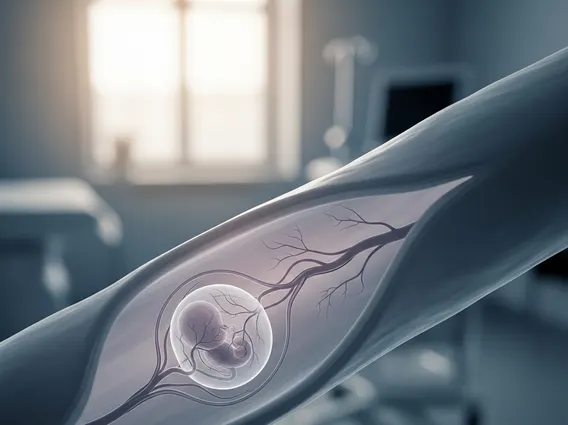
Key Takeaways
- An ectopic pregnancy occurs when a fertilized egg implants outside the uterus, most commonly in a fallopian tube.
- It is a medical emergency requiring prompt diagnosis and treatment to prevent serious complications.
- Common symptoms include pelvic pain, vaginal bleeding, and referred shoulder pain.
- Risk factors include previous ectopic pregnancies, pelvic inflammatory disease, and certain fertility treatments.
- Treatment options range from medication to surgical intervention, depending on the pregnancy’s stage and the patient’s condition.
What is Ectopic Pregnancy?
Ectopic pregnancy refers to a condition where a fertilized egg implants and grows outside the main cavity of the uterus. While most pregnancies implant within the uterus, an ectopic implantation typically occurs in a fallopian tube, which connects the ovaries to the uterus. This type of pregnancy cannot proceed normally because the fallopian tube is not designed to accommodate a growing embryo, leading to a rupture if left untreated. Ectopic pregnancies are a significant concern, accounting for 1-2% of all pregnancies and being a leading cause of pregnancy-related maternal mortality in the first trimester, according to the American College of Obstetricians and Gynecologists (ACOG).
Recognizing Ectopic Pregnancy: Symptoms and Causes
Recognizing the signs of an ectopic pregnancy early is crucial for timely intervention and better outcomes. The ectopic pregnancy symptoms can vary, but commonly include:
- Pelvic Pain: Often sharp, stabbing, or crampy pain on one side of the pelvis or abdomen.
- Vaginal Bleeding: Light or heavy vaginal bleeding that differs from a normal period.
- Shoulder Pain: Referred pain caused by internal bleeding irritating nerves under the diaphragm.
- Dizziness or Fainting: Resulting from significant blood loss.
- Rectal Pressure: A less common symptom, but can indicate internal bleeding.
Understanding the causes of ectopic pregnancy involves identifying factors that can impede the normal passage of a fertilized egg through the fallopian tube. While sometimes the cause is unknown, several risk factors increase the likelihood:
- Previous Ectopic Pregnancy: Women who have had one ectopic pregnancy are at higher risk for another.
- Pelvic Inflammatory Disease (PID): An infection of the reproductive organs, often caused by sexually transmitted infections, can damage the fallopian tubes.
- Endometriosis: A condition where tissue similar to the lining of the uterus grows outside it, potentially affecting fallopian tube function.
- Fallopian Tube Surgery: Procedures to repair or reverse tubal ligation can increase risk.
- Assisted Reproductive Technologies (ART): Such as in vitro fertilization (IVF), can slightly increase the risk, although the overall chance of pregnancy is also higher.
- Smoking: Nicotine can impair the function of the fallopian tubes.
These factors can damage or block the fallopian tubes, preventing the fertilized egg from reaching the uterus.
Ectopic Pregnancy Treatment Options
Prompt and appropriate ectopic pregnancy treatment is essential to prevent life-threatening complications, such as fallopian tube rupture and severe internal bleeding. The choice of treatment depends on several factors, including the size of the ectopic pregnancy, the patient’s symptoms, and whether the fallopian tube has ruptured.
One common approach is medical management using methotrexate. This medication works by stopping the growth of rapidly dividing cells, including those of the ectopic pregnancy, allowing the body to absorb the tissue. Methotrexate is typically used for early, stable ectopic pregnancies where the tube has not ruptured and the patient is asymptomatic or has mild symptoms.
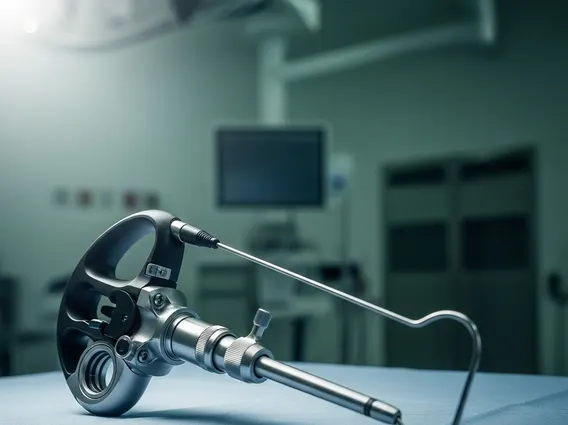
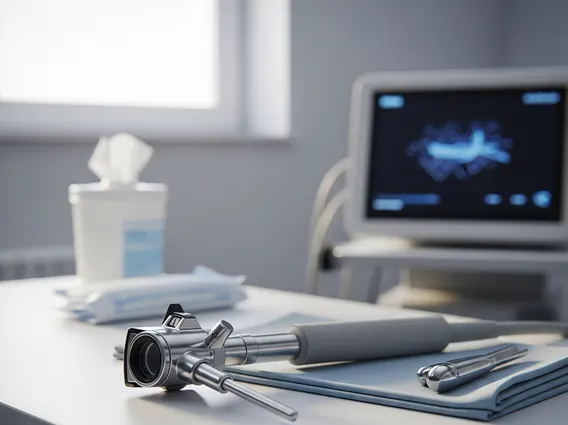
Surgical intervention is another primary treatment option, often performed via laparoscopy. During a laparoscopic procedure, a surgeon makes small incisions in the abdomen and uses a thin, lighted instrument to remove the ectopic tissue. In some cases, the affected fallopian tube may need to be removed (salpingectomy), especially if it is significantly damaged or ruptured. If the tube is healthy and the ectopic pregnancy is small, a salpingostomy may be performed, where the ectopic tissue is removed and the tube is left intact, preserving fertility potential. Surgical treatment is usually recommended for larger ectopic pregnancies, those with signs of rupture, or when medical management is not suitable or has failed.