Mosaic Down Syndrome
Mosaic Down Syndrome is a rare genetic condition that represents a unique form of Down Syndrome. It occurs when an individual has a mixture of cells, some with the typical two copies of chromosome 21 and others with three copies.
Key Takeaways
- Mosaic Down Syndrome is a less common form of Down Syndrome, characterized by the presence of two different cell lines in the body.
- Unlike typical Down Syndrome (Trisomy 21), not all cells in individuals with Mosaic Down Syndrome have an extra copy of chromosome 21.
- The severity of symptoms in Mosaic Down Syndrome can vary widely, often being milder than in full Trisomy 21, depending on the proportion and distribution of affected cells.
- The condition arises from an error in cell division that occurs after fertilization, leading to a mix of normal and trisomic cells.
- Diagnosis typically involves genetic testing, and management focuses on early intervention and supportive therapies tailored to individual needs.
What is Mosaic Down Syndrome?
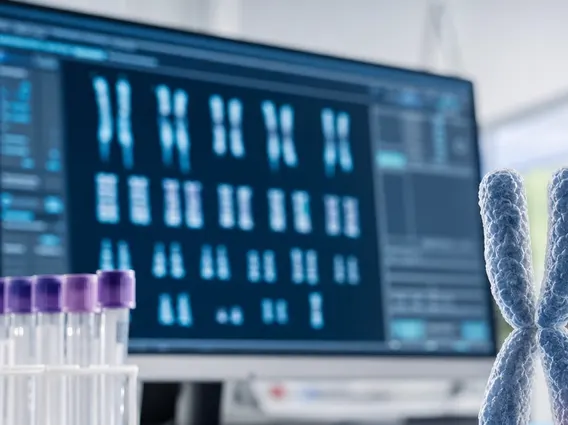
Mosaic Down Syndrome is a rare chromosomal disorder characterized by the presence of two or more genetically distinct cell lines within an individual. In this specific form of Down Syndrome, some cells in the body have the typical 46 chromosomes, including two copies of chromosome 21, while other cells have 47 chromosomes, with three copies of chromosome 21 (trisomy 21). This “mosaicism” means that the genetic makeup is not uniform across all cells, leading to a spectrum of potential health and developmental outcomes.
This condition accounts for a small percentage of all Down Syndrome cases, estimated to be between 2% and 4%, according to the National Down Syndrome Society. The presence of both normal and trisomic cells can influence the expression of the condition, making it highly variable among affected individuals. Understanding what is Mosaic Down Syndrome involves recognizing this cellular diversity and its implications for development and health.
Distinguishing Mosaic Down Syndrome from Other Forms
The primary distinction between Mosaic Down Syndrome and other forms of Down Syndrome, such as Trisomy 21 (standard Down Syndrome) and Translocation Down Syndrome, lies in its genetic basis. In Trisomy 21, every cell in the body contains an extra copy of chromosome 21. In contrast, individuals with Mosaic Down Syndrome have a mixture of cells, some with the typical two copies of chromosome 21 and others with three.
This cellular mosaicism often leads to a different clinical presentation. While individuals with Trisomy 21 typically exhibit a more consistent set of physical features and developmental delays, the characteristics of Mosaic Down Syndrome can be less predictable and often milder, depending on the proportion of trisomic cells and their distribution throughout the body. The comparison of mosaic down syndrome vs down syndrome is crucial for accurate diagnosis and prognosis.
| Feature | Trisomy 21 (Standard Down Syndrome) | Mosaic Down Syndrome |
|---|---|---|
| Genetic Basis | Extra copy of chromosome 21 in all cells (47 chromosomes total). | Extra copy of chromosome 21 in some cells, while others are normal (46 chromosomes). |
| Prevalence | Accounts for about 95% of all Down Syndrome cases. | Accounts for about 2-4% of all Down Syndrome cases. |
| Symptom Severity | Typically more consistent and often more pronounced physical features and developmental delays. | Highly variable; often, but not always, milder physical features and developmental delays due to the presence of normal cells. |
Symptoms and Causes of Mosaic Down Syndrome
The symptoms of mosaic down syndrome can vary significantly from one individual to another, largely depending on the percentage and location of cells with trisomy 21. While some individuals may exhibit the classic features associated with Down Syndrome, others may have fewer or milder characteristics. Common symptoms can include:
- Characteristic facial features (e.g., upward slanting eyes, small ears, flattened nasal bridge).
- Developmental delays, which may affect cognitive abilities, speech, and motor skills.
- Hypotonia (low muscle tone).
- Heart defects (though potentially less frequent or severe than in Trisomy 21).
- Gastrointestinal issues.
- Increased risk of certain health conditions, such as thyroid problems or hearing/vision impairments.
The causes of mosaic down syndrome are rooted in an error during cell division, specifically nondisjunction, which occurs after fertilization. Unlike Trisomy 21, where the nondisjunction event typically happens during the formation of the egg or sperm cell, mosaicism arises from an error in cell division in a developing embryo. This post-zygotic error results in some cells retaining the normal two copies of chromosome 21, while others acquire an extra copy, leading to the mixed cell population characteristic of the condition.