
Minimally Invasive Surgery
Minimally Invasive Surgery represents a significant advancement in modern medicine, offering patients less invasive alternatives to traditional open surgical procedures. This approach utilizes specialized techniques and instruments to perform operations through small incisions, leading to numerous patient benefits.
Key Takeaways
- Minimally Invasive Surgery (MIS) involves smaller incisions, specialized tools, and cameras to perform operations, reducing trauma compared to open surgery.
- The primary benefits of minimally invasive surgery include reduced pain, smaller scars, shorter hospital stays, and quicker recovery times.
- Common types of minimally invasive surgery include laparoscopic, endoscopic, robotic-assisted, and thoracoscopic procedures, each tailored to different parts of the body.
- Minimally invasive surgery recovery is generally faster and less painful, allowing patients to return to daily activities more quickly.
- MIS continues to evolve, expanding its applications across various medical specialties and improving patient outcomes.
What is Minimally Invasive Surgery (MIS)?
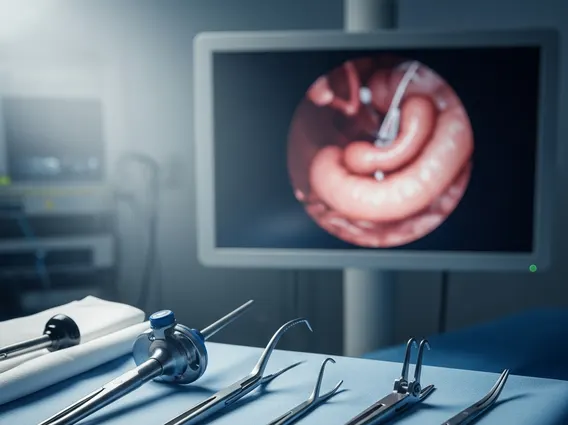
Minimally Invasive Surgery (MIS) refers to a range of surgical techniques that aim to reduce the size of incisions and the degree of tissue disruption required to perform an operation. Unlike traditional open surgery, which often involves a large incision to provide the surgeon with a direct view and access to the surgical site, MIS uses small incisions, typically a few millimeters to a centimeter in length. Through these small openings, surgeons insert specialized instruments and a tiny camera (endoscope) that transmits real-time images to a monitor, guiding the procedure. This method allows for precise surgical work while minimizing trauma to surrounding tissues.
The core principle behind MIS is to achieve the surgical objective with the least possible impact on the patient’s body. This approach has revolutionized many surgical fields by offering a less aggressive alternative for various conditions, from gallbladder removal to complex cardiac procedures. The reduced invasiveness contributes significantly to a more comfortable and efficient recovery process for patients.
Advantages and Common Types of MIS
The adoption of Minimally Invasive Surgery has grown significantly due to its compelling advantages over conventional open procedures. The primary benefits of minimally invasive surgery include reduced postoperative pain, which often translates to a decreased need for strong pain medication. Patients typically experience smaller and less noticeable scars, a lower risk of infection, and significantly shorter hospital stays. Furthermore, many studies indicate that MIS can lead to a quicker return to normal daily activities and work compared to open surgery, enhancing overall patient satisfaction and quality of life.
There are several distinct types of minimally invasive surgery, each designed for specific anatomical areas or surgical needs:
- Laparoscopic Surgery: Primarily used for procedures within the abdomen and pelvis, such as appendectomies, cholecystectomies (gallbladder removal), and hernia repairs.
- Endoscopic Surgery: Involves inserting a flexible tube with a camera and light through natural body openings (e.g., mouth, anus, urethra) to examine and operate on internal organs like the gastrointestinal tract or respiratory system.
- Robotic-Assisted Surgery: A sophisticated form of laparoscopic surgery where a surgeon controls robotic arms equipped with surgical instruments and a 3D camera from a console. This technology enhances precision, dexterity, and visualization, particularly for complex procedures in urology, gynecology, and cardiac surgery.
- Thoracoscopic Surgery: Performed within the chest cavity, often used for lung resections, biopsies, or procedures involving the esophagus and mediastinum.
Minimally Invasive Surgery Recovery and Outlook
The process of minimally invasive surgery recovery is generally characterized by a faster timeline and less discomfort compared to traditional open surgery. Due to smaller incisions and less muscle disruption, patients often experience less pain, require fewer narcotics, and can mobilize sooner after the procedure. Hospital stays are typically shorter, with many MIS procedures performed on an outpatient basis or requiring only a one-to-two-day stay. Patients are usually encouraged to begin light activity soon after surgery to aid circulation and prevent complications, following specific instructions from their healthcare team.
While recovery is generally quicker, it is crucial for patients to adhere to all post-operative guidelines, including wound care, medication schedules, and activity restrictions, to ensure optimal healing. The long-term outlook for patients undergoing MIS is often excellent, with many returning to their full range of activities within weeks. The field of Minimally Invasive Surgery continues to advance rapidly, with ongoing research and technological innovations expanding its applications and further refining techniques, promising even greater benefits for future patients.



















