Mineral
Mineral refers to essential inorganic nutrients that the human body requires for a wide range of physiological processes, from bone formation to nerve function. These micronutrients are crucial for maintaining overall health and preventing various deficiencies.
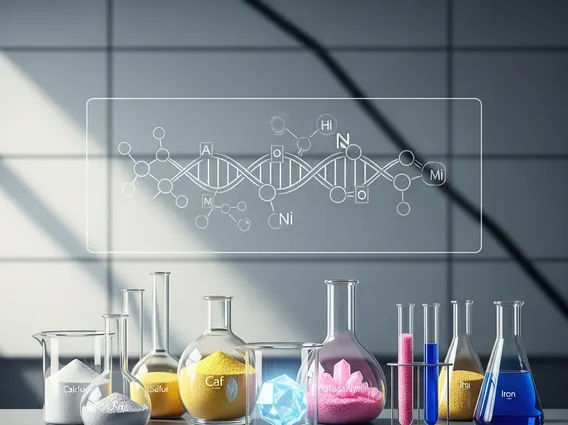
Key Takeaways
- Minerals are vital inorganic nutrients necessary for numerous bodily functions.
- They are categorized into macrominerals (needed in larger amounts) and trace minerals (needed in smaller amounts).
- Essential minerals contribute to bone health, nerve transmission, fluid balance, and enzyme activity.
- The body primarily obtains minerals through dietary intake, as it cannot synthesize most of them.
- Maintaining adequate mineral levels is critical for preventing health issues and supporting metabolic processes.
What is a Mineral?
A Mineral is an inorganic substance that the body needs in small but significant amounts to function properly. Unlike vitamins, which are organic compounds, minerals are elemental substances found in the earth and absorbed by plants, which are then consumed by humans or animals. They play indispensable roles in virtually every bodily process, acting as cofactors for enzymes, maintaining fluid balance, supporting nerve impulses, and building strong bones and teeth. The body cannot produce these essential nutrients, making dietary intake the sole source for most minerals.
Types, Uses, and Properties of Minerals
Minerals are broadly classified based on the quantity required by the body. Types of minerals and their uses vary significantly depending on their classification and specific roles. They are typically divided into macrominerals and trace minerals:
- Macrominerals: These are required in larger amounts (over 100 mg/day). Examples include:
- Calcium: Essential for bone and teeth structure, muscle function, and nerve transmission.
- Potassium: Crucial for fluid balance, nerve signals, and muscle contractions.
- Sodium: Important for fluid balance, blood pressure, and nerve function.
- Magnesium: Involved in over 300 enzymatic reactions, muscle and nerve function, and blood glucose control.
- Phosphorus: A key component of bones, teeth, and DNA, also vital for energy metabolism.
- Trace Minerals: These are needed in smaller amounts (less than 100 mg/day). Examples include:
- Iron: Central to oxygen transport in red blood cells.
- Zinc: Important for immune function, wound healing, and DNA synthesis.
- Selenium: Acts as an antioxidant and supports thyroid function.
- Copper: Involved in iron metabolism and enzyme activity.
- Iodine: Essential for thyroid hormone production.
The properties of minerals in a biological context relate to their chemical forms, bioavailability, and interactions within the body. Bioavailability refers to the proportion of a nutrient that is absorbed from the diet and utilized for metabolic functions. For instance, some minerals compete for absorption, while others require specific cofactors (like Vitamin D for calcium) to be effectively utilized. Maintaining a balanced intake is crucial, as both deficiencies and excesses can lead to health problems. According to the World Health Organization (WHO), iron deficiency anemia affects over 1.6 billion people globally, highlighting the widespread impact of inadequate mineral intake on public health.
How Minerals Form
In the context of human physiology, the term “how minerals form” refers to the processes by which the body acquires and utilizes these essential nutrients. Unlike organic compounds that the body can synthesize, most minerals are inorganic elements that must be obtained externally. The primary method of acquisition is through dietary intake. Minerals are naturally present in soil and water, absorbed by plants, and then consumed directly by humans or indirectly through animal products.
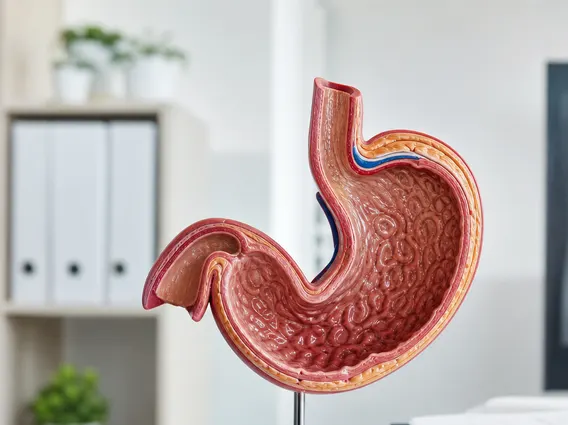
Once ingested, minerals undergo various digestive and absorptive processes in the gastrointestinal tract. Their absorption efficiency can be influenced by factors such as the presence of other dietary components, the body’s current mineral status, and the specific chemical form of the mineral. For example, heme iron from animal sources is generally more bioavailable than non-heme iron from plant sources. After absorption, minerals are transported to target tissues and cells, where they perform their specific biological functions, participate in metabolic pathways, or are stored for future use. The body tightly regulates mineral levels through homeostatic mechanisms to ensure optimal health.