MEN1 Syndrome
MEN1 Syndrome, also known as Multiple Endocrine Neoplasia type 1, is a rare inherited disorder that causes tumors to form in several endocrine glands, most commonly the parathyroid glands, pituitary gland, and pancreas.

Key Takeaways
- MEN1 Syndrome is a genetic condition characterized by the development of tumors in multiple endocrine glands.
- It is caused by a mutation in the MEN1 gene, which acts as a tumor suppressor.
- The most commonly affected glands are the parathyroid, pituitary, and pancreas, leading to various hormonal imbalances.
- Symptoms vary widely depending on the glands affected and the hormones produced by the tumors.
- Diagnosis involves biochemical tests, imaging, and genetic testing, followed by a multidisciplinary treatment approach often including surgery and medical management.
What is MEN1 Syndrome?
MEN1 Syndrome is a rare genetic disorder characterized by the predisposition to develop tumors in multiple endocrine glands. These tumors are typically benign but can sometimes be malignant, leading to an overproduction of hormones that disrupt normal bodily functions. The condition is estimated to affect approximately 1 in 30,000 people worldwide, according to the National Institute of Diabetes and Digestive and Kidney Diseases (NIDDK).
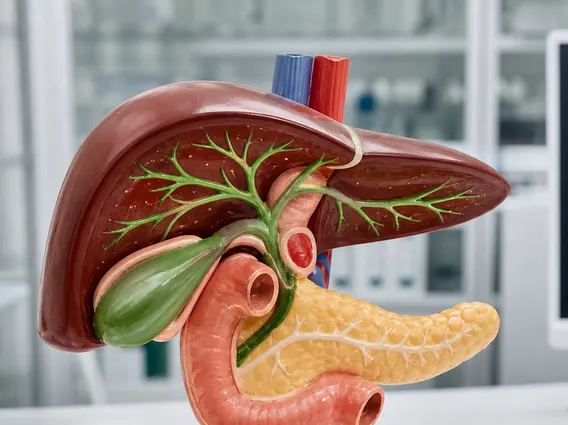
The primary glands affected in MEN1 Syndrome include the parathyroid glands, which regulate calcium levels; the pituitary gland, which controls other endocrine glands; and the pancreas, responsible for producing hormones like insulin and glucagon. Less commonly, tumors can also occur in the adrenal glands, thymus, and stomach. Due to its systemic nature, individuals with MEN1 Syndrome require lifelong monitoring and specialized care.
Symptoms and Causes of MEN1 Syndrome
The underlying cause of MEN1 syndrome causes is a germline mutation in the MEN1 gene, located on chromosome 11. This gene is a tumor suppressor, meaning its normal function is to prevent cells from growing and dividing uncontrollably. When a person inherits a mutated copy of the MEN1 gene, the remaining healthy copy can also become mutated over time, leading to the loss of tumor suppressor function and subsequent tumor development. This genetic predisposition is inherited in an autosomal dominant pattern, meaning only one copy of the mutated gene is needed for the condition to manifest, and there is a 50% chance of passing it to each child.
The MEN1 syndrome symptoms are highly variable, depending on which glands are affected and the type of hormones the tumors produce. The most common manifestations include:
- Hyperparathyroidism: Affecting over 95% of individuals, this results from overactive parathyroid glands leading to elevated blood calcium levels (hypercalcemia). Symptoms can include fatigue, increased thirst and urination, kidney stones, bone pain, and muscle weakness.
- Pancreatic Neuroendocrine Tumors (PNETs): These tumors can produce various hormones. Gastrinomas, for instance, cause excessive stomach acid production, leading to severe peptic ulcers, abdominal pain, and diarrhea (Zollinger-Ellison syndrome). Insulinomas cause hypoglycemia (low blood sugar), resulting in weakness, confusion, sweating, and seizures.
- Pituitary Adenomas: These tumors can cause headaches, visual disturbances, and hormonal imbalances. Prolactinomas, the most common type, lead to elevated prolactin levels, causing irregular menstrual periods and milk discharge (galactorrhea) in women, and impotence in men. Other pituitary tumors can affect growth hormone (acromegaly) or other pituitary hormones.
Less common tumors associated with MEN1 Syndrome include adrenal cortical tumors, thymic carcinoids, and gastric carcinoids, each presenting with their own specific set of symptoms related to their location and hormonal activity.
Diagnosing and Treating MEN1 Syndrome
The process of MEN1 syndrome diagnosis and treatment typically begins with clinical suspicion based on a patient’s symptoms, family history, or the presence of multiple endocrine tumors. Diagnosis involves a combination of biochemical tests, imaging studies, and genetic analysis.
Diagnostic steps often include:
- Biochemical Testing: Blood tests to measure hormone levels such as calcium, parathyroid hormone (PTH), gastrin, insulin, glucose, and prolactin are crucial for identifying hormonal imbalances indicative of MEN1-related tumors.
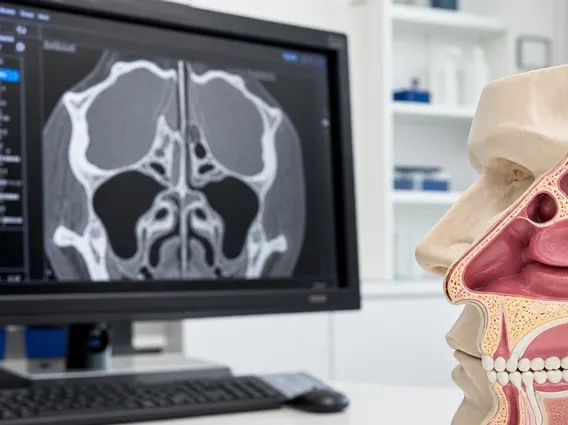
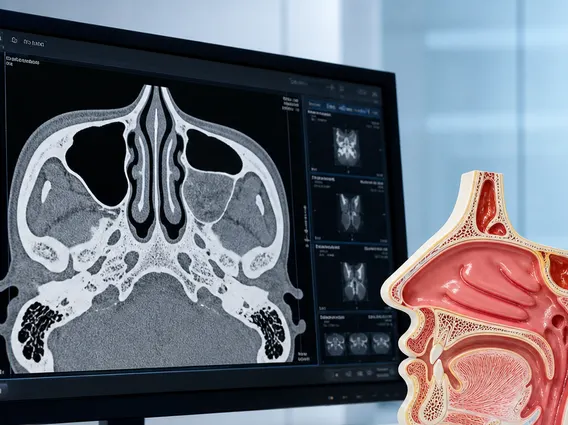
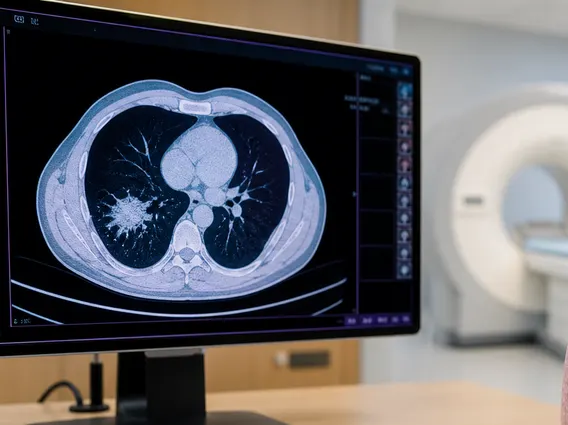
- Imaging Studies: Techniques like CT scans, MRI scans, endoscopic ultrasound, and somatostatin receptor scintigraphy (e.g., OctreoScan) are used to locate and characterize tumors in the parathyroid glands, pancreas, pituitary gland, and other affected organs.
- Genetic Testing: Confirmation of a pathogenic mutation in the MEN1 gene through genetic testing is the definitive diagnostic step. This is particularly important for screening family members of an affected individual.
Treatment for MEN1 Syndrome is complex and requires a multidisciplinary approach involving endocrinologists, surgeons, oncologists, and genetic counselors. The primary goals are to manage hormone overproduction, remove tumors when appropriate, and monitor for new tumor development. Treatment strategies include:
- Surgical Intervention: Surgery is often the mainstay for treating MEN1-related tumors. This may involve parathyroidectomy for hyperparathyroidism, resection of pancreatic neuroendocrine tumors, or transsphenoidal surgery for pituitary adenomas.
- Medical Management: Medications are used to control hormone excess or tumor growth. For instance, proton pump inhibitors can manage gastric acid secretion in gastrinoma patients, while somatostatin analogs may be used for certain pancreatic tumors.
- Lifelong Surveillance: Due to the lifelong risk of developing new tumors, individuals with MEN1 Syndrome require regular biochemical screening and imaging studies to detect and manage new lesions early.
Early diagnosis and proactive management are critical for improving outcomes and quality of life for individuals living with MEN1 Syndrome.