Marijuana
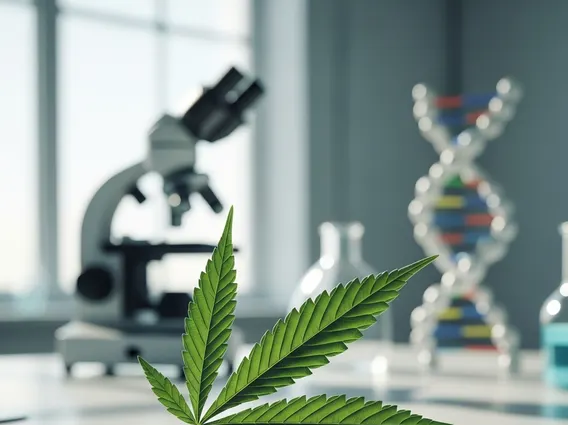
Marijuana, also known as cannabis, is a plant-derived substance with a long history of use for both medicinal and recreational purposes. Its complex chemical composition interacts with the human body in various ways, leading to a range of effects.
Key Takeaways
- Marijuana is derived from the Cannabis sativa plant, containing psychoactive compounds like THC and non-psychoactive compounds like CBD.
- Its effects vary, encompassing altered perception, impaired coordination, and potential therapeutic benefits such as pain relief and appetite stimulation.
- Risks associated with use include impaired driving, respiratory issues from smoking, and potential impacts on mental health and adolescent brain development.
- Historically, Marijuana has been used across diverse cultures for thousands of years, evolving from ancient remedies to a subject of modern medical research and policy debate.
What is Marijuana?
Marijuana refers to the dried flowers, leaves, stems, and seeds of the Cannabis sativa or Cannabis indica plant. It contains hundreds of chemical compounds, the most well-known being cannabinoids. The primary psychoactive compound is delta-9-tetrahydrocannabinol (THC), which is responsible for the “high” associated with its use. Another prominent cannabinoid is cannabidiol (CBD), which is non-psychoactive and is being studied for its potential therapeutic properties.
The plant can be consumed in various ways, including smoking, vaping, eating edibles, or applying topical preparations. The method of consumption influences the onset and duration of its effects. According to the Centers for Disease Control and Prevention (CDC), cannabis is the most commonly used federally illegal drug in the United States, with millions of people reporting use in recent years, highlighting its widespread presence.
Effects, Benefits, and Risks of Marijuana Use
The effects of marijuana on the body can be immediate and long-term, varying significantly based on the individual, the potency of the product, and the method of consumption. Short-term effects often include altered senses, changes in mood, impaired body movement, difficulty with thinking and problem-solving, and impaired memory. It can also cause an increased heart rate, which may pose risks for individuals with pre-existing heart conditions.
When considering marijuana benefits and risks, it’s important to weigh both sides. Medically, Marijuana and its derivatives have been explored for various therapeutic applications. Potential benefits include:
- Pain management, particularly for chronic pain and neuropathic pain.
- Reduction of nausea and vomiting, especially in chemotherapy patients.
- Stimulation of appetite in individuals with conditions like HIV/AIDS or cancer.
- Alleviation of muscle spasms and spasticity associated with conditions such as multiple sclerosis.
- Potential reduction in seizure frequency for certain forms of epilepsy.
However, significant risks are also associated with Marijuana use. Long-term use, especially starting in adolescence, can impact brain development, potentially affecting memory, learning, and attention. Smoking Marijuana can lead to respiratory problems similar to those caused by tobacco smoke, such as chronic bronchitis. There is also a risk of developing cannabis use disorder, which can progress to addiction. Furthermore, Marijuana use can impair judgment and motor skills, significantly increasing the risk of motor vehicle accidents.
The History of Marijuana Use
The history of marijuana use spans thousands of years and multiple continents, making it one of the oldest cultivated plants with a rich cultural legacy. Evidence suggests that cannabis was first used in Central Asia, with archaeological findings indicating its presence as early as 500 BCE in burial sites. Ancient civilizations utilized the plant for a variety of purposes, including medicinal remedies, spiritual rituals, and the production of textiles and rope from its fibers.
From Asia, its use spread to the Middle East, Africa, and eventually to Europe and the Americas. In many cultures, it was revered for its therapeutic properties, used to treat pain, inflammation, and other ailments. However, its psychoactive properties also led to its association with recreational and spiritual practices. In the 20th century, many Western countries implemented prohibition laws, largely due to social and political factors rather than scientific evidence. In recent decades, there has been a global shift in perception and policy, with many jurisdictions legalizing or decriminalizing Marijuana for medical and/or recreational use, reflecting a renewed interest in its potential applications and a re-evaluation of its societal impact.