Splenic
The spleen is a vital organ often overlooked until it is affected by disease or injury. Understanding its role is crucial for comprehending overall health and the body’s defense mechanisms.
Key Takeaways
- The spleen is an organ located in the upper left abdomen, playing key roles in the immune system and blood filtration.
- Its functions include filtering old red blood cells, storing blood components, and producing immune cells.
- Various conditions, from infections to cancers, can affect the spleen, leading to dysfunction.
- An enlarged spleen, known as splenomegaly, can manifest with symptoms like abdominal discomfort, fatigue, and easy bleeding.
- Early diagnosis and management of splenic conditions are essential for preventing complications.
What is Splenic: Anatomy and Function
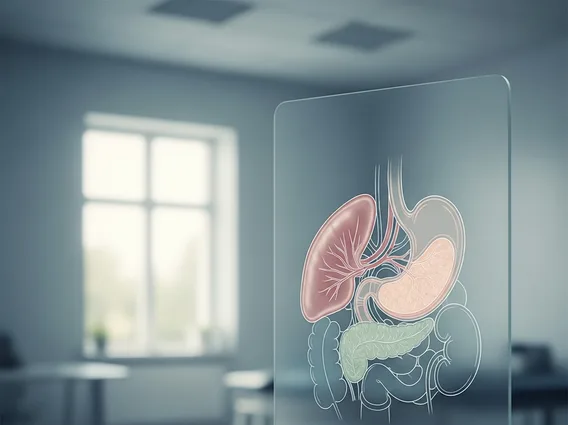
Splenic refers to anything pertaining to the spleen, a fist-sized, oval-shaped organ situated in the upper left quadrant of the abdomen, just beneath the diaphragm and behind the stomach. It is part of the lymphatic system and plays a crucial role in the body’s immune defense and blood maintenance.
The splenic anatomy and physiology are complex, involving a rich blood supply and distinct internal structures. The spleen is composed of red pulp and white pulp. The red pulp is responsible for filtering blood and removing old or damaged red blood cells, while the white pulp is involved in immune responses, producing lymphocytes and antibodies.
What is splenic function encompasses several critical roles for maintaining health. These functions include:
- Blood Filtration: Removing old, damaged, or abnormal red blood cells and platelets from circulation.
- Immune Surveillance: Identifying and destroying bacteria, viruses, and other pathogens, producing lymphocytes (a type of white blood cell) and antibodies.
- Blood Storage: Storing red blood cells and platelets, which can be released into the bloodstream during emergencies, such as significant blood loss.
- Hematopoiesis (in certain conditions): In some diseases, the spleen can produce blood cells, a function normally performed by bone marrow.
Common Diseases of the Spleen
Diseases of the spleen explained cover a range of conditions that can impair its function or alter its size. These can include infections, blood disorders, cancers, and trauma.
One common issue is splenomegaly, an enlargement of the spleen, which is often a symptom of an underlying condition rather than a disease itself. Causes of splenomegaly can include infections like mononucleosis, liver diseases such as cirrhosis leading to portal hypertension, blood cancers like leukemias and lymphomas, hemolytic anemias where red blood cells are prematurely destroyed, and rare metabolic disorders like Gaucher’s disease. Other splenic conditions include splenic rupture, often due to abdominal trauma, which is a medical emergency requiring immediate attention. Splenic infarcts, caused by a blockage of blood flow to part of the spleen, can also occur, leading to localized tissue death. According to the World Health Organization (WHO), malaria, a parasitic infection prevalent in many parts of the world, is a significant cause of splenomegaly, particularly in endemic regions.
Symptoms of an Enlarged Spleen (Splenomegaly)
The symptoms of an enlarged spleen can vary depending on the underlying cause and the degree of enlargement. In some cases, an enlarged spleen may not cause any symptoms and might only be discovered during a routine physical examination or imaging test.
When symptoms do occur, they typically include:
- Pain or fullness in the upper left abdomen, which can sometimes spread to the left shoulder.
- Feeling full after eating only a small amount, as an enlarged spleen can press on the stomach, leading to early satiety.
- Anemia, due to the spleen filtering out too many red blood cells.
- Fatigue, often a result of anemia.
- Frequent infections, as the spleen’s immune function may be compromised.
- Easy bleeding, due to a reduction in the number of platelets.
It is important to seek medical attention if these symptoms are experienced, as early diagnosis of the underlying cause of splenomegaly is crucial for effective treatment and preventing potential complications like splenic rupture.