Spinal Cord Compression
Spinal Cord Compression is a serious medical condition that occurs when the spinal cord is subjected to pressure, often leading to significant neurological deficits. Understanding its nature, symptoms, and available treatments is crucial for timely intervention and improved patient outcomes.
Glossary
- Spinal Cord Compression involves pressure on the spinal cord, potentially causing severe neurological issues.
- Symptoms can vary widely but often include pain, weakness, numbness, and bowel/bladder dysfunction.
- Common causes range from herniated discs and tumors to infections and trauma.
- Diagnosis typically involves imaging tests like MRI.
- Treatment options include medication, physical therapy, and surgery, aiming to relieve pressure and restore function.
What is Spinal Cord Compression?
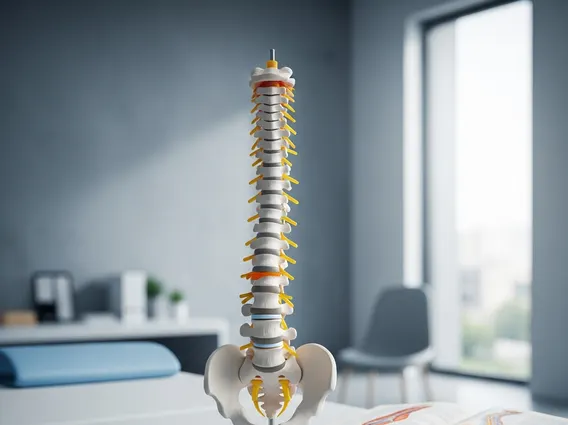
Spinal Cord Compression refers to a medical condition where the spinal cord, a vital bundle of nerves extending from the brain, is subjected to pressure or impingement. This pressure can disrupt the normal flow of nerve signals between the brain and the rest of the body, leading to a range of neurological symptoms. The severity of the condition depends on the location, extent, and duration of the compression, making prompt medical evaluation critical to prevent permanent damage.
Symptoms and Causes of Spinal Cord Compression
The symptoms of spinal cord compression can manifest differently depending on the location of the compression along the spine (cervical, thoracic, or lumbar) and the degree of pressure exerted. Common indicators include localized pain, often radiating, muscle weakness, numbness, tingling sensations, and loss of sensation. In severe cases, individuals may experience difficulty walking, loss of balance, or even bowel and bladder dysfunction, which are considered medical emergencies. Neurological deficits can progress rapidly, emphasizing the need for early diagnosis.
Several factors can lead to causes of spinal cord compression. These can be broadly categorized as:
- Degenerative Conditions: Herniated discs, spinal stenosis (narrowing of the spinal canal due to bone spurs or thickened ligaments), and arthritis.
- Trauma: Injuries from falls, accidents, or sports causing fractures, dislocations, or hematomas.
- Tumors: Both cancerous and non-cancerous growths in or near the spine, including metastatic tumors.
- Infections: Abscesses or inflammatory conditions like epidural abscesses.
- Deformities: Severe scoliosis or kyphosis altering spinal alignment.
Treatment Options for Spinal Cord Compression
Effective spinal cord compression treatment aims to relieve pressure on the spinal cord, alleviate symptoms, and prevent further neurological damage. The specific approach depends on the underlying cause, severity, and the patient’s overall health. Treatment strategies often involve a combination of medical, rehabilitative, and surgical interventions.
Here are common treatment options:
- Medications: Anti-inflammatory drugs, muscle relaxants, pain relievers, and corticosteroids to reduce swelling.
- Physical Therapy: To strengthen muscles, improve flexibility, and restore mobility, especially post-surgery.
- Bracing: To stabilize the spine and limit movement, thereby reducing pressure.
- Surgery: Often necessary for severe or progressive compression, including laminectomy, discectomy, and fusion to decompress and stabilize the spine.
- Radiation Therapy: Used for tumor-induced compression to shrink growths and reduce pressure.
Early diagnosis and appropriate treatment are vital for improving outcomes and preventing long-term disability associated with spinal cord compression.