Somatic Variant
A Somatic Variant refers to a genetic alteration that occurs after conception and is not inherited from a parent. These variants arise in somatic cells—any cell of the body except sperm and egg cells—and are not passed on to offspring.
Key Takeaways
- Somatic Variant is a genetic change acquired during a person’s lifetime, not inherited.
- These variants occur in non-reproductive cells and are not passed down to future generations.
- They play a significant role in the development and progression of various diseases, most notably cancer.
- Somatic variants differ fundamentally from germline variants, which are inherited and present in every cell.
- Mechanisms like DNA replication errors, environmental exposures, and impaired DNA repair contribute to their formation.
What is a Somatic Variant?
A Somatic Variant is a change in the DNA sequence that arises in an individual’s somatic cells after fertilization. Unlike inherited genetic changes, somatic variants are not present in the germ cells (sperm or egg) and therefore cannot be passed on to children. These alterations can occur at any point during a person’s life, from embryonic development through adulthood. The presence of a somatic variant can affect the function of a cell or a group of cells, potentially leading to disease.
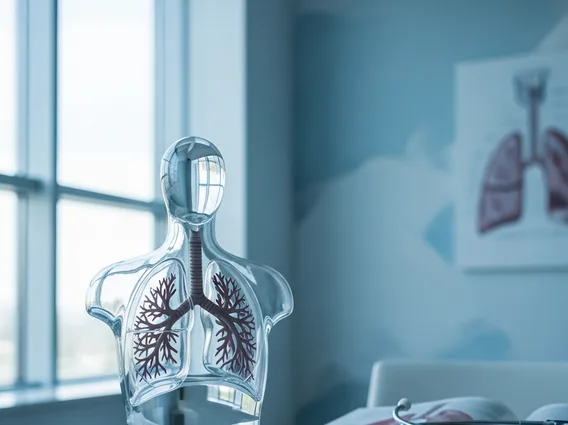
The somatic variant definition highlights their localized nature; they are typically found only in the specific cells where the change occurred and in any cells derived from them through cell division. For example, a somatic variant in a lung cell would only be present in that lung cell and its daughter cells, not in other tissues like the heart or brain. This characteristic makes them crucial in understanding diseases like cancer, where specific somatic variants drive tumor growth and progression.
Somatic vs. Germline Variants: Key Differences
Understanding the distinction between somatic and germline variants is fundamental in genetics and medicine. While both involve changes in DNA, their origin, inheritance patterns, and clinical implications differ significantly. The comparison of somatic mutation vs germline highlights these critical differences, particularly in the context of disease susceptibility and development.
Germline variants are inherited from parents and are present in virtually every cell of an individual’s body, including the reproductive cells. This means they can be passed down to subsequent generations. In contrast, somatic variants are acquired during a person’s lifetime and are confined to specific cells or tissues. They are not inherited and cannot be transmitted to offspring. This distinction is vital for genetic counseling, risk assessment, and therapeutic strategies.
PresenceLimited to specific cells/tissuesPresent in virtually all cells of the body
| Feature | Somatic Variant | Germline Variant |
|---|---|---|
| Origin | Acquired after conception in somatic cells | Inherited from parents, present at conception |
| Inheritance | Not inheritable (not passed to offspring) | Inheritable (can be passed to offspring) |
| Impact | Often linked to sporadic diseases (e.g., most cancers) | Can predispose to hereditary diseases |
| Detection | Detected by analyzing tumor or affected tissue | Detected by analyzing blood or saliva (germline DNA) |
Mechanisms of Somatic Variant Formation
Somatic variants arise through several mechanisms, reflecting the dynamic nature of our genome and its constant interaction with internal and external factors. Understanding how do somatic variants occur is crucial for comprehending disease etiology and developing preventative strategies. These variants are primarily the result of errors during DNA replication, exposure to environmental mutagens, and deficiencies in DNA repair pathways.
During normal cell division, DNA is replicated, and errors can occasionally occur in this process. While cellular machinery has robust proofreading and repair mechanisms, some errors can escape correction, leading to a somatic variant. Environmental factors also play a significant role; exposure to mutagens such as ultraviolet (UV) radiation from sunlight, certain chemicals (e.g., those in tobacco smoke), and ionizing radiation can directly damage DNA, inducing changes that become fixed as somatic variants if not repaired. Furthermore, an individual’s genetic predisposition to impaired DNA repair mechanisms can increase their susceptibility to accumulating somatic variants. For instance, according to the National Cancer Institute, somatic mutations are a hallmark of cancer, with many cancers arising from the accumulation of these genetic changes over time.