Sleep Apnea
Sleep Apnea is a common yet serious sleep disorder characterized by repeated interruptions in breathing during sleep. These pauses can lead to fragmented sleep and potentially severe health complications if left untreated.
Key Takeaways
- Sleep Apnea involves recurrent breathing pauses during sleep, disrupting rest and oxygen levels.
- Common symptoms include loud snoring, daytime fatigue, and morning headaches.
- Risk factors range from obesity and age to anatomical features.
- Diagnosis typically involves a sleep study (polysomnography).
- Treatment options vary, with CPAP therapy being a primary intervention.
What Is Sleep Apnea and Its Symptoms?
Sleep Apnea refers to a chronic condition where a person experiences recurrent pauses in breathing or shallow breaths during sleep. These apneas, lasting from seconds to minutes, can occur many times an hour, briefly rousing the person to resume breathing without conscious awareness. This cycle prevents restorative sleep, leading to various health issues. Obstructive sleep apnea (OSA), the most common type, occurs when throat muscles relax and block the airway. Central sleep apnea (CSA) is less common, involving the brain failing to send proper signals to breathing muscles.
Recognizing symptoms is crucial for early diagnosis. Common indicators include:
- Loud, chronic snoring
- Observed breathing cessations during sleep
- Gasping or choking sounds
- Excessive daytime sleepiness or fatigue
- Morning headaches
- Difficulty concentrating
- Irritability or mood changes
- Dry mouth or sore throat upon waking
- Frequent nighttime urination
An estimated 30 million U.S. adults have sleep apnea, with many undiagnosed, highlighting its widespread impact (Source: American Academy of Sleep Medicine, AASM).
Causes and Risk Factors of Sleep Apnea
Understanding the underlying sleep apnea causes and risk factors is essential for prevention and management. Obstructive sleep apnea (OSA) primarily results from throat muscle relaxation, allowing tissue to collapse and block the airway. Several factors increase susceptibility:
- Obesity: Excess weight, especially around the neck, significantly narrows the airway.
- Increased Neck Circumference: A thick neck indicates extra soft tissue that can obstruct breathing.
- Age: Risk increases with age, though it affects all ages.
- Gender: Men are more likely to develop sleep apnea, with women’s risk increasing after menopause.
- Family History: A genetic predisposition can elevate risk.
- Anatomical Features: Enlarged tonsils, a deviated septum, or a small jaw can narrow the airway.
- Alcohol and Sedatives: These relax throat muscles, worsening obstruction.
- Smoking: Smokers face a threefold increased risk due to inflammation in the upper airway.
- Nasal Congestion: Chronic congestion makes breathing difficult.
Central sleep apnea (CSA) is often associated with underlying medical conditions like heart failure, stroke, kidney disease, or certain medications (e.g., opioids).
How Is Sleep Apnea Diagnosed and Treated?
Accurate diagnosis is the first step toward effective management. How is sleep apnea diagnosed typically involves a sleep specialist’s evaluation of symptoms and medical history. The definitive tool is a sleep study, or polysomnography, performed in a lab or at home. This monitors brain activity, heart rate, blood oxygen, and breathing effort to determine apnea severity and guide treatment.
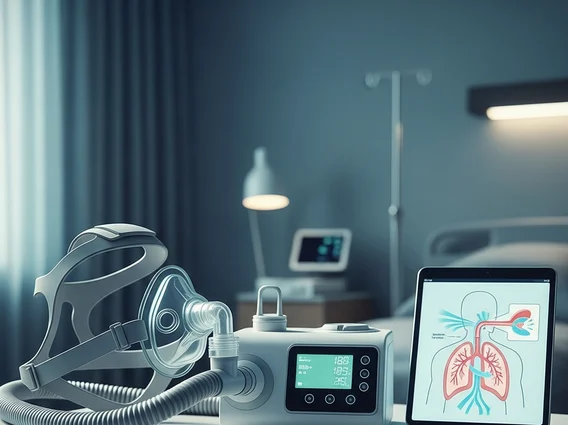
Once diagnosed, sleep apnea treatment options aim to restore normal breathing and alleviate symptoms. The most common and effective treatment for obstructive sleep apnea is Continuous Positive Airway Pressure (CPAP) therapy. CPAP involves wearing a mask during sleep that delivers constant air pressure to keep the airway open. Other approaches include:
- Oral Appliances: Custom dental devices reposition the jaw or tongue, suitable for mild to moderate OSA.
- Lifestyle Changes: Weight loss, avoiding alcohol/sedatives before bed, quitting smoking, and side sleeping can improve symptoms.
- Surgery: Procedures may remove excess throat tissue or address anatomical obstructions in specific cases.
- Positional Therapy: Devices preventing back sleeping can help if apnea is worse in that position.
For central sleep apnea, treatment focuses on managing the underlying medical condition. Adaptive servo-ventilation (ASV) devices may also stabilize breathing patterns. Regular follow-up with a healthcare provider is crucial for treatment effectiveness.