Shoulder Blade
The shoulder blade is a crucial bone in the upper body, playing a vital role in arm movement and shoulder stability. Understanding its structure and function is key to addressing common issues like pain and restricted mobility.
Key Takeaways
- The Shoulder Blade, or scapula, is a flat, triangular bone forming the back of the shoulder.
- It serves as an anchor for numerous muscles and facilitates a wide range of arm movements.
- Pain in the shoulder blade area can stem from muscle strain, poor posture, or underlying conditions.
- Proper posture, strengthening exercises, and stretching are essential for maintaining shoulder blade health.
- Effective exercises can significantly alleviate shoulder blade pain and improve overall shoulder function.
What is the Shoulder Blade (Scapula)?
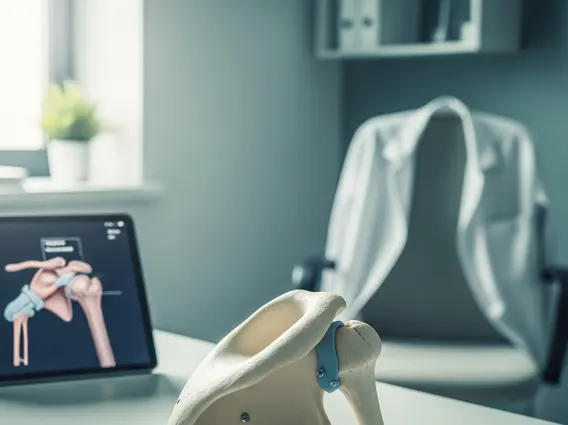
The Shoulder Blade, also known as the scapula bone, is a large, flat, triangular bone located on the posterior aspect of the rib cage, connecting the humerus (upper arm bone) with the clavicle (collarbone). This unique anatomical position allows it to serve as a critical link in the shoulder girdle, providing both stability and mobility. Unlike many other bones, the shoulder blade does not directly articulate with the spine but is instead suspended by a complex network of muscles, allowing for a wide range of motion. Its primary role is to facilitate the movement of the arm and shoulder, acting as a stable base for the rotator cuff muscles and other muscles that control arm elevation, rotation, and retraction.
Shoulder Blade Anatomy, Function, and Causes of Pain
The shoulder blade anatomy and function are intricately linked, enabling the complex movements of the arm. The scapula features several important landmarks, including the glenoid cavity, which articulates with the head of the humerus to form the glenohumeral joint (shoulder joint); the acromion, which forms the roof of the shoulder and articulates with the clavicle; and the coracoid process, which serves as an attachment point for several muscles and ligaments. The primary function of the shoulder blade is to provide a stable platform for the arm, allowing for movements like lifting, pushing, and pulling. It also works in conjunction with the clavicle and humerus to ensure smooth, coordinated motion of the entire shoulder complex.
Understanding the causes of shoulder blade pain is crucial for effective treatment. Pain in this region can arise from various factors, often involving the muscles surrounding the scapula or issues with the shoulder joint itself. Common causes include:
- Muscular Strain: Overuse, poor posture, or sudden movements can strain muscles like the rhomboids, trapezius, or levator scapulae, leading to localized pain and stiffness.
- Poor Posture: Prolonged slouching or desk work can put undue stress on the upper back and shoulder muscles, causing chronic discomfort.
- Rotator Cuff Injuries: Tears or inflammation in the rotator cuff tendons can refer pain to the shoulder blade area.
- Thoracic Outlet Syndrome: Compression of nerves or blood vessels between the collarbone and first rib can manifest as pain in the shoulder blade, arm, and hand.
- Referred Pain: Issues in other areas, such as the neck (cervical spine issues), heart, or gallbladder, can sometimes cause pain that radiates to the shoulder blade. For instance, according to the American Heart Association, referred pain to the shoulder or back can be a symptom of a heart attack, especially in women.
Effective Exercises for Shoulder Blade Pain Relief
Engaging in targeted shoulder blade pain relief exercises can significantly reduce discomfort and improve mobility. These exercises focus on strengthening the muscles that support the scapula, improving posture, and increasing flexibility. It is important to perform these exercises correctly and consistently, ideally under the guidance of a healthcare professional, especially if pain persists.
Here are some effective exercises:
- Scapular Retractions: Sit or stand tall. Squeeze your shoulder blades together as if trying to hold a pencil between them, without shrugging your shoulders. Hold for 5-10 seconds, then release. Repeat 10-15 times. This strengthens the rhomboids and middle trapezius.
- Wall Slides: Stand with your back against a wall, feet shoulder-width apart. Place your arms against the wall with elbows bent at 90 degrees, palms facing forward. Slowly slide your arms up the wall, keeping your elbows and wrists in contact, until your arms are fully extended overhead. Slowly return to the starting position. Perform 8-12 repetitions.
- Thoracic Extension: Lie on your back with a foam roller placed horizontally under your upper back, just below your shoulder blades. Support your head with your hands. Gently extend your upper back over the foam roller, allowing your shoulder blades to wrap around it. Hold briefly, then return to the starting position. Repeat 5-10 times. This helps improve spinal mobility.
Regular stretching and strengthening of the muscles surrounding the shoulder blade are crucial for preventing recurrence of pain and maintaining overall shoulder health. Always listen to your body and stop if any exercise causes increased pain. If you are experiencing persistent or severe shoulder blade pain, consult a medical professional for an accurate diagnosis and personalized treatment plan.