Sars Cov 2
SARS-CoV-2 (Severe Acute Respiratory Syndrome Coronavirus 2) is a novel coronavirus identified as the causative agent of coronavirus disease 2019 (COVID-19), a global pandemic that significantly impacted public health worldwide.
Key Takeaways
- SARS-CoV-2 is the virus responsible for COVID-19, characterized by respiratory and systemic symptoms.
- It primarily spreads through respiratory droplets and aerosols from infected individuals.
- Symptoms range from mild (fever, cough) to severe (respiratory distress), with treatment focusing on supportive care and antiviral medications.
- The virus emerged in Wuhan, China, in late 2019, leading to a rapid global pandemic.
- Vaccination remains a critical tool for preventing severe disease and transmission.
What is SARS-CoV-2 (Severe Acute Respiratory Syndrome Coronavirus 2)?
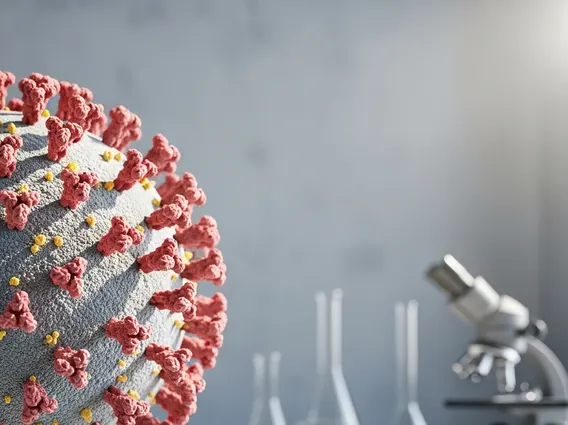
SARS-CoV-2 is a highly contagious RNA virus belonging to the family Coronaviridae, specifically the beta-coronavirus genus. It is structurally characterized by spike proteins on its surface, which enable it to bind to human host cells, primarily through the angiotensin-converting enzyme 2 (ACE2) receptor. This binding mechanism allows the virus to enter cells and replicate, leading to the development of COVID-19. The virus primarily targets the respiratory system but can affect multiple organs, causing a wide range of clinical manifestations.
Unlike its predecessor, SARS-CoV-1, SARS-CoV-2 has demonstrated a higher transmissibility rate, partly due to its ability to spread from asymptomatic individuals. Understanding the fundamental nature of what is SARS-CoV-2 virus is crucial for developing effective diagnostic tools, treatments, and preventive measures against the disease it causes.
SARS-CoV-2 Transmission, Symptoms, and Treatment
How does SARS-CoV-2 spread is a critical aspect of understanding and controlling the pandemic. The virus primarily transmits through respiratory droplets and aerosols released when an infected person coughs, sneezes, talks, or breathes. These particles can be inhaled by others or land on surfaces, which can then transfer the virus to mucous membranes (eyes, nose, mouth) if touched. Close contact with an infected individual significantly increases the risk of transmission, even if the person is asymptomatic. The World Health Organization (WHO) emphasizes maintaining physical distance and wearing masks to reduce airborne spread.
The SARS-CoV-2 symptoms and treatment vary widely among individuals. Common symptoms include fever, cough, fatigue, muscle aches, headache, sore throat, and loss of taste or smell. More severe symptoms can involve difficulty breathing, chest pain or pressure, and confusion, often requiring hospitalization. The incubation period typically ranges from 2 to 14 days after exposure. Treatment for COVID-19 is largely supportive, focusing on managing symptoms and preventing complications. Antiviral medications, such as Paxlovid, may be prescribed for eligible patients to reduce the risk of severe illness, while vaccines have proven highly effective in preventing severe disease, hospitalization, and death (CDC).
Here are some common symptoms associated with SARS-CoV-2 infection:
- Fever or chills
- Cough
- Fatigue
- Muscle or body aches
- Headache
- New loss of taste or smell
- Sore throat
- Congestion or runny nose
- Nausea or vomiting
- Diarrhea
The Origin and History of SARS-CoV-2
The SARS-CoV-2 origin and history trace back to late 2019, with the first reported cases emerging in Wuhan, Hubei Province, China. Initial investigations suggested a zoonotic origin, meaning the virus likely jumped from animals to humans. While the exact intermediate host remains under investigation, bats are considered a natural reservoir for many coronaviruses. The rapid spread of the virus within Wuhan quickly led to its dissemination across China and subsequently to other countries, primarily through international travel.
On March 11, 2020, the World Health Organization declared COVID-19 a global pandemic, marking a significant turning point in modern public health history. The subsequent years saw unprecedented efforts in scientific research, vaccine development, and public health interventions to combat the virus. The pandemic highlighted global interconnectedness and the critical need for robust surveillance systems and international cooperation to address emerging infectious diseases effectively.