Sarcopenia
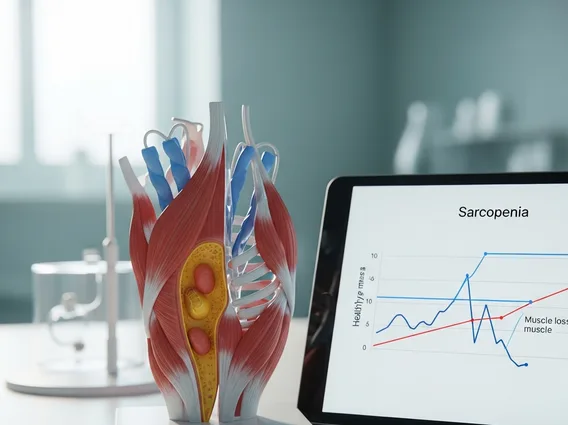
Sarcopenia is a progressive and generalized skeletal muscle disorder that is associated with an increased likelihood of adverse outcomes including falls, fractures, physical disability, and mortality. It is characterized by the loss of muscle mass, strength, and function, primarily affecting older adults.
Key Takeaways
- Sarcopenia is the age-related loss of muscle mass, strength, and function, leading to increased frailty and disability.
- Common sarcopenia symptoms and causes include muscle weakness, slow walking speed, and difficulty performing daily activities, often stemming from aging, inactivity, and poor nutrition.
- Effective strategies for how to prevent sarcopenia involve regular resistance exercise, adequate protein intake, and sufficient vitamin D.
- Sarcopenia treatment options primarily focus on lifestyle interventions, including tailored exercise programs and nutritional support, to mitigate muscle loss and improve function.
What is Sarcopenia?
Sarcopenia is a debilitating condition defined by the progressive loss of skeletal muscle mass, strength, and overall function. This age-related process significantly impacts an individual’s quality of life, increasing the risk of falls, fractures, and dependency. While muscle loss is a natural part of aging, sarcopenia represents an accelerated or more severe decline that goes beyond typical age-related changes. Research indicates that sarcopenia affects approximately 10-20% of individuals over the age of 65, with prevalence increasing significantly with advancing age, making it a major public health concern globally, as reported by various health organizations.
The condition is not merely about muscle size; it also involves a decline in muscle quality, where muscle tissue is replaced by fat and fibrous tissue, further impairing its ability to contract effectively. Understanding what is sarcopenia is crucial for early detection and intervention, as its impact extends to metabolic health, immune function, and overall longevity.
Identifying Sarcopenia: Signs and Risk Factors
Recognizing sarcopenia symptoms and causes is essential for timely diagnosis and management. The signs of sarcopenia often develop gradually and can be subtle initially, but they progressively worsen, affecting daily activities. Common symptoms include:
- Decreased Muscle Strength: Noticeable weakness, difficulty lifting objects, or struggling with tasks that were once easy.
- Slow Walking Speed: A significant reduction in gait speed, making it harder to keep pace with others.
- Difficulty with Daily Activities: Challenges performing routine tasks like climbing stairs, getting out of a chair, or carrying groceries.
- Reduced Physical Endurance: Feeling tired more easily during physical exertion.
- Unintentional Weight Loss: Especially if accompanied by a noticeable decrease in muscle bulk.
Several factors contribute to the development of sarcopenia. Age is the primary risk factor, as muscle mass naturally declines after the age of 30, accelerating after 60. Other significant risk factors include a sedentary lifestyle, inadequate protein and calorie intake, chronic diseases such as diabetes, heart failure, and kidney disease, and hormonal changes. Inflammation and insulin resistance also play roles in the progression of muscle wasting, highlighting the complex interplay of physiological processes involved in this condition.
Strategies for Sarcopenia Prevention and Treatment
Effective strategies for how to prevent sarcopenia and manage its progression primarily revolve around lifestyle modifications. The cornerstone of prevention and treatment is regular physical activity, particularly resistance training. This type of exercise stimulates muscle protein synthesis, leading to increased muscle mass and strength. Incorporating activities like weightlifting, resistance band exercises, or bodyweight exercises into a routine several times a week can significantly mitigate muscle loss. Aerobic exercise also contributes to overall health and functional capacity, complementing resistance training efforts.
Nutritional interventions are equally vital among sarcopenia treatment options. Adequate protein intake is crucial for muscle maintenance and growth. Older adults, in particular, may require higher protein intake than younger individuals to counteract anabolic resistance, a phenomenon where muscles become less responsive to protein. Consuming 25-30 grams of high-quality protein at each meal is often recommended. Additionally, sufficient vitamin D intake is important, as vitamin D plays a role in muscle function and strength. While these strategies are supportive, they do not replace professional medical advice or prescribed treatments. Individuals should consult with healthcare providers to develop a personalized plan that addresses their specific needs and health conditions.