RhubarbRhubarb
Rhubarb is a unique perennial plant, scientifically known as Rheum rhabarbarum, primarily cultivated for its tart, edible stalks. While often treated as a fruit in culinary applications, it is botanically a vegetable, prized for its distinct flavor and versatility.
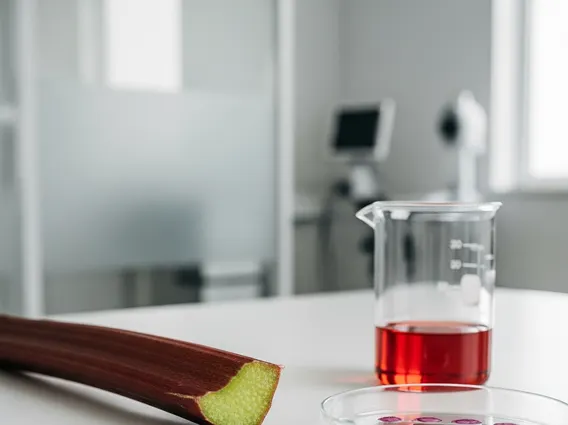
Key Takeaways
- Rhubarb is a perennial plant known for its edible, tart stalks, botanically classified as a vegetable.
- Its stalks are rich in fiber, vitamins, and antioxidants, contributing to various rhubarb health benefits.
- The primary rhubarb season and uses involve spring and early summer harvests for culinary purposes like pies and sauces.
- Learning how to grow rhubarb at home is straightforward, requiring well-drained soil, ample sunlight, and minimal maintenance.
What is Rhubarb?
Rhubarb refers to a hardy, herbaceous perennial plant belonging to the Polygonaceae family, which also includes buckwheat and sorrel. Originating from Asia, it is widely recognized for its thick, fleshy leaf stalks, which range in color from crimson red to light pink or pale green.
The plant grows large, triangular leaves that are toxic and should never be consumed. The edible part is the stalk, which has a distinctly tart flavor, making it a popular ingredient in desserts and savory dishes alike. As a rhubarb plant, it is known for its robust growth and ability to thrive in temperate climates, often returning year after year from its underground rhizomes.
Rhubarb Health Benefits and Seasonal Uses
The consumption of rhubarb stalks offers several rhubarb health benefits, primarily due to their rich nutritional profile. Rhubarb is an excellent source of dietary fiber, which aids in digestion and can contribute to gut health. It also contains essential vitamins, such as vitamin K1, important for blood clotting and bone health, and vitamin C, an antioxidant that supports the immune system.
Furthermore, rhubarb contains various antioxidants, including anthocyanins (responsible for the red color in some varieties) and polyphenols, which help combat oxidative stress in the body. Its low calorie count and high water content make it a beneficial addition to a balanced diet.
The main rhubarb season and uses typically span from early spring through mid-summer, though some varieties can be harvested later. During this period, the stalks are at their peak crispness and flavor. Common culinary applications include:
- Pies, crumbles, and tarts, often paired with sweeter fruits like strawberries.
- Jams, jellies, and sauces, providing a tart counterpoint to other ingredients.
- Compotes and chutneys, which can accompany both sweet and savory dishes.
- Flavoring for beverages, such as infused water or homemade sodas.
How to Grow Rhubarb at Home
Cultivating rhubarb in a home garden is a rewarding experience, as it is a relatively low-maintenance plant that can produce for many years. To understand how to grow rhubarb at home, consider the following key aspects:
Rhubarb thrives in full sun to partial shade and prefers well-drained, fertile soil with a pH between 6.0 and 6.8. It is best planted from crowns (root divisions) in early spring. Dig a hole large enough to accommodate the roots, ensuring the top of the crown is about two inches below the soil surface. Space plants approximately 3 feet apart to allow for mature growth.
Consistent moisture is crucial, especially during dry periods, but avoid waterlogging. Fertilize annually with compost or a balanced fertilizer in early spring. It is important not to harvest stalks during the first year after planting, allowing the plant to establish a strong root system. In subsequent years, harvest stalks when they are at least 10-15 inches long by pulling them from the base rather than cutting, which helps prevent rot. Stop harvesting by mid-summer to allow the plant to store energy for the following season.