Rhinoscopy
Rhinoscopy is a medical procedure used to examine the nasal passages and the back of the throat. It is a vital diagnostic tool for identifying various conditions affecting the nose and sinuses.
Key Takeaways
- Rhinoscopy is an endoscopic procedure to visualize the nasal cavity and nasopharynx.
- It is performed using a thin, flexible or rigid endoscope, often with local anesthesia.
- The procedure helps diagnose conditions like polyps, infections, bleeding, and foreign bodies.
- Rhinoscopy can also be used for minor therapeutic interventions, such as removing small obstructions.
- It is a safe and generally well-tolerated outpatient procedure.
Understanding What Rhinoscopy Is
Rhinoscopy refers to a medical procedure involving the visual examination of the nasal passages and the nasopharynx (the upper part of the throat behind the nose) using an endoscope. This diagnostic and sometimes therapeutic technique allows healthcare professionals to directly inspect the internal structures of the nose, which are not visible during a routine physical examination. It is crucial for understanding the underlying causes of various nasal symptoms and conditions.
There are primarily two types of rhinoscopy:
- Anterior Rhinoscopy: This involves using a nasal speculum and a light source to examine the front part of the nasal cavity. It’s often performed during a standard doctor’s visit.
- Posterior Rhinoscopy: This more advanced procedure uses a flexible or rigid endoscope to visualize the deeper parts of the nasal cavity, including the posterior septum, turbinates, and the opening of the Eustachian tubes in the nasopharynx. This method provides a much more comprehensive view.
How is Rhinoscopy Performed?
Performing rhinoscopy typically involves several steps to ensure patient comfort and a clear view for the clinician. The procedure usually begins with the application of a topical decongestant and a local anesthetic spray inside the nostril. This helps to reduce swelling of the nasal tissues, making the passage wider, and numbs the area to minimize discomfort.
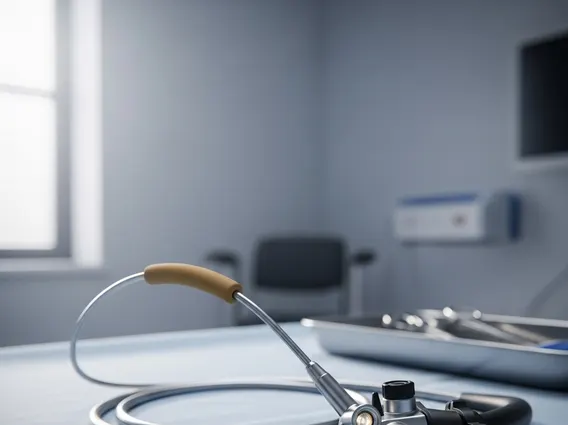
Once the area is prepared, a thin, lighted tube called an endoscope is gently inserted into the nostril. The endoscope can be either rigid or flexible, depending on the specific needs of the examination and the area being investigated. The clinician carefully guides the endoscope through the nasal passages, observing the structures on a video monitor. This allows for a detailed examination of the nasal septum, turbinates, sinus openings, and the nasopharynx. The entire procedure is generally quick, often lasting only a few minutes, and is well-tolerated by most patients.
Rhinoscopy for Diagnosis and Treatment of Nasal Problems
Rhinoscopy for nasal problems is an invaluable tool for diagnosing a wide range of conditions affecting the nasal cavity and surrounding structures. It allows for direct visualization of abnormalities that might otherwise go undetected. Common conditions diagnosed through this procedure include nasal polyps, chronic sinusitis, deviated septum, tumors, foreign bodies, and sources of recurrent nosebleeds. By directly observing these issues, clinicians can make accurate diagnoses and formulate effective treatment plans.
Beyond diagnosis, rhinoscopy diagnosis and treatment can also facilitate certain therapeutic interventions. For instance, during the procedure, a healthcare provider might be able to remove small foreign bodies, take tissue samples (biopsies) for further analysis, or precisely apply medication to specific areas. It is also frequently used to monitor the effectiveness of ongoing treatments for chronic nasal conditions or to assess the healing process after nasal surgery. This dual capability makes rhinoscopy a highly versatile and essential procedure in otolaryngology.