Rhinoscope
A rhinoscope is a vital medical instrument used to examine the nasal passages and the back of the throat. This diagnostic tool plays a crucial role in identifying various conditions affecting the upper respiratory tract.
Key Takeaways
- A rhinoscope is a medical device for visualizing the nasal cavity and nasopharynx.
- The procedure is generally quick, minimally invasive, and often performed with local anesthesia.
- Rhinoscopes come in rigid and flexible forms, each suited for different diagnostic needs.
- They are essential for diagnosing conditions like sinusitis, polyps, and epistaxis.
- The examination helps identify structural abnormalities and inflammation within the nasal passages.
What is a Rhinoscope?
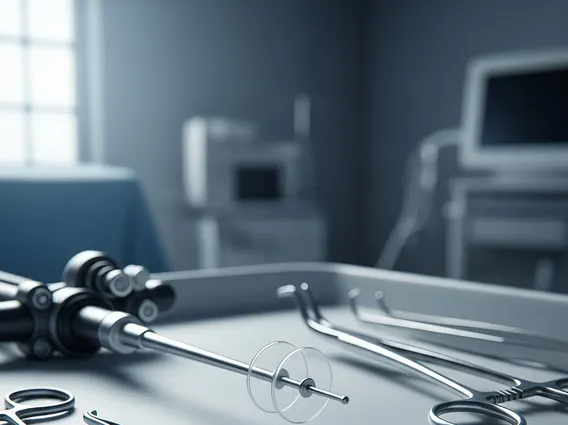
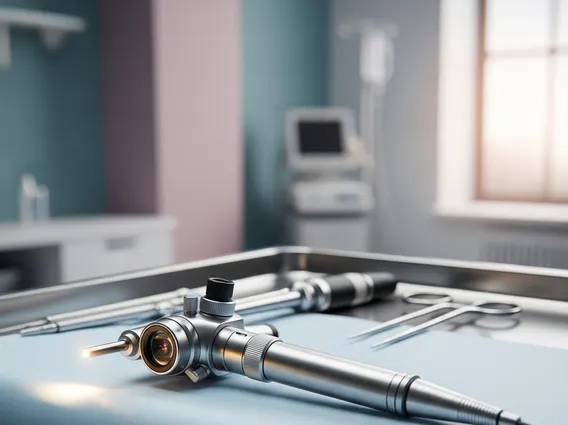
A Rhinoscope is a specialized medical instrument designed for the visual examination of the nasal cavity, nasal passages, and the nasopharynx (the upper part of the throat behind the nose). This device allows healthcare professionals to directly observe the internal structures of the nose, including the septum, turbinates, and the openings of the sinuses. It is an indispensable tool in otolaryngology (ear, nose, and throat medicine) for diagnosing a wide range of conditions affecting these areas.
The primary function of a rhinoscope is to provide a clear, magnified view of areas that are otherwise difficult to assess externally. By illuminating and magnifying the internal structures, it aids in the detection of inflammation, infections, polyps, tumors, foreign bodies, and structural abnormalities, facilitating accurate diagnosis and appropriate treatment planning.
Rhinoscope Procedure Explained
The Rhinoscope procedure explained involves a relatively straightforward and minimally invasive examination, typically performed in an outpatient setting. Before the procedure, the patient may receive a topical decongestant and a local anesthetic spray in the nasal passages to reduce discomfort and minimize swelling, ensuring better visualization. The patient is usually seated comfortably, with their head supported.
The physician carefully inserts the rhinoscope into one nostril and gently advances it through the nasal passage. The device transmits images to an eyepiece or a monitor, allowing the doctor to systematically inspect the nasal septum, turbinates, and the posterior nasal cavity. The process is then repeated for the other nostril. Patients might feel some pressure or a sensation of needing to sneeze, but significant pain is uncommon. The entire examination usually takes only a few minutes, after which the patient can typically resume their normal activities.
Types of Rhinoscope Devices, How They Work, and Their Uses
There are primarily two main Types of rhinoscope devices: rigid and flexible. Each type operates on similar principles but offers distinct advantages depending on the specific diagnostic need.
How does a rhinoscope work? Both rigid and flexible rhinoscopes utilize a system of lenses and a light source to illuminate and magnify the internal structures of the nasal cavity. The light is typically transmitted via fiber optics, providing a bright, clear view. The images are then relayed through the scope to an eyepiece or, more commonly, to a video monitor, allowing for detailed examination, recording, and patient education.
- Rigid Rhinoscope: These are straight, tube-like instruments with a fixed angle of view (e.g., 0°, 30°, 70°). They offer superior image quality and illumination, making them ideal for detailed inspection of specific areas and for procedures requiring precision, such as biopsies or foreign body removal.
- Flexible Rhinoscope: These devices have a thin, pliable tube that can be maneuvered and bent, allowing for navigation around anatomical curves and reaching areas inaccessible to rigid scopes, such as the nasopharynx and the openings of the Eustachian tubes. While image quality might be slightly less sharp than rigid scopes, their flexibility enhances patient comfort and diagnostic reach.
The question of What is a rhinoscope used for? encompasses a broad range of diagnostic and therapeutic applications. Rhinoscopes are instrumental in diagnosing conditions such as chronic sinusitis, nasal polyps, deviated nasal septum, epistaxis (nosebleeds), and allergic rhinitis. They are also used to evaluate the extent of infections, identify the source of nasal obstruction, and monitor the effectiveness of treatments. For instance, according to the Centers for Disease Control and Prevention (CDC), chronic sinusitis affects approximately 28.9 million adults in the United States, and rhinoscopy is a key diagnostic tool in managing this prevalent condition.