Radiation
Radiation is a fundamental aspect of the physical world, encompassing various forms of energy that travel through space or matter. In a medical context, understanding Radiation is crucial for both diagnostic and therapeutic applications, as well as for managing potential health risks.
Key Takeaways
- Radiation is energy transmitted as waves or particles, with medical relevance in diagnosis and treatment.
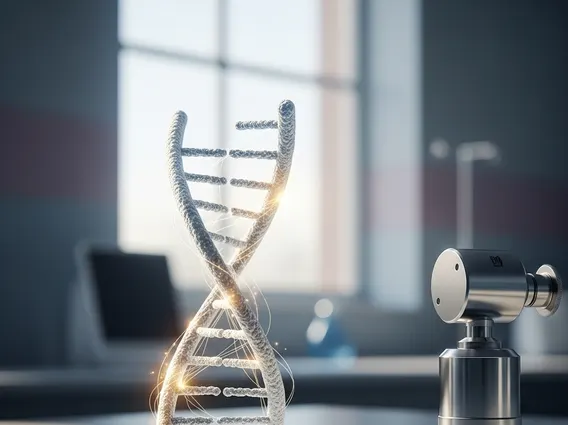
- It affects the human body by damaging cells and DNA, with effects varying based on dose and exposure time.
- Exposure to Radiation comes from both natural environmental sources and artificial sources, particularly medical procedures.
- Ionizing Radiation, used in medical imaging and cancer therapy, carries the potential for cellular damage.
- Minimizing unnecessary exposure is a key principle in medical and occupational settings.
What is Radiation?
Radiation refers to the emission or transmission of energy in the form of waves or particles. In the medical and clinical fields, the term primarily relates to ionizing radiation, which possesses enough energy to remove electrons from atoms, thereby creating ions. This process can lead to significant biological effects. Non-ionizing radiation, such as radio waves or visible light, does not have sufficient energy to ionize atoms and generally poses different, often less severe, health concerns. The application of Radiation in medicine is diverse, ranging from diagnostic imaging like X-rays and CT scans to therapeutic interventions such as radiation therapy for cancer treatment.
How Radiation Affects the Human Body
Radiation affects the human body primarily by causing damage at the cellular and molecular levels. When ionizing radiation interacts with biological tissue, it can directly damage DNA or create free radicals from water molecules, which then chemically attack cellular components. The extent and nature of the damage depend on several factors, including the type of radiation, the dose received, the rate of exposure, and the sensitivity of the exposed tissues.
The types of radiation effects can be broadly categorized as deterministic or stochastic:
- Deterministic effects have a threshold dose below which they do not occur, and their severity increases with dose. Examples include skin burns, hair loss, or acute radiation syndrome, typically seen after high-dose exposures.
- Stochastic effects have no threshold and their probability of occurrence increases with dose, but not their severity. Cancer and hereditary effects are considered stochastic, meaning any exposure carries a small, non-zero risk.
The body’s ability to repair cellular damage plays a significant role in mitigating the impact of radiation exposure. However, if the damage is extensive or improperly repaired, it can lead to cell death, mutations, or uncontrolled cell growth, contributing to the development of diseases like cancer.
Sources of Radiation Exposure
Humans are continuously exposed to sources of radiation exposure from both natural and artificial origins. Natural background radiation accounts for the majority of an individual’s annual exposure and includes cosmic radiation from space, terrestrial radiation from radioactive elements in the Earth’s crust (like radon gas), and internal radiation from naturally occurring radionuclides within the body.
Artificial sources, while generally contributing less to the overall average dose, are significant in specific contexts. These include:
- Medical procedures: Diagnostic imaging (X-rays, CT scans, nuclear medicine) and radiation therapy are the largest artificial sources of exposure for the general public. According to the United States Environmental Protection Agency (EPA), medical procedures account for approximately half of the average annual radiation dose for individuals in the U.S. (Source: EPA, “Radiation Sources and Doses”).
- Occupational exposure: Workers in industries such as nuclear power, medicine, and certain manufacturing processes may be exposed to higher levels of radiation.
- Consumer products: Some older consumer products (e.g., certain smoke detectors, luminous watches) contain small amounts of radioactive material.
- Nuclear accidents or weapons: These are rare but can lead to very high, localized exposures.
Understanding these sources is vital for implementing effective radiation protection measures and ensuring the safe use of radiation in medical and industrial applications.