Q10
Q10, also known as Coenzyme Q10, is a vital compound naturally produced in the body that plays a crucial role in energy production and acts as a powerful antioxidant. It is essential for cellular function and overall health.

Key Takeaways
- Q10 (Coenzyme Q10) is a natural antioxidant and a key component in cellular energy production.
- It supports various bodily functions, including heart health and cellular protection.
- Levels of Q10 naturally decline with age and can be affected by certain medications.
- Q10 supplements are available in two main forms: ubiquinone and ubiquinol.
- Consulting a healthcare professional is recommended before starting any new supplement regimen.
What is Q10 (Coenzyme Q10)?
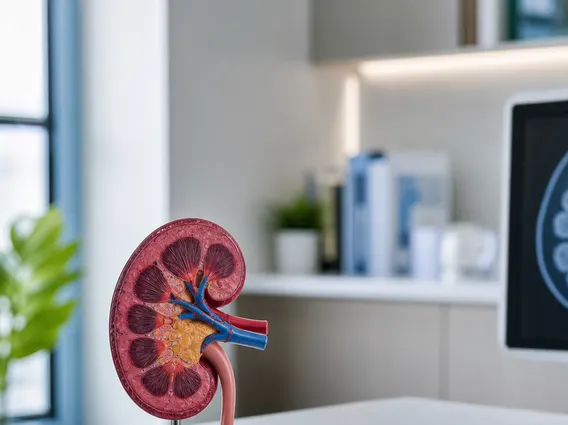
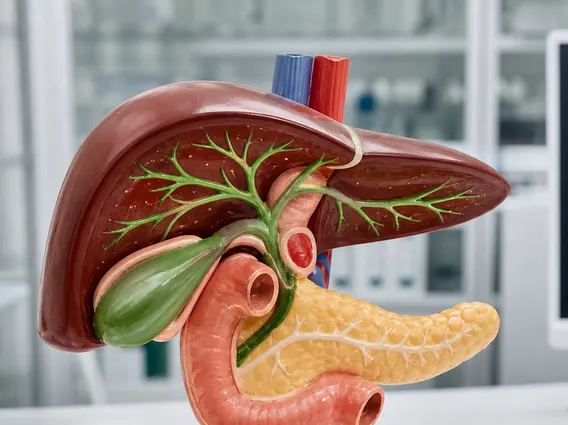
Q10, or Coenzyme Q10, is a fat-soluble, vitamin-like substance found in every cell of the human body. Its primary function is to help convert food into adenosine triphosphate (ATP), the main form of energy used by cells. This process is particularly vital in organs with high energy demands, such as the heart, liver, and kidneys. Beyond its role in energy metabolism, Q10 also functions as a potent antioxidant, protecting cells from damage caused by harmful free radicals.
The body naturally produces Q10, but its levels can decrease with age, certain medical conditions, and the use of some medications, particularly statins. Dietary sources of Q10 include organ meats, fatty fish, and whole grains, though the amounts obtained from food are typically much lower than what the body produces or what can be provided by supplements. Maintaining adequate Q10 levels is important for supporting cellular health and metabolic processes.
What is Q10 Supplement Good For?
A Q10 supplement is often taken to support various aspects of health, particularly when natural levels are insufficient. The primary **benefits of Q10 for health** stem from its dual role in energy production and antioxidant protection. It is widely recognized for its potential to support cardiovascular health, as the heart is one of the most energy-demanding organs in the body. Q10 helps improve energy generation within heart muscle cells and may contribute to maintaining healthy blood pressure levels already within the normal range.
The **Q10 coenzyme uses and effects** extend beyond heart health. As an antioxidant, it helps neutralize free radicals, which can reduce oxidative stress throughout the body. This protective effect is beneficial for cellular integrity and may support healthy aging. Some individuals also use Q10 to counteract the depletion caused by certain medications, such as statins, which are known to lower the body’s natural Q10 levels. Research suggests Q10 may also play a role in supporting neurological function and reproductive health, though more studies are ongoing to fully understand these broader applications.
- Supports cellular energy production, especially in high-energy organs like the heart.
- Acts as a powerful antioxidant, protecting cells from oxidative damage.
- May support cardiovascular health and maintain healthy blood pressure.
- Helps replenish Q10 levels depleted by certain medications.
- Contributes to overall cellular health and healthy aging processes.
Understanding Q10 Supplement Facts
**Understanding Q10 supplement facts** is crucial for choosing an appropriate product. Q10 supplements are available in two main forms: ubiquinone and ubiquinol. Ubiquinone is the oxidized form, which the body must convert into ubiquinol, the active antioxidant form, to be utilized. Ubiquinol is generally considered more bioavailable, especially for older adults or individuals with impaired absorption, as it is already in the form the body can readily use. However, both forms can be effective, and the choice often depends on individual needs and absorption capabilities.
When selecting a Q10 supplement, consider the dosage, which typically ranges from 100 mg to 400 mg per day, depending on the intended use and individual health status. It is fat-soluble, meaning it is best absorbed when taken with a meal containing fat. Always look for supplements from reputable manufacturers that provide clear labeling regarding the form of Q10, dosage, and any other ingredients. It is advisable to consult with a healthcare professional before starting any new supplement, especially if you have underlying health conditions or are taking other medications, to ensure it is appropriate for your specific needs.