Ptosis
Ptosis, commonly known as a drooping eyelid, is a medical condition that can affect one or both eyes, potentially impairing vision and altering facial appearance. It can manifest at any age, from birth through adulthood, and varies in severity.
Key Takeaways
- Ptosis is the medical term for a drooping upper eyelid, affecting one or both eyes.
- Causes include muscle weakness, nerve damage, trauma, or congenital factors.
- Symptoms often involve reduced vision, eye strain, and an asymmetrical appearance.
- Diagnosis relies on a comprehensive eye examination and specific tests.
- Treatment ranges from observation to surgical correction, based on cause and severity.
What is Ptosis?
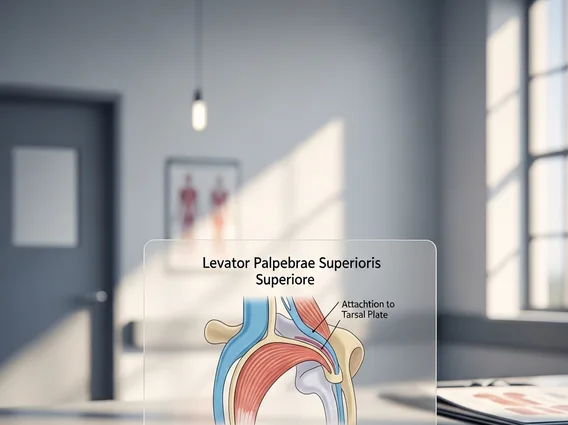
Ptosis refers to the medical condition characterized by the abnormal drooping of the upper eyelid. This occurs when the levator muscle, responsible for lifting the eyelid, weakens or is damaged, or its nerve supply is compromised. The degree of drooping varies, from a subtle sag to a severe drop that covers the pupil, obstructing vision. While often a cosmetic concern, its primary impact is functional, interfering with normal sight and potentially leading to amblyopia (lazy eye) in children if untreated. Congenital ptosis affects approximately 1 in 840 live births, according to the American Academy of Ophthalmology, highlighting its early prevalence.
Causes, Symptoms, and Types of Ptosis
Understanding the underlying factors is crucial for addressing **ptosis causes and symptoms**. The condition can arise from congenital factors, age-related changes, neurological disorders, or trauma. In adults, ptosis often develops with aging, as the levator muscle stretches or detaches from the eyelid. Neurological conditions like stroke, brain tumors, or myasthenia gravis can also cause ptosis by affecting eyelid movement nerves. Trauma to the eye or surrounding area, or certain eye surgeries, may also damage the levator muscle or its tendon.
The primary symptom is visible upper eyelid drooping. Depending on severity, individuals may experience difficulty keeping eyes open, eye strain, or a compensatory head tilt. Other symptoms include blurred vision, especially if the eyelid covers the pupil, and an asymmetrical eye appearance. Children with congenital ptosis risk developing amblyopia if vision is obstructed during critical developmental periods.
Several **types of ptosis explained** by their origins include:
- Congenital Ptosis: Present at birth, often due to underdeveloped levator muscles.
- Aponeurotic Ptosis: Most common in adults, caused by levator aponeurosis stretching or detachment, typically due to aging.
- Neurogenic Ptosis: Results from nerve pathway issues, such as Horner’s syndrome or third nerve palsy.
- Myogenic Ptosis: Caused by diseases affecting the levator muscle itself, like myasthenia gravis.
- Mechanical Ptosis: Occurs when excess skin, a tumor, or swelling weighs down the eyelid.
- Traumatic Ptosis: Develops after an injury to the eyelid or levator muscle.
Ptosis Diagnosis and Treatment
Accurate **ptosis diagnosis and treatment** begin with a comprehensive eye examination. The diagnostic process involves measuring eyelid height, assessing levator muscle strength, and evaluating eye movement range. The ophthalmologist will also look for underlying conditions, such as neurological or systemic diseases, which might contribute to ptosis. This may include visual field tests, slit-lamp examination, or imaging studies like MRI or CT scans to rule out tumors or nerve damage.
Treatment depends on the cause, severity, and visual impact. For mild cases without visual impairment, observation may suffice. However, if ptosis obstructs vision, causes significant eye strain, or presents cosmetic concerns, surgical intervention is often recommended. The most common adult procedure is levator aponeurosis advancement, tightening or reattaching the stretched levator muscle. For congenital or severe cases with very weak levator muscles, a frontalis sling procedure may be performed, connecting the eyelid to the eyebrow muscle for lifting. Treating an underlying medical condition can also resolve or improve eyelid droop.