Prostaglandin Endoperoxide Synthase 2
Prostaglandin Endoperoxide Synthase 2, commonly known as COX-2, is a pivotal enzyme in the human body, playing a central role in the inflammatory response and various physiological processes. Understanding its function and regulation is crucial for comprehending pain, inflammation, and the mechanisms of many therapeutic drugs.

Key Takeaways
- Prostaglandin Endoperoxide Synthase 2 (COX-2) is an enzyme primarily responsible for synthesizing prostaglandins, which are lipid mediators.
- Unlike COX-1, COX-2 is largely inducible, meaning its expression increases significantly during inflammation and injury.
- It catalyzes the conversion of arachidonic acid into prostaglandin G2 (PGG2) and then to prostaglandin H2 (PGH2).
- COX-2 plays a critical role in mediating pain, fever, and inflammation, and is also involved in certain physiological functions and disease states like cancer.
- Many non-steroidal anti-inflammatory drugs (NSAIDs) exert their effects by inhibiting COX-2 activity.
What is Prostaglandin Endoperoxide Synthase 2 (COX-2)?
Prostaglandin Endoperoxide Synthase 2, often abbreviated as COX-2, is an enzyme that belongs to the cyclooxygenase family. It is one of two primary isoforms of prostaglandin endoperoxide synthase, with the other being COX-1. While COX-1 is constitutively expressed in most tissues and is involved in maintaining normal physiological functions, COX-2 is largely inducible. This means its expression is significantly upregulated in response to inflammatory stimuli, growth factors, and cytokines, making it a key player in acute and chronic inflammation.
A comprehensive prostaglandin endoperoxide synthase 2 overview reveals its critical role in the biosynthesis of prostaglandins, thromboxanes, and prostacyclins—collectively known as prostanoids. These lipid mediators are potent signaling molecules that regulate a wide array of biological processes, including inflammation, pain, fever, blood clotting, and gastric mucosal protection. The selective inhibition of COX-2 has been a major focus in drug development, particularly for anti-inflammatory and pain-relieving medications.
Prostaglandin Endoperoxide Synthase 2 Mechanism
The enzymatic action of Prostaglandin Endoperoxide Synthase 2 involves a two-step catalytic process that converts arachidonic acid, a 20-carbon polyunsaturated fatty acid derived from cell membrane phospholipids, into prostaglandin H2 (PGH2). The prostaglandin endoperoxide synthase 2 mechanism begins with its cyclooxygenase activity, which incorporates two molecules of oxygen into arachidonic acid to form prostaglandin G2 (PGG2). This step involves the formation of a cyclic endoperoxide.
Following this, the enzyme utilizes its peroxidase activity to reduce PGG2 to PGH2. PGH2 is an unstable intermediate that serves as the precursor for all other prostanoids. Specific synthases then act on PGH2 to produce various biologically active molecules, such as prostaglandin E2 (PGE2), prostaglandin I2 (PGI2), thromboxane A2 (TXA2), and prostaglandin D2 (PGD2). Each of these prostanoids binds to specific G protein-coupled receptors on target cells, eliciting diverse cellular responses that contribute to inflammation, pain signaling, and other physiological effects.
Biological Role of Prostaglandin Endoperoxide Synthase 2
The prostaglandin endoperoxide synthase 2 biological role is multifaceted, encompassing both pathological and physiological processes. Its most well-known function is in mediating inflammation, pain, and fever. In inflammatory conditions, COX-2 expression is dramatically increased, leading to elevated levels of prostaglandins, particularly PGE2, which sensitizes nerve endings to pain, causes vasodilation, and contributes to the cardinal signs of inflammation such as redness, swelling, and heat. PGE2 also acts on the hypothalamus to induce fever.
Beyond inflammation, COX-2 also plays roles in several physiological systems. For instance, it is involved in:
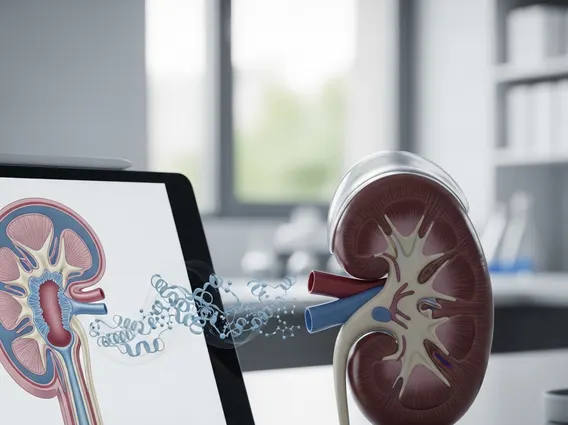
- Renal Function: Maintaining renal blood flow and electrolyte balance, especially under conditions of stress or reduced blood volume.
- Reproduction: Facilitating ovulation, fertilization, implantation, and labor.
- Bone Metabolism: Influencing bone formation and resorption processes.
- Vascular Homeostasis: Contributing to the production of prostacyclin (PGI2) in endothelial cells, which inhibits platelet aggregation and promotes vasodilation.
Furthermore, COX-2 is implicated in the development and progression of various cancers. Its overexpression in many tumor types can promote angiogenesis (formation of new blood vessels), inhibit apoptosis (programmed cell death), and enhance cell proliferation and invasion. This understanding has led to research into COX-2 inhibitors as potential adjunct therapies in oncology, though their use is carefully balanced against potential cardiovascular side effects. For example, a meta-analysis published in the British Medical Journal in 2011 highlighted the association between long-term use of certain COX-2 inhibitors and increased cardiovascular risk, underscoring the complexity of targeting this enzyme therapeutically.