Prophylactic Mastectomy
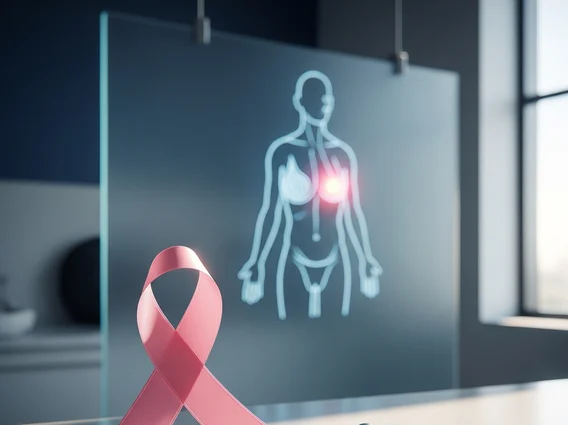
Prophylactic mastectomy is a surgical procedure performed to reduce the risk of developing breast cancer in individuals identified as having a significantly elevated risk. This preventative measure involves the removal of one or both breasts before cancer has a chance to form.
Key Takeaways
- Prophylactic Mastectomy is a surgical procedure to significantly reduce breast cancer risk in high-risk individuals.
- It involves the removal of breast tissue before cancer develops, often chosen by those with strong genetic predispositions like BRCA mutations.
- The primary benefit is a substantial reduction in breast cancer incidence, offering peace of mind.
- Risks include surgical complications, psychological impact, changes in body image, and the fact that it does not eliminate all risk.
- Recovery involves managing pain, drains, activity restrictions, and emotional adjustment, with a focus on both physical and psychological healing.
What is Prophylactic Mastectomy?
Prophylactic Mastectomy refers to a surgical procedure where one or both breasts are removed to prevent the development of breast cancer. This intervention is primarily considered for individuals who have a significantly increased lifetime risk of developing the disease, rather than those who have already been diagnosed. The goal is to remove the majority of the breast tissue where cancer could potentially form, thereby drastically lowering the risk.
This procedure is often chosen by individuals with specific risk factors, such as inherited genetic mutations, most notably in the BRCA1 and BRCA2 genes, which are known to substantially increase breast cancer susceptibility. Other indicators for considering a preventative mastectomy for breast cancer include a very strong family history of breast cancer, a prior diagnosis of lobular carcinoma in situ (LCIS), or atypical hyperplasia. While it significantly reduces the risk, it’s important to understand that no mastectomy can remove every single breast cell, meaning a small residual risk, though very low, still remains.
Benefits and Risks of Prophylactic Mastectomy
Understanding the prophylactic mastectomy benefits risks is crucial for individuals considering this significant surgical decision. The primary benefit is a substantial reduction in the lifetime risk of developing breast cancer. Studies have shown that for women with BRCA1 or BRCA2 mutations, prophylactic mastectomy can reduce the risk of breast cancer by approximately 90-95%, according to the National Cancer Institute. This reduction can offer significant peace of mind for those living with a high genetic predisposition.
However, like any major surgery, prophylactic mastectomy carries potential risks and challenges. These can be broadly categorized into surgical complications and psychological impacts:
- Surgical Complications: These include risks associated with anesthesia, infection at the surgical site, bleeding, seroma (fluid accumulation), hematoma (blood collection), and potential issues with breast reconstruction, such as implant rupture or flap necrosis.
- Psychological and Emotional Impact: Many individuals experience changes in body image, loss of breast sensation, and potential grief or sadness over the loss of their breasts. It is also common to experience anxiety or depression, requiring psychological support and counseling both before and after the procedure.
- Not 100% Preventative: While highly effective, a prophylactic mastectomy does not eliminate the risk of breast cancer entirely, as a small amount of breast tissue may remain.
A thorough discussion with a multidisciplinary medical team, including surgeons, genetic counselors, and psychologists, is essential to weigh these factors against personal risk and values.
Recovery After Prophylactic Mastectomy
The recovery after prophylactic mastectomy is a multi-faceted process that involves both physical healing and emotional adjustment. Immediately following the surgery, patients typically spend one to two nights in the hospital. During this time, pain management is a priority, often involving oral or intravenous pain medications. Surgical drains are usually placed to remove excess fluid from the surgical site and are typically kept in for one to two weeks, depending on the volume of drainage.
In the initial weeks post-surgery, physical activity will be restricted, particularly movements involving the arms and chest, to allow the incisions to heal and to prevent complications. Patients are advised to avoid heavy lifting, strenuous exercise, and reaching overhead. Physical therapy may be recommended to help restore range of motion and strength in the arms and shoulders. Emotional support is equally important during this period, as patients navigate changes in body image and sensation. Long-term recovery involves regular follow-up appointments with the surgical team and, if reconstruction was performed, with the plastic surgeon. It’s crucial for individuals to engage with support groups or counseling services to address any ongoing psychological impacts and to adapt to their new body.