Posterior Pelvic Exenteration
Posterior Pelvic Exenteration is a complex surgical procedure performed to treat advanced pelvic cancers, typically involving the rectum and other posterior pelvic organs. It represents a significant intervention aimed at achieving curative outcomes when less extensive surgeries are not sufficient.
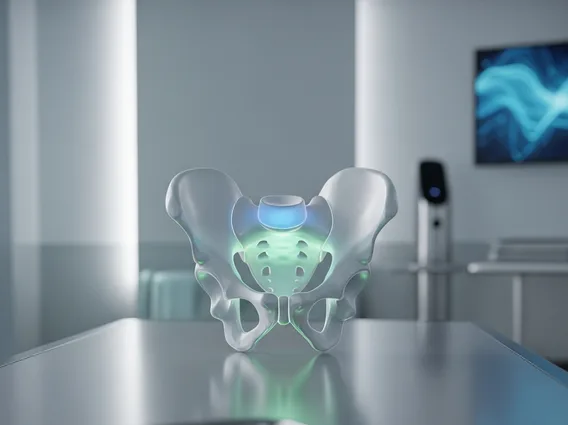
Key Takeaways
- Posterior Pelvic Exenteration is a major surgery for advanced pelvic cancers, removing the rectum and potentially other posterior organs.
- The procedure is highly complex, often requiring a multidisciplinary surgical team and resulting in permanent ostomies.
- Recovery is extensive, involving a prolonged hospital stay, pain management, and significant lifestyle adjustments.
- Potential risks include infection, bleeding, fistula formation, and long-term bowel or urinary dysfunction.
- Comprehensive post-operative care and support are crucial for patient well-being and adaptation.
What is Posterior Pelvic Exenteration?
Posterior Pelvic Exenteration is a radical surgical procedure primarily indicated for locally advanced or recurrent cancers within the posterior compartment of the pelvis. This typically includes cancers of the rectum, anus, and sometimes extends to parts of the vagina, uterus, or ovaries if they are involved by the disease. The goal of this extensive surgery is to remove all cancerous tissue, offering a chance for cure when the cancer has spread beyond the reach of conventional treatments but remains confined to the pelvis.
This procedure is distinct from total pelvic exenteration, which involves removal of all pelvic organs (bladder, rectum, and reproductive organs), and anterior pelvic exenteration, which focuses on the bladder and reproductive organs. Posterior pelvic exenteration specifically targets the structures located at the back of the pelvis, necessitating careful reconstruction and often the creation of a permanent colostomy to manage bowel function post-surgery.
The Posterior Pelvic Exenteration Procedure
The posterior pelvic exenteration procedure is a highly intricate operation that requires a specialized surgical team, often including colorectal surgeons, gynecologic oncologists, and plastic surgeons. The surgery involves several critical steps, beginning with a comprehensive exploration of the abdomen and pelvis to confirm the extent of the disease and ensure resectability. The primary objective is to achieve clear surgical margins, meaning all visible cancer is removed.
During the procedure, the rectum and anus are meticulously dissected and removed. Depending on the extent of the cancer, parts of the vagina, uterus, and ovaries may also be excised. Following the removal of the cancerous tissues, reconstructive efforts are undertaken. A permanent colostomy is typically created, where a portion of the colon is brought through an opening in the abdominal wall to divert stool into an external bag. In some cases, vaginal reconstruction may also be performed using tissue flaps to restore anatomical integrity and function, if appropriate for the patient’s overall health and prognosis.
Recovery and Risks After Pelvic Exenteration Surgery
The recovery after pelvic exenteration surgery is a prolonged and challenging process, reflecting the extensive nature of the operation. Patients typically require a hospital stay of several weeks, during which they receive intensive care, pain management, and nutritional support. Rehabilitation efforts begin early, focusing on mobility, wound care, and adjustment to the new bodily functions, particularly managing the colostomy. Psychological support is also crucial, as patients navigate significant changes to their body image and lifestyle. Long-term follow-up is essential to monitor for recurrence and manage any late complications.
Despite careful planning, there are significant risks of posterior pelvic exenteration. These can include immediate surgical complications and long-term challenges. Common risks include:
- Infection: Surgical site infections, as well as systemic infections, can occur due to the extensive nature of the surgery.
- Bleeding: Significant blood loss during or after the procedure is a concern, sometimes requiring transfusions.
- Fistula Formation: Abnormal connections between organs or to the skin can develop, requiring further intervention.
- Bowel or Urinary Dysfunction: Beyond the planned ostomies, patients may experience issues with remaining bowel or urinary function.
- Wound Complications: Delayed healing, dehiscence (wound separation), or hernia formation at the incision site.
- Psychological Impact: Patients may experience anxiety, depression, or body image issues related to the surgery and its outcomes.
Patients undergoing this surgery are closely monitored for these complications, and a multidisciplinary team provides ongoing care to optimize recovery and quality of life.