
Portal Vein
The portal vein is a crucial blood vessel responsible for transporting nutrient-rich blood from the digestive organs to the liver. Understanding its structure and role is essential for comprehending various physiological processes and related medical conditions.
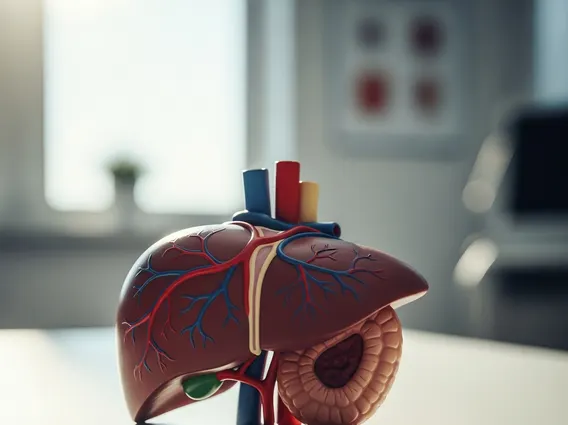
Key Takeaways
- The portal vein delivers blood from the gastrointestinal tract, spleen, and pancreas directly to the liver.
- It is vital for processing absorbed nutrients and detoxifying harmful substances before they enter the systemic circulation.
- The portal vein system is formed by the confluence of several major veins, including the superior mesenteric and splenic veins.
- Conditions like portal hypertension, thrombosis, and cavernous transformation can severely impair liver function and overall health.
- Early diagnosis and management of portal vein disorders are critical for preventing serious complications.
What is the Portal Vein?
The Portal Vein is a major blood vessel that plays a unique and critical role in the human circulatory system. Unlike most veins that carry blood directly back to the heart, the portal vein transports blood from the gastrointestinal tract, spleen, and pancreas directly to the liver. This specialized circulation ensures that nutrients absorbed from digestion and certain toxins are processed by the liver before entering the general circulation. This system is essential for metabolism, detoxification, and overall physiological balance.
Portal Vein Anatomy and Function
The portal vein anatomy and function are central to the liver’s role as the body’s primary metabolic organ. The portal vein itself is approximately 8-10 cm long in adults and is formed by the convergence of several major veins behind the neck of the pancreas. The primary tributaries forming the portal vein are the superior mesenteric vein (draining blood from the small intestine and parts of the large intestine) and the splenic vein (draining blood from the spleen, pancreas, and stomach). The inferior mesenteric vein usually drains into the splenic vein, contributing indirectly to the portal flow.
The primary function of the portal vein is to deliver blood rich in nutrients, hormones, and other substances absorbed from the digestive system directly to the liver. This allows the liver to:
- Process and store absorbed nutrients, such as glucose and amino acids.
- Metabolize drugs and toxins, converting them into less harmful substances for excretion.
- Produce bile, which aids in fat digestion.
- Synthesize proteins, including clotting factors and albumin.
This intricate portal vein system explained ensures that the liver acts as a gatekeeper, filtering and processing substances before they reach the rest of the body. The blood then leaves the liver via the hepatic veins, which drain into the inferior vena cava and return to the heart.
Conditions Affecting the Portal Vein
Several conditions affecting portal vein can significantly impact liver function and overall health. One of the most common and serious conditions is portal hypertension, which is an increase in blood pressure within the portal venous system. This condition is most frequently caused by cirrhosis, a severe scarring of the liver, often due to chronic hepatitis or alcohol abuse. Portal hypertension can lead to serious complications such as:
- Ascites: Fluid accumulation in the abdomen.
- Esophageal varices: Enlarged veins in the esophagus that can rupture and cause life-threatening bleeding.
- Hepatic encephalopathy: A decline in brain function due to the liver’s inability to remove toxins from the blood.
- Splenomegaly: Enlargement of the spleen.
Another significant condition is portal vein thrombosis, which is the formation of a blood clot within the portal vein. This can obstruct blood flow to the liver, potentially leading to liver damage, portal hypertension, and intestinal ischemia. Causes of portal vein thrombosis include liver cirrhosis, certain cancers (especially pancreatic cancer and hepatocellular carcinoma), inflammatory conditions, and inherited clotting disorders. Cavernous transformation of the portal vein is a rare condition where the main portal vein becomes obstructed, and a network of collateral veins develops around it to bypass the obstruction, often as a long-term consequence of portal vein thrombosis.
The diagnosis of these conditions often involves imaging techniques such as ultrasound, CT scans, and MRI, along with blood tests to assess liver function. Management strategies vary depending on the specific condition and its severity, ranging from medications to manage symptoms and prevent complications, to surgical interventions in some cases. Early detection and appropriate medical care are crucial for managing these complex conditions effectively.



















