Port A Cath
A Port A Cath, often simply called a port, is an implantable medical device designed to provide long-term access to a patient’s bloodstream. It is commonly used when frequent intravenous access is required for medical treatments.
Key Takeaways
- A Port A Cath is an implanted device for long-term intravenous access.
- It delivers medications, fluids, and allows blood draws, preserving peripheral veins.
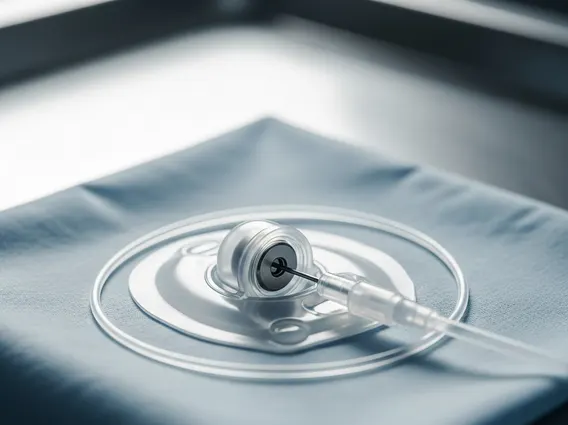
- The device consists of a port under the skin and a catheter leading to a central vein.
- Insertion and removal are minor surgical procedures, typically outpatient.
- Living with a port involves minimal lifestyle changes but requires proper care to prevent complications.
What is a Port A Cath used for?
A Port A Cath is an implantable central venous access device that provides a reliable and convenient way to administer medications, fluids, and draw blood samples over an extended period. It is primarily used for patients who require frequent or continuous intravenous (IV) treatments, avoiding the need for repeated needle sticks into peripheral veins, which can become damaged or difficult to access over time.
The primary applications for a Port A Cath include chemotherapy, long-term intravenous antibiotic therapy, blood transfusions, nutritional support (parenteral nutrition), and frequent blood sampling for diagnostic tests. This device significantly enhances patient comfort and reduces the risk of vein damage associated with traditional IV lines. According to the National Cancer Institute, central venous catheters, including ports, are a standard component of cancer treatment, facilitating the delivery of various therapies and improving patient experience by minimizing venipuncture.
Understanding the Port A Cath: How It Works
The Port A Cath system comprises two main components: a small, disc-shaped port and a thin, flexible catheter. The port, typically made of plastic or metal, has a raised center called a septum, which is a self-sealing silicone membrane. This port is surgically placed just under the skin, usually in the upper chest, though sometimes in the arm.
The catheter is attached to the port and threaded into a large central vein, such as the subclavian or jugular vein, which leads directly to the heart. To access the Port A Cath, a healthcare professional inserts a special non-coring needle through the skin and into the port’s septum. Medications or fluids are then infused through the port, down the catheter, and directly into the bloodstream. This design allows for sterile, efficient, and repeated access without damaging the port or the surrounding tissue. The self-sealing septum can withstand hundreds of punctures, ensuring the device’s longevity.
Port A Cath Procedure and Living with the Device
Port A Cath insertion and removal are minor surgical procedures. Insertion is typically performed in an outpatient setting under local anesthesia, often with mild sedation. A small incision is made to create a pocket for the port under the skin, and another small incision allows the catheter to be guided into the central vein. The procedure usually takes about an hour, and most patients can return home the same day. Once the port is no longer needed, its removal is also a straightforward outpatient procedure, often performed under local anesthesia.
Living with a Port A Cath generally involves minimal disruption to daily life once the insertion site has healed. Patients can typically shower, swim, and engage in most physical activities, although strenuous contact sports might be discouraged to prevent injury to the port site. Regular maintenance is crucial; when not actively in use, the port needs to be flushed with saline and sometimes heparin every 4-6 weeks to prevent blood clots and ensure patency. When the port is accessed for treatment, a sterile dressing is applied over the needle site, requiring careful attention to hygiene to prevent infection.
Patients are educated on how to care for their port and recognize potential complications. It is important to monitor for signs such as redness, swelling, pain, warmth, or discharge around the port site, as these could indicate an infection. Fever, chills, or difficulty flushing the port are also signs that require immediate medical attention.
- Regular Flushing: Even when not in use, the port needs periodic flushing (typically every 4-6 weeks) with saline and sometimes heparin to prevent blockages.
- Site Care: When the port is accessed, the needle site must be kept clean and covered with a sterile dressing as advised by healthcare providers.
- Activity: Most normal activities, including showering and swimming (once fully healed), are permissible, but avoid direct impact to the port area.
- Monitoring for Complications: Be vigilant for signs of infection (redness, swelling, pain, fever) or port malfunction (difficulty flushing or drawing blood) and report them promptly.