Pineal Organ
The Pineal Organ, often referred to as the pineal gland, is a small but vital endocrine gland located deep within the brain. It plays a crucial role in regulating several bodily functions, most notably the sleep-wake cycle.

Key Takeaways
- The Pineal Organ is a small endocrine gland situated in the epithalamus of the brain.
- Its primary function is the production and secretion of melatonin, a hormone critical for regulating circadian rhythms.
- The organ’s activity is influenced by light and darkness, signaling the body’s sleep-wake cycle.
- Beyond sleep, it influences reproductive function, immune responses, and mood regulation.
- Calcification of the Pineal Organ is common with age but its functional impact is still under research.
What is the Pineal Organ?
The Pineal Organ is a small, pinecone-shaped endocrine gland found in the brain. It is responsible for producing melatonin, a hormone that helps regulate sleep patterns and circadian rhythms. This vital structure acts as a neuroendocrine transducer, converting nerve signals from the sympathetic nervous system into hormonal signals. Historically, it was once considered the “seat of the soul” by René Descartes, highlighting its mysterious nature before modern scientific understanding. Today, its role in maintaining the body’s internal clock is well-established, making it a key player in overall physiological health. The intricate workings of this gland are now thoroughly pineal organ explained through extensive research, revealing its broader influence on various biological processes beyond just sleep.
As a component of the endocrine system, the Pineal Organ responds to light and dark cycles detected by the eyes. This light information is transmitted to the suprachiasmatic nucleus (SCN) in the hypothalamus, which then relays signals to the pineal gland. In darkness, the gland increases melatonin production, promoting sleepiness. Conversely, light inhibits melatonin release, helping to maintain wakefulness. This fundamental mechanism underscores its importance in synchronizing the body with the external environment.
Pineal Organ Anatomy, Location, and Functions
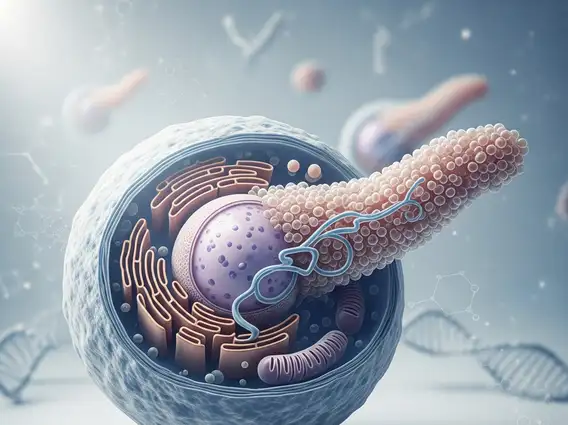
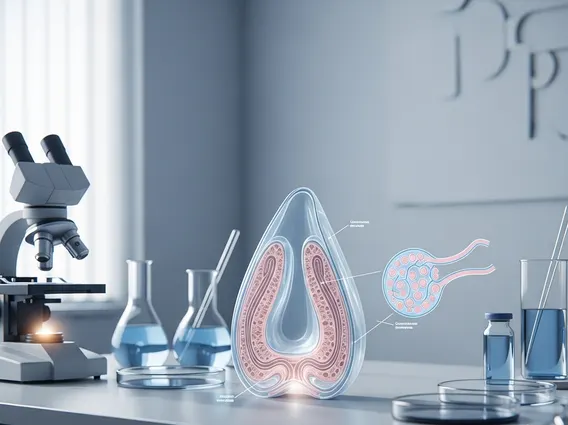
Understanding the pineal gland anatomy and role provides insight into its critical physiological contributions. The Pineal Organ is situated in the epithalamus, near the center of the brain, nestled between the two hemispheres and posterior to the thalamus. Its small size, typically around 0.8 cm in length, belies its significant impact on the body. The gland is composed primarily of pinealocytes, specialized cells that synthesize and secrete melatonin. It also contains glial cells, which provide support, and is highly vascularized, allowing for efficient hormone distribution throughout the bloodstream.
The pineal organ function and location are central to its physiological impact. Its strategic placement allows it to receive direct neural input related to light exposure without being directly exposed to light itself. The primary functions of the Pineal Organ include:
- Melatonin Production: The most well-known function, regulating the sleep-wake cycle and promoting sleep.
- Circadian Rhythm Regulation: Synchronizing the body’s internal clock with the 24-hour day-night cycle.
- Reproductive Function: Influencing the onset of puberty and regulating reproductive hormones, though its exact mechanisms are still being researched.
- Immune System Modulation: Melatonin has immunomodulatory effects, influencing the activity of various immune cells.
- Antioxidant Activity: Melatonin acts as a potent antioxidant, protecting cells from oxidative stress.
- Mood Regulation: Imbalances in pineal function and melatonin levels have been linked to mood disorders, including seasonal affective disorder (SAD).
Over time, the Pineal Organ commonly undergoes calcification, often referred to as “brain sand” or corpora arenacea. While this is a normal age-related process, the extent to which it impacts pineal function is a subject of ongoing scientific investigation. Despite calcification, the gland typically continues to produce melatonin, albeit potentially with altered patterns in some individuals.