Picc
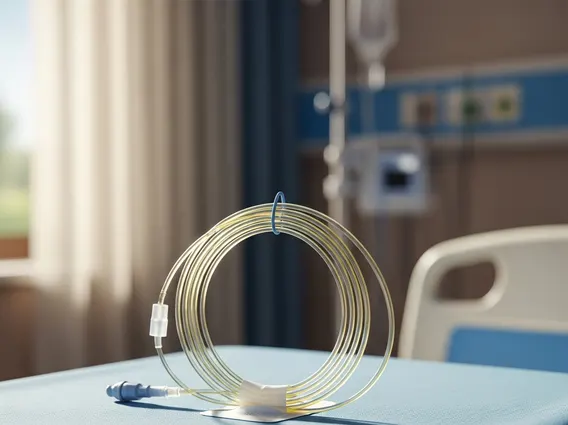
A Peripherally Inserted Central Catheter (PICC) is a vital medical device used for long-term intravenous access. Understanding its function and proper management is crucial for patient care.
Key Takeaways
- A PICC line is a central venous catheter inserted into a peripheral vein, providing long-term access for medication, fluids, and blood draws.
- It is commonly used for extended antibiotic therapy, chemotherapy, nutritional support, and frequent blood sampling.
- Proper care, including regular flushing, dressing changes, and infection monitoring, is essential to prevent complications.
- PICC lines offer a safer and more comfortable alternative to repeated needle sticks for patients requiring prolonged intravenous treatment.
What is a PICC (Peripherally Inserted Central Catheter) Line?
A Peripherally Inserted Central Catheter (PICC) line is a type of central venous catheter that is inserted into a peripheral vein, typically in the arm, and then advanced until the tip rests in a large vein near the heart. This medical device provides a reliable and long-term access point to the bloodstream, avoiding the need for repeated needle sticks. Unlike standard intravenous (IV) lines, which are for short-term use in smaller veins, a PICC line can remain in place for weeks or even months, making it suitable for extended medical treatments.
The insertion of a PICC line is usually performed by a trained healthcare professional, such as a nurse or physician, often guided by ultrasound to ensure accuracy and minimize complications. Once in place, the external portion of the catheter is secured to the arm, and a sterile dressing covers the insertion site. This design allows for the safe and efficient administration of various therapies directly into the central circulation.
PICC Line Purpose and Uses
The primary purpose of a PICC line is to provide a secure and long-lasting route for delivering medications, fluids, and nutrients directly into a patient’s bloodstream, as well as for drawing blood samples. This eliminates the discomfort and potential damage to peripheral veins that can occur with frequent venipuncture or the administration of certain irritating substances. PICC lines are particularly beneficial for patients who require prolonged intravenous therapy.
Common uses for a PICC line include:
- Long-term antibiotic therapy: For serious infections requiring weeks or months of treatment.
- Chemotherapy: Administering cancer drugs that can be harsh on smaller veins.
- Total Parenteral Nutrition (TPN): Providing complete nutritional support intravenously for patients unable to eat or absorb nutrients.
- Frequent blood draws: Reducing the need for multiple needle sticks for diagnostic testing.
- Extended hydration: For patients needing continuous fluid support.
According to the Centers for Disease Control and Prevention (CDC), central line-associated bloodstream infections (CLABSIs) are a significant concern, emphasizing the importance of proper care for all central lines, including PICCs. While PICCs offer many advantages, their use requires careful consideration and adherence to strict infection control protocols.
PICC Line Care and Maintenance
Proper PICC line care and maintenance are critical to prevent complications such as infection, occlusion, or dislodgement, ensuring the device functions effectively throughout its intended use. Patients and caregivers receive specific instructions on how to manage the PICC line at home.
Key aspects of PICC line care include:
- Dressing Changes: The sterile dressing covering the insertion site must be changed regularly, typically every 5-7 days or sooner if it becomes wet, dirty, or loose. This helps protect the site from bacteria.
- Flushing: The line needs to be flushed with a saline solution, and sometimes a heparin solution, at prescribed intervals (e.g., daily or after each use) to prevent blood clots from forming inside the catheter and blocking it.
- Site Inspection: Regularly checking the insertion site for signs of infection, such as redness, swelling, pain, warmth, or discharge, is crucial. Any concerning symptoms should be reported to a healthcare provider immediately.
- Activity Restrictions: While a PICC line allows for a relatively normal lifestyle, certain activities like heavy lifting or strenuous arm movements on the side of the insertion may need to be avoided to prevent dislodgement or damage.
- Bathing: Special precautions, such as covering the PICC site with a waterproof dressing, are necessary during showers to keep the area dry and sterile. Submerging the PICC line in baths or swimming pools is generally not recommended due to the high risk of infection.
The PICC line insertion process explained involves careful preparation, local anesthesia, and sterile technique to place the catheter. Post-insertion, patient education on care is paramount. Adherence to these guidelines significantly reduces the risk of complications and ensures the PICC line remains a safe and effective tool for patient treatment.