Photosensitivity
Photosensitivity refers to an abnormal or exaggerated reaction of the skin to sunlight or other forms of ultraviolet (UV) radiation. This condition can manifest in various ways, from mild rashes to severe blistering, significantly impacting an individual’s quality of life.
Key Takeaways
- Photosensitivity is an increased skin reaction to light, often sunlight or UV radiation.
- It can be triggered by medications, underlying medical conditions, genetic factors, or environmental exposures.
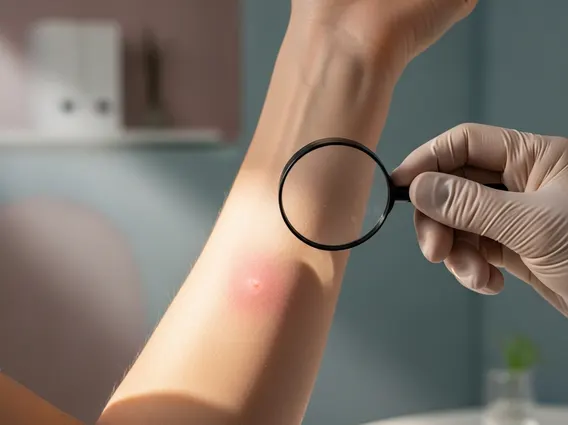
- Common symptoms include rashes, redness, itching, burning sensations, and sometimes blistering in sun-exposed areas.
- Diagnosis involves identifying triggers and may require specific tests to determine the underlying cause.
- Management focuses on sun protection, avoiding triggers, and treating symptoms to prevent further skin damage.
What is Photosensitivity?
Photosensitivity is a condition where the skin becomes unusually sensitive to light, particularly ultraviolet (UV) radiation from the sun or artificial sources. When photosensitivity is present, exposure to light that would normally be harmless can lead to a range of adverse skin reactions. To have photosensitivity explained simply, it means your skin reacts more strongly or negatively to light than a typical person’s skin would, often resulting in discomfort or damage.
This heightened sensitivity is not merely a sunburn; it involves a distinct immune or chemical reaction within the skin. It can affect people of all ages and skin types, and its impact can range from mild irritation to severe, debilitating skin conditions. Understanding this reaction is crucial for proper management and prevention of further skin damage.
Causes of Photosensitivity
There are numerous causes of photosensitivity in humans, ranging from medications and underlying medical conditions to genetic predispositions and environmental factors. Identifying the specific cause is essential for effective treatment and prevention strategies.
Common causes include:
- Medications: Certain drugs, such as some antibiotics (e.g., tetracyclines, fluoroquinolones), diuretics, non-steroidal anti-inflammatory drugs (NSAIDs), and even some topical agents, can make the skin more susceptible to light damage.
- Medical Conditions: Autoimmune diseases like lupus erythematosus, porphyria, and certain genetic disorders (e.g., xeroderma pigmentosum) are well-known to cause photosensitivity.
- Topical Products: Fragrances, sunscreens containing certain chemicals, and coal tar products can sometimes induce phototoxic or photoallergic reactions.
- Environmental Factors: Exposure to certain plants (e.g., lime, celery, parsnip) followed by sun exposure can lead to phytophotodermatitis.
In some cases, the exact cause may be idiopathic, meaning it arises without a clear identifiable reason. Consulting a healthcare professional is vital to pinpoint the trigger and develop an appropriate management plan.
Symptoms of Photosensitivity Reaction
The symptoms of photosensitivity reaction can vary widely depending on the underlying cause and the individual’s sensitivity, but they typically manifest in areas of the skin exposed to light. These reactions can appear immediately after exposure or be delayed by several hours or even days.
Common symptoms include:
- Redness (Erythema): Similar to a severe sunburn, but often more intense or widespread than expected for the level of sun exposure.
- Itching and Burning: Intense sensations of itchiness or a burning feeling in the affected skin areas.
- Rash: Various types of rashes can develop, including small bumps (papules), fluid-filled blisters (vesicles), or hives (urticaria).
- Swelling (Edema): The skin may become puffy and swollen, particularly in severe cases.
- Scaling or Crusting: As the reaction heals, the skin may peel, scale, or form crusts.
- Hyperpigmentation: Darkening of the skin can occur in affected areas after the initial reaction subsides.
These symptoms are often more pronounced in areas directly exposed to sunlight, such as the face, neck, décolletage, and the backs of the hands. If you experience persistent or severe photosensitive reactions, it is important to seek medical advice for proper diagnosis and treatment.