
Photon Beam Radiation Therapy
Photon Beam Radiation Therapy is a widely utilized and effective treatment modality in oncology, employing high-energy X-rays to target and destroy cancer cells. This approach plays a crucial role in managing various types of cancer, either as a primary treatment, an adjuvant therapy, or for palliative care.
Key Takeaways
- Photon Beam Radiation Therapy uses high-energy X-rays to damage cancer cells and inhibit their growth.
- The treatment works by precisely delivering radiation to the tumor, minimizing exposure to surrounding healthy tissues.
- It is effective for a broad range of cancers, including those deep within the body.
- Benefits include its non-invasive nature and ability to reduce tumor size or eliminate cancer cells.
- Potential side effects are generally temporary and manageable, varying based on the treated area.
What is Photon Beam Radiation Therapy?
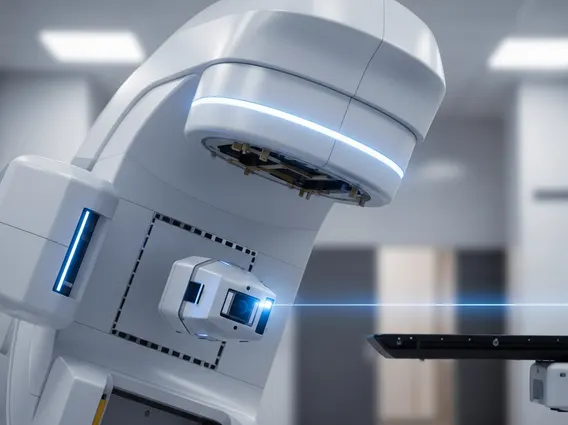
Photon Beam Radiation Therapy refers to a common form of external beam radiation therapy that uses high-energy X-rays, or photons, to treat cancer. These photons are generated by a linear accelerator (LINAC) and directed with precision towards the cancerous tumor. The primary goal of this therapy is to damage the DNA within cancer cells, preventing them from growing and dividing, ultimately leading to their destruction. It is a non-invasive treatment often prescribed for a wide array of cancers, including those affecting the brain, lung, breast, prostate, and gastrointestinal tract. According to the American Society for Radiation Oncology (ASTRO), radiation therapy is a critical component in the treatment of more than half of all cancer patients, highlighting its widespread application and importance in modern oncology.
How Does Photon Radiation Therapy Work?
Photon radiation therapy operates on the principle of delivering targeted radiation doses to malignant cells while sparing as much healthy tissue as possible. During a typical session, a patient lies on a treatment table, and a linear accelerator moves around them, delivering precise beams of photons from various angles. The high-energy photons interact with the water molecules within the cells, creating free radicals that then damage the DNA of both cancerous and healthy cells. However, cancer cells are generally less efficient at repairing this DNA damage compared to healthy cells, making them more susceptible to the effects of radiation. Treatment plans are meticulously designed by a team of specialists, including radiation oncologists, medical physicists, and dosimetrists, using advanced imaging techniques like CT, MRI, and PET scans to accurately map the tumor’s location and shape. This detailed planning ensures that the radiation dose is concentrated on the tumor, optimizing its effectiveness while minimizing harm to surrounding vital organs and tissues.
Benefits and Potential Side Effects of Photon Beam Therapy
The application of photon beam therapy offers several significant advantages in cancer treatment. One of the primary benefits of photon beam therapy for cancer is its versatility; it can be used to treat tumors located deep within the body, which might be inaccessible or difficult to remove surgically. Its precision allows for effective tumor control and eradication, often leading to improved patient outcomes and quality of life. Furthermore, it can be used in conjunction with other treatments, such as chemotherapy or surgery, to enhance overall efficacy, reduce tumor size before surgery, or eliminate residual cancer cells afterward. It is also a valuable palliative treatment, helping to alleviate symptoms like pain caused by tumor pressure or growth.
Despite its benefits, patients undergoing photon beam therapy may experience side effects of photon radiation treatment. These side effects are generally localized to the treated area and can vary widely depending on the part of the body being irradiated, the total dose, and individual patient factors. Common side effects often include:
- Fatigue: A general feeling of tiredness that can range from mild to severe.
- Skin irritation: Redness, dryness, itching, blistering, or peeling in the treated area, similar to a sunburn.
- Hair loss: Occurs only in the treated area if it includes hair follicles.
- Nausea and vomiting: More common when treating areas like the abdomen or brain.
- Sore throat or difficulty swallowing: If the head, neck, or chest is treated.
- Diarrhea or bladder irritation: If the pelvic area is treated.
Most side effects are temporary and typically resolve within a few weeks or months after treatment concludes. Medical teams provide supportive care and strategies to manage these effects, such as prescribing medications, recommending specific skin care routines, or suggesting dietary adjustments, to help patients maintain their comfort and well-being throughout their therapy.



















