Phlegm
Phlegm is a viscous substance produced by the mucous membranes of the respiratory system, serving a crucial protective role in the body. While a normal and necessary bodily fluid, its excessive production or changes in appearance can signal underlying health issues.

Key Takeaways
- Phlegm is a protective mucus produced in the respiratory tract, essential for trapping irritants and pathogens.
- Excessive phlegm can stem from infections, allergies, asthma, or environmental factors.
- The color of phlegm can provide clues about its underlying cause, ranging from clear (normal) to yellow, green, or even red (indicating more serious conditions).
- Natural strategies to reduce phlegm include hydration, humidification, and avoiding irritants.
- Persistent or concerning changes in phlegm warrant medical consultation.
What is Phlegm and its Purpose?
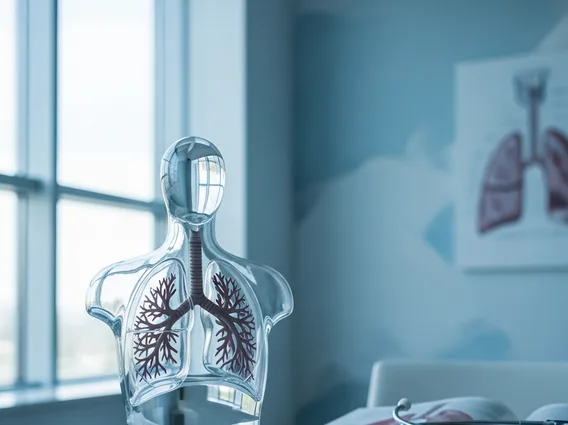
Phlegm refers to the thick, sticky mucus produced in the lungs and lower respiratory tract. Unlike regular nasal mucus, which is thinner and produced in the upper respiratory passages, phlegm is specifically associated with the respiratory system’s deeper structures. Its primary purpose is to protect the delicate lining of the airways by trapping inhaled particles, dust, allergens, bacteria, and viruses. This trapped material is then expelled from the body through coughing or swallowing, preventing it from reaching the lungs and causing infection or irritation.
The production of phlegm is a normal physiological process, with healthy individuals producing a small amount daily, often unnoticed. This continuous secretion helps keep the airways moist and clean. However, when the body encounters irritants or pathogens, the production of phlegm can increase significantly as a defense mechanism, leading to noticeable symptoms like coughing and congestion.
Causes of Excessive Phlegm Production
There are numerous causes of excessive phlegm production, often indicating the body’s response to an irritant or infection. Common culprits include respiratory infections such as the common cold, influenza, bronchitis, and pneumonia, where the body produces more phlegm to clear pathogens. Allergic reactions to pollen, dust mites, or pet dander can also trigger increased mucus production as the immune system attempts to flush out allergens.
Chronic conditions like asthma, chronic obstructive pulmonary disease (COPD), and cystic fibrosis are also associated with persistent excessive phlegm. Environmental factors, such as exposure to cigarette smoke, air pollution, or chemical fumes, can irritate the airways and stimulate increased phlegm secretion. Gastroesophageal reflux disease (GERD) can sometimes lead to phlegm in the throat due to stomach acid irritating the esophagus and airways. According to the Centers for Disease Control and Prevention (CDC), respiratory infections are among the most frequent reasons for doctor visits, often presenting with symptoms like increased phlegm production.
Phlegm Color Meanings and Natural Reduction Strategies
The appearance of phlegm, particularly its color, can offer valuable clues about its underlying cause and the body’s condition. While not a definitive diagnostic tool, understanding different colors of phlegm meaning can help individuals decide when to seek medical advice. For instance, clear phlegm is typically normal, while yellow or green often suggests an an infection.
| Phlegm Color | Meaning | Possible Condition |
|---|---|---|
| Clear | Normal, healthy mucus | Allergies, mild irritation, normal function |
| White | Congestion, dehydration | Viral infection, bronchitis, asthma, GERD |
| Yellow or Green | Presence of white blood cells fighting infection | Bacterial or viral infection (e.g., cold, flu, bronchitis) |
| Brown or Black | Old blood, inhaled dust/smoke, fungal infection | Smoking, heavy pollution exposure, fungal infection, old bleeding |
| Red or Pink | Presence of fresh blood | Serious conditions like pneumonia, tuberculosis, pulmonary embolism, cancer |
How to Reduce Phlegm Naturally
For individuals experiencing excessive phlegm due to common irritants or mild infections, several natural strategies can help alleviate symptoms and promote clearance. Staying well-hydrated is paramount, as drinking plenty of water thins the mucus, making it easier to expel. Using a humidifier in your home can add moisture to the air, which helps soothe irritated airways and loosen phlegm. Gargling with warm salt water can also help clear mucus from the throat and reduce irritation.
Avoiding known irritants such as cigarette smoke, strong perfumes, and allergens can significantly reduce phlegm production. Over-the-counter saline nasal sprays or rinses can help clear nasal passages and reduce post-nasal drip, which often contributes to throat phlegm. While these natural methods can provide relief, it is important to remember that this information is supportive only and does not replace professional medical treatment, especially if symptoms persist or worsen.