Pheresis
Pheresis is a medical procedure involving the separation and removal of specific components from a patient’s blood. This therapeutic technique is utilized for various conditions, aiming to treat diseases by selectively extracting harmful substances or cells.
Key Takeaways
- Pheresis is a medical procedure that separates blood into its components.
- It selectively removes specific blood components, such as plasma, cells, or platelets.
- The procedure is used to treat a wide range of medical conditions by removing harmful substances or collecting beneficial ones.
- Different types of pheresis exist, each targeting specific blood components.
- It involves specialized equipment to process blood outside the body before returning the treated blood.
What is Pheresis?
Pheresis refers to a medical procedure that involves separating blood into its individual components, treating a specific component, and then returning the remaining blood to the patient. This process is often performed using an apheresis machine, which acts like a centrifuge to separate whole blood into plasma, red blood cells, white blood cells, and platelets. The primary goal of pheresis is to remove harmful substances or cells from the bloodstream or to collect specific healthy components for therapeutic purposes. It is a versatile technique used in various medical specialties, including hematology, oncology, and immunology, offering a targeted approach to disease management. By precisely isolating and manipulating blood constituents, pheresis can address conditions that might otherwise be difficult to treat with conventional therapies. The specific component targeted depends on the patient’s condition and the therapeutic objective, making it a highly individualized treatment.
Pheresis Procedure: How It Works and Types of Therapy
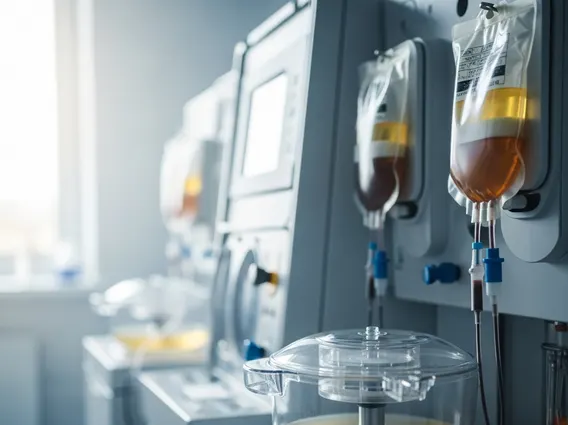
The pheresis medical treatment explained involves a patient’s blood being drawn from one arm and passed through a specialized machine. This machine, often called an apheresis device, uses either centrifugation (spinning at high speeds) or filtration to separate the blood into its various components based on their density or size. Once separated, the targeted component—such as abnormal cells, disease-causing antibodies, or excess plasma—is either removed, treated, or collected, while the remaining, healthy blood components are carefully returned to the patient through a vein in the other arm. This continuous, closed-loop process allows for the treatment of a significant volume of blood over several hours, typically ranging from two to four hours, depending on the specific procedure and patient needs. The mechanism of how pheresis works relies on these physical properties of blood components, enabling their efficient and selective isolation outside the body.
There are several types of pheresis therapy, each designed to target specific blood components or conditions:
- Plasmapheresis: This procedure specifically removes plasma, the liquid portion of blood, which may contain disease-causing antibodies, immune complexes, or toxins contributing to various autoimmune diseases or neurological disorders. The removed plasma is then replaced with a substitute fluid, such as albumin or fresh frozen plasma, to maintain fluid balance and essential proteins.
- Cytapheresis: This broad category encompasses procedures that remove specific types of blood cells. Examples include:
- Leukapheresis: Targets and removes excess white blood cells, often employed in conditions like hyperleukocytosis in leukemia to prevent complications such as organ damage.
- Erythrocytapheresis: Involves the removal of abnormal or diseased red blood cells, commonly used for conditions like sickle cell disease or severe malaria, where the patient’s red cells are replaced with healthy donor red blood cells.
- Plateletpheresis: Focuses on removing excess platelets, a treatment for thrombocythemia, a condition characterized by abnormally high platelet counts that can lead to clotting or bleeding issues.
- Photopheresis: This unique therapy involves removing a portion of the patient’s white blood cells, treating them with a light-sensitive drug (psoralen), exposing them to ultraviolet A (UVA) light, and then returning them to the patient. It is primarily used for certain types of cutaneous T-cell lymphoma and chronic graft-versus-host disease, modulating the immune response.
The choice of pheresis type depends entirely on the underlying medical condition, the specific therapeutic goal, and the patient’s overall health status. These procedures are typically performed in a clinical setting under strict medical supervision, ensuring patient safety, efficacy, and appropriate management of potential side effects.