Pharyngectomy
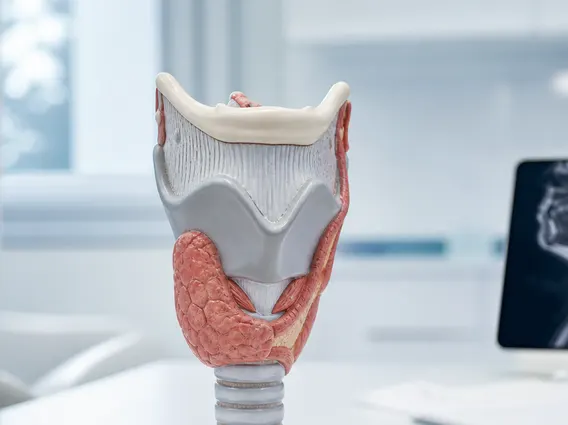
Pharyngectomy is a complex surgical procedure involving the removal of part or all of the pharynx, the tube connecting the mouth and nasal cavity to the esophagus and larynx. This operation is primarily performed to treat various conditions affecting the throat, most commonly cancers.

Key Takeaways
- Pharyngectomy is a surgical procedure to remove part or all of the pharynx, primarily for cancer treatment.
- The extent of the surgery depends on the tumor’s size and location, often requiring reconstructive techniques.
- Recovery involves a hospital stay, nutritional support, and specialized rehabilitation for swallowing and speech.
- Potential risks include infection, bleeding, voice changes, and difficulties with swallowing.
- Long-term management focuses on rehabilitation and improving the patient’s quality of life.
What is Pharyngectomy and Why It’s Performed?
Pharyngectomy refers to the surgical removal of all or part of the pharynx, the muscular tube extending from the base of the skull to the esophagus. This critical structure plays a vital role in both breathing and swallowing. The primary reasons for pharyngectomy operation are typically related to the treatment of malignant tumors (cancers) affecting the pharynx, including the nasopharynx, oropharynx, and hypopharynx. According to the World Health Organization (WHO), head and neck cancers, which include pharyngeal cancers, account for a significant portion of all cancers globally, with an estimated 930,000 new cases and 460,000 deaths annually (WHO, 2023). Less common indications include severe benign tumors, extensive trauma, or congenital abnormalities that significantly impair function. The specific extent of the pharyngectomy depends entirely on the location, size, and stage of the disease, aiming to remove all cancerous tissue while preserving as much healthy tissue and function as possible.
Pharyngectomy Procedure and Recovery
The pharyngectomy procedure and recovery process is intricate and highly individualized, depending on the scope of the surgery. The operation typically involves removing the affected portion of the pharynx, which may necessitate a partial or total pharyngectomy. In many cases, especially with extensive resections, reconstructive surgery is performed immediately afterward to restore the continuity of the digestive and respiratory tracts. This might involve using tissue grafts from other parts of the body, such as the forearm or thigh, to create a new segment of the pharynx.
Post-operatively, patients typically remain in the hospital for an extended period, ranging from one to several weeks, for close monitoring and initial recovery. Nutritional support is crucial, often provided through a feeding tube (nasogastric or gastrostomy tube) until the patient can safely swallow on their own. Pain management is also a key component of immediate post-operative care.
The recovery phase involves several critical aspects:
- Swallowing Rehabilitation: Patients often work with speech-language pathologists to relearn how to swallow safely and effectively.
- Speech Therapy: Depending on the extent of the surgery and any impact on the larynx, speech therapy may be necessary to address voice changes.
- Wound Care: Meticulous care of the surgical site and any reconstructive flaps is essential to prevent infection and promote healing.
- Nutritional Support: Gradual transition from tube feeding to oral intake, with a focus on soft or pureed foods initially.
- Physical Therapy: To help regain strength and mobility, especially if muscle flaps were used for reconstruction.
Full recovery can take several months, and some patients may experience long-term changes in speech, swallowing, and breathing.
Potential Risks and Side Effects of Pharyngectomy
Like any major surgical intervention, pharyngectomy side effects and risks are significant and require careful consideration. Immediate post-operative complications can include bleeding, infection at the surgical site, and adverse reactions to anesthesia. There is also a risk of damage to surrounding nerves, which can lead to issues such as facial weakness, vocal cord paralysis, or numbness.
More specific to the pharynx, potential side effects include:
- Dysphagia: Difficulty or pain when swallowing, which can range from mild to severe and may require long-term dietary modifications or continued feeding tube use.
- Speech Changes: Alterations in voice quality, hoarseness, or even complete loss of voice if the larynx is affected or removed (laryngopharyngectomy).
- Fistula Formation: A leakage from the surgical repair site, which can be a serious complication requiring further intervention.
- Stricture: Narrowing of the reconstructed pharynx, which can impede swallowing and may require dilation.
- Respiratory Issues: Potential for aspiration (food or liquid entering the airway) and subsequent pneumonia, especially in the early recovery phase.
- Cosmetic Changes: Depending on the extent of the surgery and reconstruction, there may be visible scarring or changes to the neck and facial appearance.
Long-term management often involves ongoing follow-up with a multidisciplinary team, including oncologists, surgeons, speech therapists, and nutritionists, to address these potential issues and optimize the patient’s quality of life.