Pfic
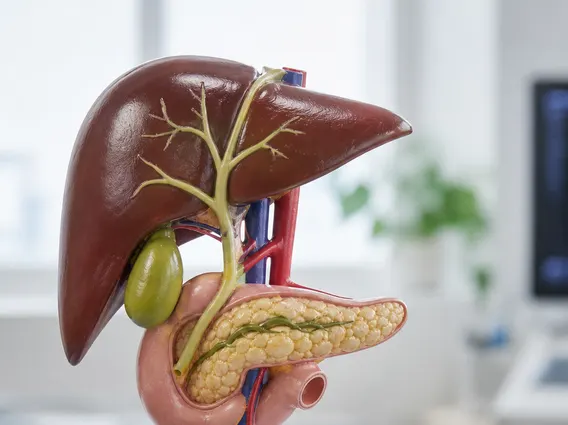
Pfic is a group of rare genetic liver disorders that impair bile flow, leading to progressive liver damage. These conditions primarily affect infants and children, causing severe health complications if left untreated.
Key Takeaways
- Progressive Familial Intrahepatic Cholestasis (PFIC) refers to a collection of rare genetic liver diseases.
- It is characterized by impaired bile flow, leading to cholestasis and progressive liver damage.
- Symptoms often include jaundice, severe itching, poor growth, and an enlarged liver and spleen.
- Diagnosis involves clinical evaluation, blood tests, imaging, liver biopsy, and definitive genetic testing.
- Treatment options range from medication to surgical interventions like liver transplantation, depending on the specific PFIC type and disease progression.
What is PFIC (Progressive Familial Intrahepatic Cholestasis)?
Progressive Familial Intrahepatic Cholestasis (PFIC) refers to a group of rare, inherited liver disorders characterized by impaired bile flow. This leads to the accumulation of toxic substances in liver cells, causing progressive liver damage, fibrosis, and eventually cirrhosis and liver failure. PFIC is caused by mutations in genes responsible for proteins involved in bile formation and transport. There are several types, each linked to a specific gene mutation (e.g., ATP8B1 for PFIC1, ABCB11 for PFIC2, ABCB4 for PFIC3). These defects disrupt normal bile secretion, leading to cholestasis. Its prevalence is estimated between 1 in 50,000 and 1 in 100,000 live births worldwide, according to data from rare disease registries.
PFIC Symptoms, Causes, and Diagnosis
The clinical manifestations of PFIC vary by type and age of onset, generally stemming from bile accumulation. Symptoms often appear in infancy or early childhood.
- Jaundice: Yellowing of the skin and eyes.
- Pruritus: Severe, intractable itching.
- Hepatomegaly and Splenomegaly: Enlarged liver and spleen.
- Failure to Thrive: Poor weight gain and growth.
- Dark Urine and Pale Stools: Indicative of impaired bile excretion.
The underlying Pfic causes are genetic mutations. Each PFIC type is associated with a specific gene mutation that affects proteins crucial for bile production and transport. For instance, PFIC1 and PFIC2 primarily affect bile salt export, while PFIC3 impairs phospholipid transport. These defects are inherited in an autosomal recessive pattern, meaning an individual must inherit two copies of the mutated gene (one from each parent) to develop the condition.
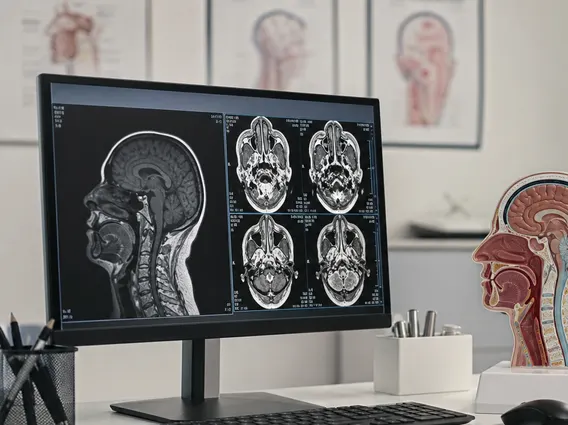
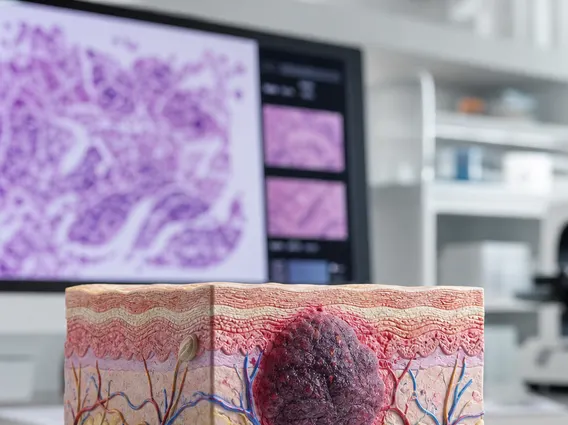
Pfic diagnosis involves a comprehensive approach, beginning with clinical evaluation of symptoms and physical examination. Blood tests typically show elevated liver enzymes, bilirubin, and bile acid levels. Imaging studies, such as ultrasound or magnetic resonance cholangiopancreatography (MRCP), may be used to assess the bile ducts and liver structure. A liver biopsy is often performed to evaluate the extent of liver damage and identify characteristic histological features. Definitive diagnosis relies on genetic testing, which identifies the specific gene mutations responsible for the condition, confirming the type of PFIC.
PFIC Treatment Options and Prognosis
Managing Pfic treatment options focuses on alleviating symptoms, preventing liver damage progression, and improving quality of life. Treatment strategies are tailored to the specific type of PFIC and the severity of the disease.
- Medical Management: Ursodeoxycholic acid (UDCA) is commonly used to improve bile flow and reduce liver inflammation. Other medications may include rifampicin or cholestyramine to help manage severe pruritus. Nutritional support, including fat-soluble vitamin supplementation (A, D, E, K), is crucial to address malabsorption.
- Surgical Diversion: For some PFIC types (e.g., PFIC1, PFIC2), partial external biliary diversion (PEBD) or ileal bypass surgery may be considered. These procedures aim to divert bile, reducing the reabsorption of toxic bile acids and alleviating symptoms like pruritus and jaundice.
- Liver Transplantation: For patients who do not respond to medical or surgical diversion therapies, or those who develop end-stage liver disease, liver transplantation becomes the definitive treatment. This procedure replaces the diseased liver with a healthy donor liver, offering a chance for long-term survival and improved health.
The Pfic prognosis varies significantly depending on the specific PFIC type, the age of diagnosis, and the response to treatment. Without intervention, PFIC often leads to progressive liver fibrosis, cirrhosis, and liver failure, typically within the first decade of life. Early diagnosis and appropriate management, including surgical interventions or liver transplantation, can significantly improve outcomes and extend life expectancy. However, even after successful transplantation, some patients, particularly those with PFIC1, may experience extrahepatic manifestations or recurrence of cholestasis in the transplanted liver, necessitating ongoing medical care and monitoring. Continued research aims to develop more targeted therapies and improve the long-term outlook for individuals living with PFIC.