Peritoneal
Peritoneal refers to the peritoneum, a vital membrane lining the abdominal cavity and covering the abdominal organs. Understanding this structure is crucial for comprehending various medical conditions affecting the abdomen.
Key Takeaways
- The peritoneum is a double-layered serous membrane that lines the abdominal cavity and covers most abdominal organs.
- Its primary functions include reducing friction, protecting organs, and facilitating nutrient and waste exchange.
- The peritoneal cavity is a potential space between the two layers, containing a small amount of fluid.
- Common conditions affecting the peritoneum include peritonitis, ascites, and various cancers.
- Maintaining peritoneal health is essential for overall abdominal well-being and organ function.
What is the Peritoneum and its Function?
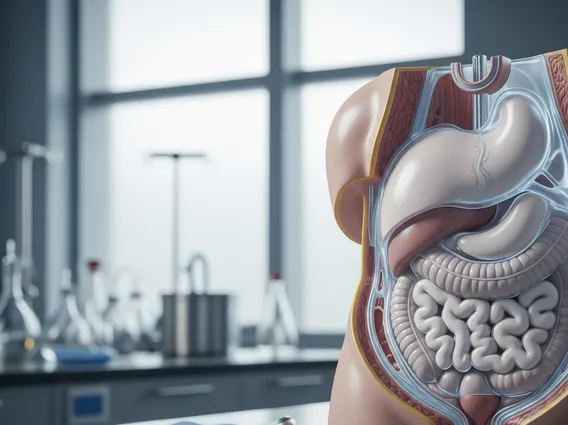
The Peritoneum is a complex, serous membrane that forms the lining of the abdominal cavity and covers the abdominal organs. It is composed of two main layers: the parietal peritoneum, which lines the inner surface of the abdominal wall, and the visceral peritoneum, which enfolds the abdominal organs. These layers are continuous with each other, creating a potential space known as the peritoneal cavity.
The peritoneal cavity definition and purpose is to serve as a lubricated space, allowing organs to move smoothly against each other without friction during digestion and body movements. It contains a small amount of serous fluid, typically 50-100 milliliters, which acts as a lubricant. Beyond lubrication, the peritoneum also plays a crucial role in immune defense, absorbing fluids and waste products, and providing pathways for blood vessels, lymphatic vessels, and nerves to reach the abdominal organs. This multifaceted structure is integral to abdominal health and function.
Peritoneal Anatomy and Physiology
The peritoneal anatomy and physiology are intricate, reflecting its diverse roles. Anatomically, the peritoneum is divided into the greater sac and the lesser sac (omental bursa), which are interconnected. The membrane itself is highly vascularized and innervated, allowing for rapid fluid and solute exchange. Physiologically, the peritoneum acts as a semi-permeable membrane, facilitating the movement of water, electrolytes, and other small molecules. This property is particularly important in medical procedures like peritoneal dialysis, where the peritoneum is used to filter waste products from the blood in cases of kidney failure.
The peritoneal fluid, produced by the peritoneum, is rich in electrolytes, proteins, and immune cells. This fluid not only lubricates but also helps distribute immune cells throughout the abdominal cavity, providing a first line of defense against infections. The extensive surface area of the peritoneum, estimated to be similar to the body’s skin surface area, underscores its significant physiological capacity for absorption and secretion, making it a dynamic and active component of the abdominal system.
Common Peritoneal Diseases Explained
Understanding common peritoneal diseases explained is vital due to the peritoneum’s critical functions. One of the most prevalent conditions is peritonitis, which is inflammation of the peritoneum, often caused by bacterial infection resulting from a ruptured appendix, perforated ulcer, or abdominal trauma. Symptoms typically include severe abdominal pain, tenderness, fever, and nausea.
Another common condition is ascites, characterized by an abnormal accumulation of fluid within the peritoneal cavity. This can result from various underlying issues, such as liver cirrhosis, heart failure, kidney disease, or certain cancers. According to the World Health Organization (WHO), liver cirrhosis is the most common cause of ascites globally, accounting for approximately 80% of cases. Peritoneal cancer, either primary (rare, like primary peritoneal carcinoma) or secondary (metastatic spread from other cancers like ovarian, colorectal, or stomach cancer), also significantly impacts peritoneal health. These conditions highlight the peritoneum’s vulnerability and its central role in overall abdominal well-being.